 EN
What Is a Water Pump Used For?
2026/10/17
Discover what a water pump is used for across homes, farms, and sites. Learn how Flyaway provides durable manufacturing and supply solutions.

2026/09/15
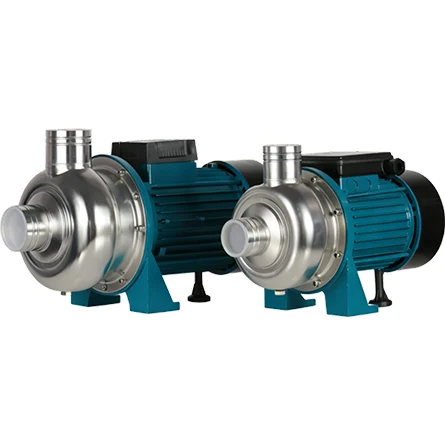
Within the intricate ecosystem of modern industrial engineering, chemical processing plants, municipal water treatment facilities, and large-scale manufacturing operations, the seamless, safe, and highly reliable transfer of fluids serves as the absolute backbone of daily facility productivity. When system operators and plant engineers carefully evaluate long-term infrastructure requirements, material selection invariably emerges as the foundational element determining operational reliability, structural integrity, and long-term resistance to aggressive chemical attack. At Flyaway, our seasoned technical specialists frequently work hand-in-hand with facility engineers to conduct comprehensive audits of complex fluid transmission networks, identifying critical vulnerabilities where traditional metallic components often fail prematurely. Implementing a properly specified industrial centrifugal pump creates an optimal operational framework that guarantees consistent flow rates, precise hydraulic control, and stable pressure performance even under the most rigorous working conditions. By deeply understanding complex fluid dynamics and advanced material science principles, facility managers can effectively mitigate unexpected operational downtime, dramatically reduce recurring maintenance overhead, and safeguard essential capital investments against accelerated mechanical degradation. Furthermore, continuous fluid movement in modern industrial plants demands robust mechanical solutions that actively eliminate pressure drops, prevent hydraulic cavitation, and maintain absolute system stability across fluctuating load demands, changing fluid viscosities, and wide-ranging operational parameters.
Harsh operating environments constantly expose pumping machinery to aggressive chemical solutions, elevated temperatures, and moisture-laden atmospheres that accelerate surface oxidation and structural pitting. To combat these destructive chemical reactions effectively, deploying a high-grade stainless steel centrifugal pump leverages the natural self-repairing chromium oxide passive layer found in austenitic alloys such as grade 304 and 316 stainless steel. When exposed to ambient oxygen, this microscopic barrier film instantly reforms, shielding the underlying substrate from uniform corrosion, stress cracking, and crevice attack. Through extensive field installations managed by Flyaway engineering teams, utilizing a corrosion-resistant pump eliminates frequent unplanned operational halts caused by casing wall thinning or mechanical seal failure. Furthermore, recognized technical guidelines published by the American Society of Mechanical Engineers (ASME) demonstrate that ultra-smooth, non-porous stainless steel surfaces significantly impede chemical residue accumulation and microbial proliferation, ensuring sanitary fluid handling across sensitive industrial sectors. Additionally, proper alloy selection prevents metallic ion leaching into sensitive process streams, preserving end-product quality, safety standards, and strict regulatory compliance.
Industrial processes routinely subject fluid transfer systems to severe mechanical stress, hydraulic water hammer, and cyclic pressure fluctuations that compromise standard metallic equipment. A premium stainless steel centrifugal pump preserves its structural geometry and mechanical integrity even in demanding scenarios where conventional iron or carbon steel alloys would experience rapid structural failure. Field observations recorded by our technical department indicate that high-grade stainless components drastically minimize premature cavitation wear, surface erosion, and localized metal fatigue. Whether deployed for municipal clean-water supply, high-volume chemical tank transfer, or commercial booster stations—such as our robust BK and CTP series incorporating premium ceramic/graphite mechanical seals and heavy-duty motor enclosures—these units deliver dependable operational performance. This exceptional structural resilience ensures that internal fluid pathways remain clean, smooth, and unobstructed, effectively preserving high process fluid purity across pharmaceutical manufacturing, food processing, and wastewater management applications, while lowering vibration levels and acoustic noise.
Balancing initial procurement expenditures with long-term operational cost savings represents a permanent challenge for plant managers and facility directors. Selecting an advanced industrial centrifugal pump engineered from premium corrosion-resistant alloys directly translates into an extended operational lifespan and minimized repair expenses. Unlike inferior pumping systems constructed from less resilient materials that necessitate frequent component overhauls, a well-maintained corrosion-resistant pump minimizes internal fluid friction, thermal limits, and overall electrical energy consumption. In addition, strict adherence to international quality manufacturing standards ensures that these systems integrate seamlessly into both greenfield plant installations and brownfield retrofit projects. Industrial operators who prioritize robust material construction benefit from predictable hydraulic outputs, minimized facility downtime, and a maximized return on capital investment across all fluid management workflows, ultimately supporting sustainable corporate expansion goals, environmental responsibility targets, and reducing total cost of ownership.
Achieving ultimate operational sustainability within heavy industrial environments requires proactive maintenance protocols and intelligent hardware lifecycle management. By integrating a reliable stainless steel centrifugal pump into facility layouts, plant engineers establish a dependable baseline for continuous fluid transfer that withstands the rigors of multi-shift operations. Furthermore, Flyaway provides comprehensive technical documentation, spare parts availability, and expert operational guidance to ensure that every industrial centrifugal pump performs at peak hydraulic efficiency throughout its entire service life. Emphasizing preventative maintenance, proper alignment, and routine seal inspections further safeguards plant assets against unexpected mechanical failures. Ultimately, combining superior material science, precise engineering, and robust pump construction empowers modern industrial facilities to achieve uncompromising fluid handling performance, safety, and long-term economic efficiency across all operational cycles, ensuring complete peace of mind for engineering teams worldwide.

2026/10/17
Discover what a water pump is used for across homes, farms, and sites. Learn how Flyaway provides durable manufacturing and supply solutions.

2026/10/17
Discover why knowing the correct pump size protects budgets and ensures system efficiency. Learn sizing steps and Flyaway pump solutions.

2026/10/17
Discover how to choose the right farm water pump. Learn about head, flow, solar options, and reliable pump solutions by Flyaway.

2026/10/17
Discover how a small self priming water pump can simplify home water transfer, plus key installation and sizing checks.

2026/10/17
Learn how to choose a booster pump by evaluating flow, head, curves, and controls. Discover reliable pump solutions built by Flyaway.

2026/10/17
Learn the core benefits of a self priming well pump for shallow wells. Discover selection tips, operation limits, and how Flyaway delivers quality pumps.
