
 EN
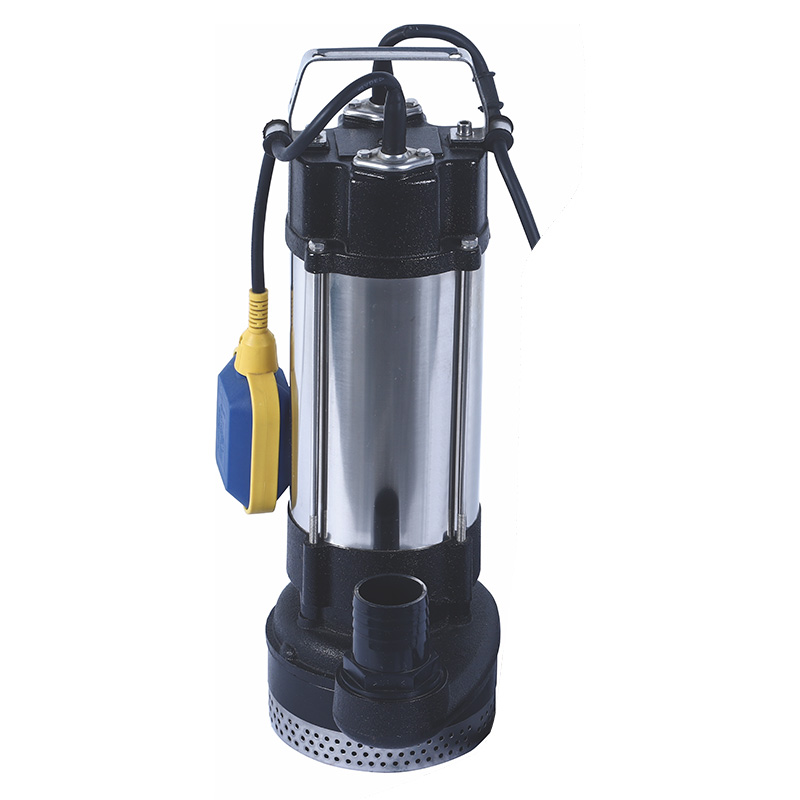
Dealing with water supply challenges on a rural property, off-grid homestead, or large agricultural plot can quickly become a daily stressor. When water sits deep beneath the earth's surface, standard surface equipment simply cannot pull it up reliably due to the physical boundaries of atmospheric pressure and suction limits. That is precisely why property owners, agricultural managers, and civil contractors rely on a dependable deep well pump. Choosing the right deep well pump is never just about looking at the drilled depth of a borehole on paper. Long-term success relies heavily on how far the water table drops during active pumping, how much daily volume your household or irrigation setup requires, and the precise operating pressure your delivery network demands. A properly specified deep well pump pushes water upward from deep below rather than struggling to pull it from the surface. For international distributors, project managers, and professional installers, understanding these hydraulic nuances prevents weak water pressure, rapid mechanical wear, and inefficient energy consumption.
Why Submersible Mechanics Excel at Depth
Most deep-water applications utilize a specialized submersible pump installed completely below the active pumping water level. Because this submersible pump pushes water up through the riser pipe rather than relying on vacuum suction, it completely bypasses the physical suction-lift limitations that cripple surface-mounted units. This makes a deep well pump an absolute necessity for deep boreholes, agricultural operations, remote homesteads, and multi-story building supplies.
While a traditional surface jet pump handles shallow sources easily, its performance drops drastically as lifting requirements increase past twenty-five feet. Keeping the motor and hydraulic stages submerged underwater ensures steady, highly reliable delivery under continuous load. Flyaway provides robust engineering and precision manufacturing options designed to withstand these demanding hydraulic environments, ensuring long-term operational stability and maximum uptime for global users.
Calculating Total Dynamic Head Before Sizing
Drilled depth is only one small piece of the puzzle during well pump selection. The real sizing target is total dynamic head, which combines every bit of resistance the system must overcome to deliver water successfully. Total dynamic head accounts for the active pumping water level, vertical elevation to your elevated storage tank, friction losses through long distribution pipes, elbows, check valves, and filtration equipment.
For instance, a borehole might be two hundred feet deep while its active water level sits at one hundred feet. Conversely, a moderate well may still require a high-head unit if it feeds a distant hilltop tank or a complex pressurized agricultural irrigation grid. When executing proper well pump selection, always evaluate equipment by matching your required flow rate and total dynamic head against the manufacturer performance curves rather than relying solely on motor horsepower ratings.
Determining Flow Demand and Proper System Sizing
A deep well pump must supply enough water for peak usage rather than just trickling water intermittently. A modern residential home needs stable pressure for simultaneous showers, kitchen sinks, and heavy appliance cycles. Meanwhile, an agricultural setup requires high sustained flow to overcome friction losses across massive field distribution networks.
Oversizing your system is never a harmless shortcut. An oversized unit paired with an undersized pressure tank causes rapid, aggressive cycling, high pipe velocities, and premature motor failure. Undersizing results in disappointing low pressure and slow recovery times during peak hours. Finding the exact sweet spot through a careful water pump installation plan guarantees balanced performance and extends equipment lifespan. Flyaway supply chain services ensure that project buyers receive exact component matching for their specific flow requirements.
Evaluating Well Diameter and Water Quality
Before purchasing a deep well pump, you must verify the inner diameter of your well casing against the outer diameter of the motor and pump housing. You must leave adequate clearance for drop pipes, electrical cables, cable guards, and safe lowering procedures during water pump installation. A unit that barely fits creates severe servicing headaches down the road.
Water quality is equally critical to monitor from day one. Sand, suspended grit, mineral scaling, and corrosive chemistry degrade mechanical seals and multi-stage impellers over time. Selecting appropriate intake filtration, corrosion-resistant materials, and proper pump placement protects your investment. Positioning the unit safely above bottom sediment ensures smooth operation without abrasive wear or thermal overload.
Protecting Your Investment With Proper Electrical Design
A deep well pump functions as part of an integrated electrical and hydraulic ecosystem. Before finalizing an order, verify incoming voltage, phase configuration, frequency, cable run lengths, and appropriate motor starting methods. Long electrical cable runs cause voltage drops that strain motor windings, while unstable rural power grids require specialized overload protection and control devices.
Implementing dry-run protection is essential where seasonal water table fluctuations or low well yields threaten equipment safety. No electrical control panel can fix a unit chosen for the wrong duty point, but proper safeguards prevent catastrophic dry-running damage. Flyaway delivers comprehensive pre-sales technical support, helping global distributors and buyers configure complete, protected pumping packages. By combining accurate site data, precise total dynamic head calculations, and expert water pump installation practices, property owners secure reliable, trouble-free water delivery for years to come.






