
 EN
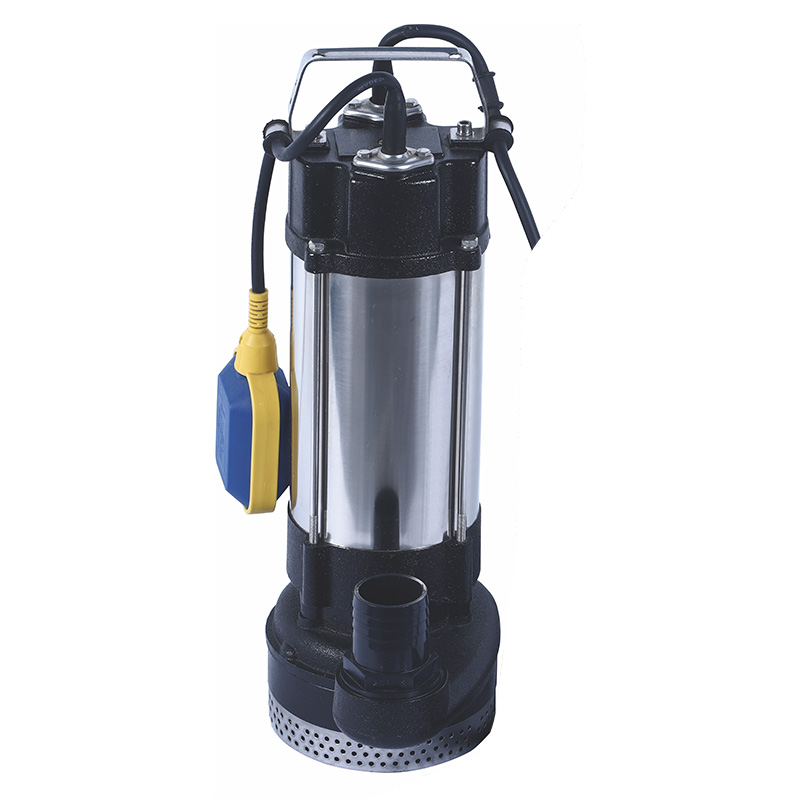
Clean Water Pump Selection Guide for Industrial Use
Industrial procurement decisions require looking far beyond standard catalog ratings. When moving fluid that is free of abrasive solids, choosing an engineered clean water pump provides hydraulic efficiency and operational predictability that generic pumps simply cannot match. For facility managers, utility contractors, and machinery distributors, matching equipment specifically to clear liquid duties cuts power consumption, extends seal life, and eliminates premature maintenance cycles.
Selecting a clean water pump is not about assuming clear liquid operations are easy. Instead, it is about aligning narrow internal tolerances, optimized impeller geometry, and proper suction dynamics with real-world operating conditions. A disciplined water pump selection process ensures steady pipeline pressure and continuous duty cycle reliability.
Understanding Hydraulic Design in Clear Water Applications
Pumps designed specifically for solids-handling feature wide internal clearances and recessed impellers to prevent clogging, but those design choices sacrifice energy efficiency. A dedicated clean water pump utilizes precision-engineered closed impellers and tight internal tolerances to channel kinetic energy directly into fluid velocity and discharge pressure.
Hydraulic Component
Clean Water Pump Design
Solids-Handling Pump Design
Operational Benefit for Clean Systems
Impeller Architecture
Fully closed with smooth, streamlined vanes
Semi-open, vortex, or non-clog designs
Maximizes hydraulic efficiency and discharge pressure
Volute Casing Profile
Narrow fluid paths matching dynamic velocity
Wide passages engineered to pass suspended debris
Reduces internal turbulence and dynamic energy loss
Mechanical Seal Faces
Balanced carbon-ceramic or silicon carbide
Hardened tungsten carbide against abrasion
Provides dependable sealing with minimal shaft drag
Internal Clearances
Tight running tolerances between wear surfaces
Generous clearances to tolerate solid passage
Sustains high volumetric output across standard RPMs
| Hydraulic Component | Clean Water Pump Design | Solids-Handling Pump Design | Operational Benefit for Clean Systems |
|---|---|---|---|
| Impeller Architecture | Fully closed with smooth, streamlined vanes | Semi-open, vortex, or non-clog designs | Maximizes hydraulic efficiency and discharge pressure |
| Volute Casing Profile | Narrow fluid paths matching dynamic velocity | Wide passages engineered to pass suspended debris | Reduces internal turbulence and dynamic energy loss |
| Mechanical Seal Faces | Balanced carbon-ceramic or silicon carbide | Hardened tungsten carbide against abrasion | Provides dependable sealing with minimal shaft drag |
| Internal Clearances | Tight running tolerances between wear surfaces | Generous clearances to tolerate solid passage | Sustains high volumetric output across standard RPMs |
When liquid contains virtually no sand, silt, or fibrous matter, a clean water pump operates at peak hydraulic performance. The specialized design prevents recirculating eddy currents inside the volute, allowing motors to deliver higher flow rates and superior discharge head per kilowatt consumed.
Evaluating System Resistance Beyond Basic Horsepower
Sizing errors often happen when buyers focus exclusively on motor power rather than total system dynamics. A ten-horsepower motor cannot compensate for an undersized discharge line, nor will it correct an unstable suction arrangement. Every dependable water pump selection starts with a precise calculation of Total Dynamic Head.
Total Dynamic Head = Static Elevation Lift + Pipe Friction Resistance + Terminal Delivery Pressure
Total Dynamic Head = Static Elevation Lift + Pipe Friction Resistance + Terminal Delivery Pressure
Friction resistance across valves, fittings, and internal pipe walls increases exponentially as velocity rises. Calculating exact friction losses across every section of the piping network ensures that the selected clean water pump operates near its Best Efficiency Point rather than choking against excessive system friction or running off the curve into motor overload.
Primary Applications for High-Efficiency Water Transfer
Clear water movement spans multiple industrial, agricultural, and commercial operations. Each application presents specific dynamic head requirements and continuous duty considerations:
Operating Sector
Primary Functional Objective
Typical Equipment Configuration
Critical Duty Factor
Commercial Booster Systems
Maintaining stable pressure across multi-story distribution
Multi-stage pressure boosting pump units
Rapid response to shifting fixture demand
Agricultural Micro-Irrigation
Supplying uniform flow to low-pressure emitter lines
Horizontal single-stage clean water pump
Consistent head pressure without pulsations
Process Liquid Circulation
Continuous delivery of treated cooling water
Closed-loop centrifugal industrial water transfer
Low noise and vibration for indoor facilities
Municipal Storage Transfer
Relocating treated reservoir water between holding tanks
High-capacity end-suction clean water pump
Long continuous running hours with minimal energy draw
| Operating Sector | Primary Functional Objective | Typical Equipment Configuration | Critical Duty Factor |
|---|---|---|---|
| Commercial Booster Systems | Maintaining stable pressure across multi-story distribution | Multi-stage pressure boosting pump units | Rapid response to shifting fixture demand |
| Agricultural Micro-Irrigation | Supplying uniform flow to low-pressure emitter lines | Horizontal single-stage clean water pump | Consistent head pressure without pulsations |
| Process Liquid Circulation | Continuous delivery of treated cooling water | Closed-loop centrifugal industrial water transfer | Low noise and vibration for indoor facilities |
| Municipal Storage Transfer | Relocating treated reservoir water between holding tanks | High-capacity end-suction clean water pump | Long continuous running hours with minimal energy draw |
When applied within a modern commercial facility, an integrated pressure boosting pump stabilizes flow during high-demand intervals, preventing pressure drops in critical sanitation and fire protection loops.
Technical Specifications for Engineering Procurement
Before issuing a tender or requesting factory quotations for an industrial water transfer project, recording complete job site parameters prevents costly installation mismatches:
Evaluation Parameter
Engineering Details Required
Selection Consequence
Operating Flow Range
Sustained base demand and peak volumetric requirements
Dictates impeller diameter and pump casing sizing
Net Positive Suction Head
Distance from water table to inlet centerline
Prevents destructive cavitation inside the suction eye
Piping Infrastructure
Total equivalent pipe length, diameter, and valving
Determines overall friction loss calculations
Fluid Temperature Range
Minimum and maximum seasonal liquid temperatures
Guides elastomer selection and vapor pressure margins
Electrical Framework
Line voltage, frequency, phase balance, and enclosure
Matches motor winding specifications to local utility
| Evaluation Parameter | Engineering Details Required | Selection Consequence |
|---|---|---|
| Operating Flow Range | Sustained base demand and peak volumetric requirements | Dictates impeller diameter and pump casing sizing |
| Net Positive Suction Head | Distance from water table to inlet centerline | Prevents destructive cavitation inside the suction eye |
| Piping Infrastructure | Total equivalent pipe length, diameter, and valving | Determines overall friction loss calculations |
| Fluid Temperature Range | Minimum and maximum seasonal liquid temperatures | Guides elastomer selection and vapor pressure margins |
| Electrical Framework | Line voltage, frequency, phase balance, and enclosure | Matches motor winding specifications to local utility |
Documenting these operational criteria allows technical specialists to cross-reference performance curves accurately, ensuring that the selected clean water pump operates safely within continuous duty parameters.
Mitigating Piping Stress and Cavitation Hazards
Even clean fluid introduces severe mechanical hazards when piping design is neglected. Cavitation represents the most frequent cause of premature impeller pitting and mechanical seal failure in high-head installations. When absolute suction pressure drops below liquid vapor pressure, microscopic bubbles form at the impeller eye and collapse violently against metal surfaces.
Preventing cavitation requires keeping suction lines short, direct, and sized at least one pipe diameter larger than the pump suction port. Installing eccentric reducers with the flat side facing up prevents air pockets from forming upstream of the inlet flange. Furthermore, suction strainers must be sized with ample open area to protect against random line debris without creating excessive negative suction pressure.
Reliability and Global Manufacturing Capabilities
Procuring pumping machinery for international distribution requires confidence in manufacturing consistency, metallurgy, and supply chain responsiveness. Field reliability stems directly from automated foundry processes, precision machining, and comprehensive electrical testing.
Operating from specialized production centers in Zhejiang, Flyaway manufactures an extensive portfolio of fluid equipment engineered for global commercial and industrial applications. With automated CNC machining centers, computerized hydraulic testing testbenches, and precision dynamic balancing equipment, Flyaway ensures that every clean water pump leaves the assembly line fully validated for vibration, pressure, and motor efficiency standards.
Global distributors, mechanical contractors, and system integrators rely on the comprehensive OEM and ODM capabilities of Flyaway. From custom motor winding voltages and specialized impeller trims to complete private-label packaging and rapid spare parts fulfillment, Flyaway provides seamless supply chain integration. Partnering with Flyaway delivers dependable fluid management solutions backed by responsive engineering guidance and scalable production capacity tailored for demanding overseas markets.






