
 EN
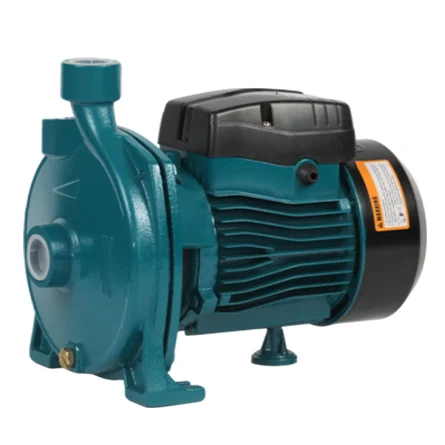
Why Install a Single Shower Booster Pump at Home?
Dealing with a weak, trickling shower can turn your morning routine into a daily frustration. Standing under a disappointing stream makes you want to immediately look for a quick fix online. However, rushing out to buy a shower booster pump without finding the root cause of the problem usually leads to wasted money and lingering low flow. Choosing the right shower booster pump requires careful planning and a clear understanding of your household plumbing setup.
A shower that starts strongly and fades when another tap opens is especially annoying when the rest of the home seems to have adequate water. A shower booster pump is a focused way to improve one underperforming shower without redesigning the whole plumbing system. It is not a cure for every poor-shower complaint, though. The useful question is whether low pressure is truly the limitation, and whether a small dedicated shower booster pump is a better fit than cleaning a restriction, changing a valve, or upgrading the water-heating arrangement.
What a Single Shower Booster Pump Actually Does
From a pump-selection viewpoint, the most reliable result comes from treating the shower as a small water system. The incoming supply, pipe route, elevation, fittings, mixer valve, shower head, and electrical controls all affect what you feel at the outlet. That is why a dedicated shower booster pump should be chosen around real demand rather than the biggest pressure figure on a carton.
-
Localized boosting: A shower booster pump adds pressure to the water feeding one specific shower circuit, helping to overcome low source pressure and predictable friction losses through pipework.
-
Targeted comfort: This solution is most useful in homes with gravity-fed tanks, long pipe runs, upper-floor bathrooms, or a supply that weakens during busy household hours.
-
Streamlined scope: A dedicated shower booster pump limits the scope of work so you can target an uncomfortable shower instead of pressurizing every tap in the house.
Simple maintenance steps like cleaning the shower head, checking accessible valves, and clearing out sediment will often restore performance without needing a shower booster pump at all.
Signs That a Booster Is the Right Answer
Before investing in new hardware, look for specific performance indicators across your property. Recognizing these signs helps confirm whether a shower booster pump will solve your daily frustration:
-
The shower flow remains weak even after the head and filter have been thoroughly cleaned.
-
Pressure drops sharply when another person opens a nearby tap or flushes a toilet.
-
An upstairs or far-end bathroom performs noticeably worse than outlets close to the incoming supply.
-
The shower was added after the original plumbing and now sits at the end of a long branch line.
-
You have confirmed that the water heater, mixing valve, and supply valves can deliver enough water volume for your desired shower flow.
There is an important qualification to keep in mind. If the shower head is scaled up, a stop valve is partly closed, a cartridge is obstructed, or the hot-water source cannot maintain flow, a shower booster pump will not solve the root cause. In some cases, it can even make a restriction noisier. A quick plumbing inspection before purchase is cheaper than using pump power to mask a simple fault.
Why a Dedicated Pump Can Be Better Than a Whole-House Upgrade
Whole-house boosting has its place when several fixtures suffer at once, but it often brings extra pipework, higher costs, and a need to reconsider pressure limits for household appliances. A shower booster pump is frequently the more proportionate choice when just one bathroom is causing trouble. It improves comfort right where it is needed while avoiding unnecessary modifications to kitchen taps, washing machines, and outdoor connections.
The smaller scope also simplifies troubleshooting. If the shower branch has a long run, several elbows, or a high final elevation, those losses are local to that route. Addressing them locally makes practical sense. Still, choosing a dedicated shower booster pump requires matching the unit precisely to your water source and the shower’s actual flow requirements.
Homeowners seeking robust engineering and dependable performance often look to established manufacturers. Equipment engineered by Flyaway provides reliable fluid delivery solutions, offering specialized pressure-control accessories and technical pre-sales support when buyers share their exact operating parameters. Selecting a reliable shower booster pump from Flyaway ensures long-term system stability and optimal performance.
Installation Details and Safety Checks
Installation is where many otherwise sensible choices go wrong. The shower booster pump should be accessible for inspection, mounted on a stable surface, and connected so vibration is not carried into the bathroom structure.
-
Confirm whether your water source and local regulations allow boosting on that specific supply line.
-
Verify that the shower valve, hoses, and fittings are fully rated for the expected working pressure.
-
Check whether boosting only one side of a mixer could create sudden temperature instability.
-
Use appropriate electrical protection and have a qualified installer complete all wiring work.
-
Choose controls that prevent dry running or rapid cycling where those conditions are possible.
For a home with one consistently weak shower and an otherwise sound plumbing system, a shower booster pump can be a practical investment. By understanding your water source, pipe losses, controls, and safety requirements, a correctly selected shower booster pump turns one disappointing shower into a dependable part of your daily routine.






