
 EN
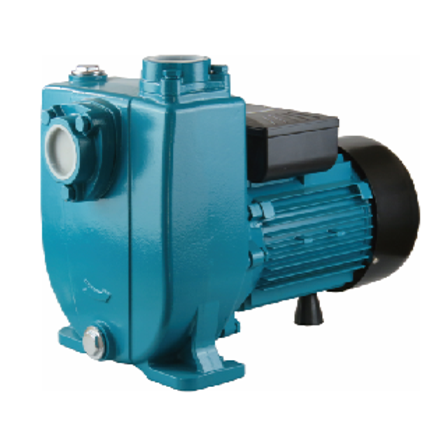
Why Choose a Self Priming Stainless Steel Pump?
Selecting a self priming stainless steel pump is never just a simple choice of raw material or a comparison of basic catalog numbers. For global distributors, industrial contractors, and plant buyers, it represents a practical engineering decision to minimize annoying start-up interruptions while specifying a pump body specifically built to withstand harsh liquid-contact environments. The most valuable question is not whether stainless steel is automatically superior in every scenario, but whether the priming mechanism, wetted materials, and overall operating conditions align perfectly with your exact duty requirements.
From a professional pump selection standpoint, technical specification sheets must always come after a thorough review of site conditions. It is critical to confirm the precise liquid properties, suction arrangements, required flow and head parameters, operating temperatures, solids content, and long-term service expectations before comparing different options. Following this structured sequence helps buyers avoid costly installation mismatches and ensures reliable, long-lasting performance.
What Self Priming Actually Changes in Operation
A conventional centrifugal pump generally requires its casing and suction line to be fully pre-filled with liquid before it can move fluid effectively. In contrast, a self priming stainless steel pump is expertly engineered to manage trapped air in the suction line even after the casing has been initially filled. During the critical start-up phase, the retained liquid circulates inside the casing, aggressively mixes with incoming air, and the internal casing geometry effectively separates and discharges that air until a continuous liquid stream can be pumped.
This unique mechanical distinction matters immensely for industrial applications where a pump may frequently start and stop, the suction line is not permanently flooded, or operators want to eliminate tedious manual priming steps. However, self-priming capability does not eliminate all installation rules. The casing must still retain its initial fluid charge, the suction line must remain completely airtight, and the total lift, pipe resistance, and liquid characteristics must stay within the pump’s published operational limits.
| Operating Feature | Standard Centrifugal Pump | Self Priming Stainless Steel Pump |
| Initial Start-up | Requires manual priming or flooded suction | Manages and evacuates air automatically |
| Suction Lift Capability | Highly limited without external check valves | Excellent for lifting liquids from lower sources |
| Maintenance Profile | Prone to loss of prime if air leaks occur | Simplified recovery after routine operational shutdowns |
| Casing Material | Often cast iron or standard bronze | Robust stainless steel for superior corrosion resistance |
Why Stainless Steel Protects Your Product Market Fit
The stainless steel construction of a self priming stainless steel pump specifically addresses the aggressive liquid-contact environment rather than the mechanical priming mechanism itself. Opting for a stainless steel build is highly recommended when a buyer requires a cleaner surface finish, expects repeated exposure to environmental moisture, or is handling liquids that would quickly degrade ordinary metal construction. However, choosing the correct material grade and seal elastomers remains strictly application-specific, as clean water, aggressive washdown fluids, mildly corrosive media, and chemical process liquids demand vastly different compatibility requirements.
This is why experienced buyers always ask suppliers precisely which internal components are stainless steel, what specific metallurgical grade is proposed, and which exact parts come into direct contact with the liquid. A stainless steel casing alone does not guarantee the suitability of the mechanical seal, internal impeller, fasteners, or internal gaskets. For chemical processing or food-grade service, obtaining a written chemical compatibility review from your supplier before releasing production is an absolute necessity.
Key Operational Benefits Buyers Can Evaluate
Evaluating a self priming stainless steel pump involves looking at several distinct operational advantages that directly benefit downstream customers:
-
Faster restart routines: A reliable self-priming layout significantly simplifies system recovery after routine operational shutdowns, provided the pump retains its required liquid charge.
-
Flexible positioning options: It easily supports challenging suction-lift arrangements where traditional flooded suction installations are entirely impractical, as long as actual pipe lift and line losses are verified.
-
Reduced corrosion risks: Properly specified stainless wetted components offer a far superior fit for wet, sanitary, or aggressive industrial process environments than basic metal alternatives.
-
Streamlined maintenance planning: Accessible priming ports, easy inspection covers, replaceable seals, and convenient drain provisions make ongoing service procedures much easier to define for end-users.
These are specific selection benefits rather than universal performance promises. A poorly sized or mismatched self priming stainless steel pump can still suffer from destructive cavitation, air leaks, dry running, rapid abrasive wear, or unstable hydraulic operation. In real-world engineering, actual operating points always matter more than attractive maximum figures printed on a sales brochure.
A Practical Five Point Selection Checklist
Before finalizing any procurement decision, engineering teams and distributors should run through a structured selection checklist to ensure complete system reliability:
-
Define the liquid: Accurately record fluid chemistry, operating temperature, viscosity, solid particle size, and any mandatory sanitation or cleaning requirements.
-
Map the suction side: Measure static lift, pipe lengths, fittings, valves, and potential air-entry points, remembering that even a minor air leak can easily defeat a self-priming mechanism.
-
Set the true duty point: Specify the required flow rate and total dynamic head under normal working operations rather than relying solely on peak brochure targets.
-
Verify wetted materials: Confirm the specific stainless steel grade, mechanical seal faces, elastomeric O-rings, and the manufacturer’s formal compatibility guidelines.
-
Plan local service support: Check spare parts availability, technical documentation quality, and the ongoing maintenance capability expected within your target destination market.
Partnering with Reliable Manufacturing Experts
Choosing to collaborate with an established industry leader like Flyaway gives global pump distributors, wholesalers, and project contractors access to exceptional manufacturing capabilities, reliable export logistics, and bespoke engineering support. Whether you are sourcing specialized equipment for agricultural irrigation, municipal drainage, or light industrial liquid-transfer projects, partnering with Flyaway ensures that your supply chain remains robust, transparent, and fully tailored to international market demands. Start your technical discussions early by sharing complete duty conditions, and build a high-performance product line you can supply and support with absolute confidence.






