
 EN
Why an Electric Centrifugal Water Pump is Essential for Irrigation Success
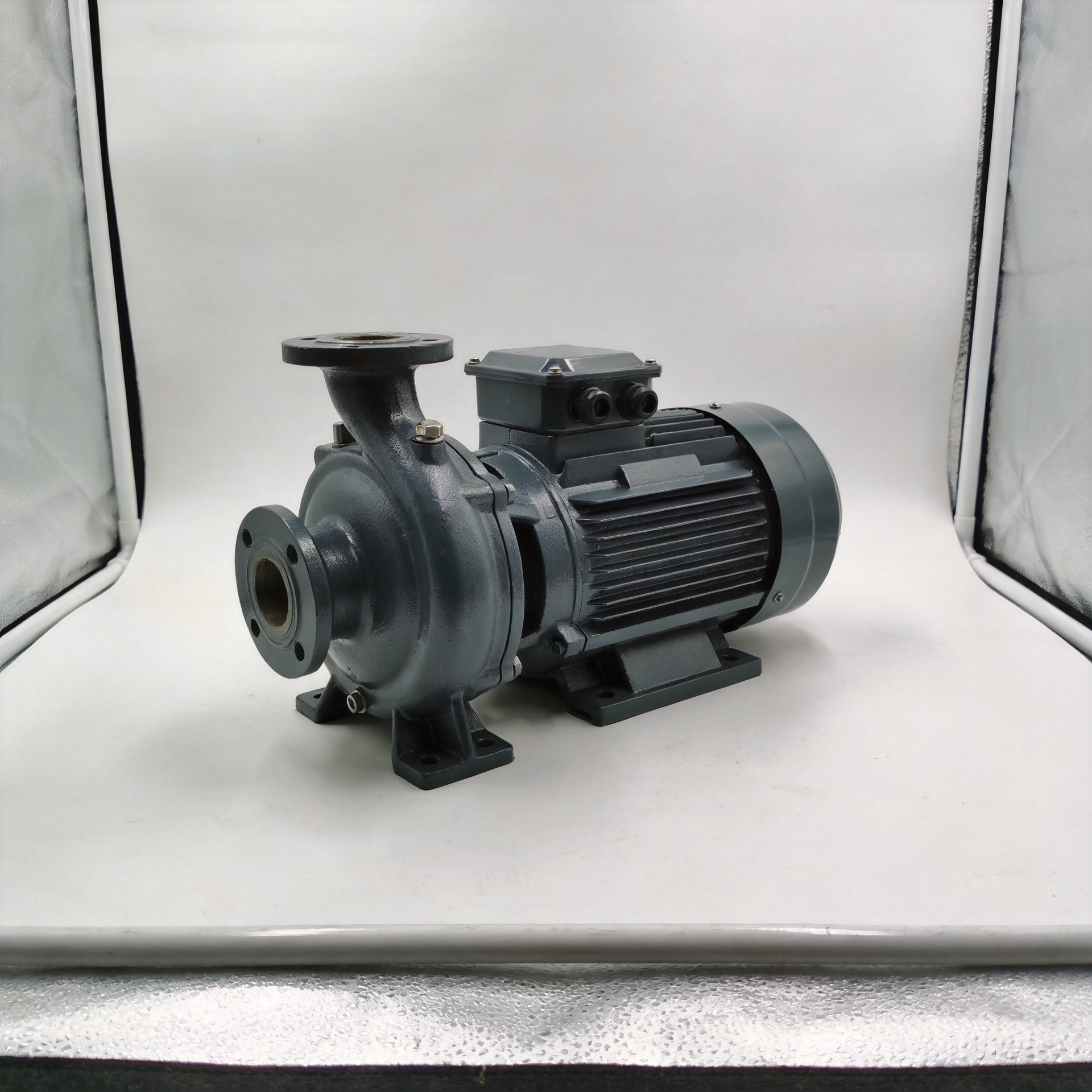
For an irrigation project buyer, a dependable electric centrifugal water pump is rarely just another line item on a spreadsheet. It acts as the vital link that turns a raw water source, a complex pipe network, and available electrical power into reliable delivery right at the point of use. When selected around actual operating conditions rather than a simple headline motor rating, an electric centrifugal water pump supports efficient irrigation, steady water transfer, pressure boosting, and general supply tasks with a practical operating principle and easy serviceability.
The core question for any system designer is not whether centrifugal pumping is familiar, but whether the chosen pump can keep moving the required water volume at the required pressure, day after day, against real suction, pipe, and water-quality conditions. That performance reliability is precisely where an electric centrifugal water pump earns its lasting place in agricultural and commercial systems.
Why this Pump Design is Widely Useful
Modern water-moving equipment relies on an electric motor to spin an internal impeller at high speeds. The rotating impeller adds essential velocity to the water, while the specially shaped pump casing helps convert that velocity into usable pressure. This hydraulic arrangement is exceptionally well suited for clean water and light-duty transfer tasks because it provides continuous flow with relatively straightforward electrical controls.
The Duty Point Matters More than the Motor Label
A reliable and properly matched centrifugal unit always begins with two fundamental questions: exactly how much water must move, and against how much total head? Flow rate defines the volume required over a specific time, while total head includes vertical lift as well as friction losses across pipes, fittings, valves, and filters. A pump might lift water successfully in a short factory demonstration yet disappoint in a long field line if friction losses were overlooked.
Before finalizing an electric centrifugal water pump for your project, list the expected flow rate, pipe diameter, total length, elevation change, source level, delivery pressure, daily operating hours, and local electrical supply. Compare those exact parameters with the manufacturer performance curve. The most useful metric is not the highest flow printed in a catalog or the maximum head at shutoff, but rather the sweet spot where required flow and head meet comfortably on the curve.
Experienced buyers look beyond initial price tags to consider spare parts availability, supplier lead times, and the true cost of a mismatch. If an agricultural pumping station stops for even a single day during a critical crop irrigation window, the lowest initial quote quickly becomes an expensive operational failure.
Three Operating Conditions that Determine Reliability
Suction Conditions and Cavitation Risk
An electric centrifugal water pump demands proper suction conditions to operate without damage. If pressure on the suction side drops too low relative to the liquid vapor pressure, vapor bubbles form and violently collapse inside the casing, causing cavitation. This phenomenon shows up as harsh noise, heavy vibration, reduced output, and accelerated mechanical wear. Keeping suction lines short, minimizing restrictions, and verifying net positive suction head requirements prevent these costly failures.
Water Quality and Material Compatibility
Standard pumps intended for clean supply may fail quickly when deployed in abrasive or mineral-heavy groundwater. Sand content, hardness, and chemical makeup directly influence impeller lifespan and seal maintenance intervals. Asking about actual water chemistry before ordering ensures that wetted materials and internal seals match the site environment, protecting the electric centrifugal water pump from premature breakdown.
Electrical Supply and Site Controls
Motors and local power supplies must align perfectly. Technicians should verify voltage, phase, frequency, cable runs, overload protection, and starting methods before installation. Adding smart accessories like dry run protection and pressure switches further safeguards the electric centrifugal water pump against unexpected site anomalies.
What Regular Maintenance Prevents
Routine care keeps an electric centrifugal water pump operating efficiently for years. Operators should inspect for external leaks, unusual vibration, temperature changes, and gradual performance drops. Mechanical seal wear often points deeper issues such as dry running, abrasive contamination, or hydraulic misalignment. Keeping basic service records helps technical teams distinguish between isolated component faults and broader system-level challenges.
Purchasing Checklist for Wholesale Buyers and Project Teams
-
Define required flow rate and total dynamic head at the exact operating duty point.
-
Confirm water source characteristics, suction lift, pipe layout, and potential water quality issues.
-
Match the electric centrifugal water pump motor specifications to local voltage, phase, and frequency standards.
-
Review full pump performance curves rather than relying solely on maximum motor power claims.
-
Inquire about wetted materials, mechanical seal options, spare parts availability, and factory lead times.
-
Plan effective protection systems against dry running, line blockages, and severe operating environments.
Partnering with Flyaway for Reliable Pumping Solutions
For wholesale buyers and project developers, the true value of an electric centrifugal water pump extends far beyond its initial installation. Consistent documentation, clear engineering communication, and responsive manufacturing support ensure that regional distributors can serve downstream agricultural clients with absolute confidence. Flyaway specializes in advanced OEM and ODM water pump manufacturing for global distributors, ensuring every procurement discussion begins with exact application requirements to deliver durable fluid management solutions worldwide.
An electric centrifugal water pump utilizes an efficient electric motor to spin an internal impeller at high speeds. The rotating impeller adds kinetic velocity to the water, while the volute pump casing expertly converts that velocity head into static pressure. This streamlined mechanical arrangement is exceptionally well-suited to clean-water boosting and light-duty transfer applications because it delivers continuous, pulsation-free flow with relatively straightforward electrical controls.
For global equipment distributors and project purchasers, the appeal of an electric centrifugal water pump is profoundly practical: a standard electrical supply drives the unit without requiring a separate internal combustion engine, routine maintenance checks are straightforward to understand, and a properly matched model delivers consistent performance across a defined duty window. This does not mean a single centrifugal design suits every chemical liquid or every harsh site condition. Rather, it means this engineering design provides an unbeatable starting point whenever the fluid properties, hydraulic duty, and installation environment are thoroughly understood.
The Duty Point Matters More Than the Motor Label
A reliable, properly matched pumping unit begins with two fundamental questions: how much water must move, and against how much total head? Flow rate defines the exact volume required over a specific timeframe, while total head incorporates both vertical elevation lift and friction losses across pipes, fittings, valves, and filtration units. A pump might lift water successfully during a short showroom demonstration yet disappoint completely in a long agricultural field line if pipe friction losses were omitted from the calculation.
-
Required Flow: Determine the exact volume of water needed per hour or minute for the target application.
-
Total Dynamic Head: Calculate elevation changes, pipe length friction, and terminal pressure demands.
-
Electrical Compatibility: Verify local voltage, phase, frequency, and motor protection requirements.
-
Operating Schedule: Factor in daily running hours and seasonal peak irrigation demands.
Before choosing an electric centrifugal water pump, technicians must list expected flow rates, pipe diameters and lengths, elevation changes, water source levels, delivery pressure requirements, daily operating hours, and electrical supply parameters. Comparing those specific operating metrics against the manufacturer’s certified pump curve prevents costly sizing errors.
Three Operating Conditions That Determine Reliability
Even the finest machinery will fail prematurely if subjected to hostile operating conditions. Maximizing the lifespan of an electric centrifugal water pump requires careful management of three distinct environmental factors: suction dynamics, fluid chemistry, and electrical power stability.
| Operating Condition | Potential Failure Risk | Recommended Preventative Action |
| Suction & NPSH | Cavitation, vibration, and impeller pitting | Keep suction lines short and verify NPSH margins |
| Water Quality | Abrasive sand wear and seal degradation | Install upstream screening and check wetted materials |
| Electrical Supply | Voltage drops, overheating, and motor burnout | Use proper thermal overloads and stable wiring |
Suction conditions deserve immediate attention. If pressure at the pump suction inlet drops too low relative to the liquid's vapor pressure, vapor bubbles form and subsequently collapse violently inside the casing, creating destructive cavitation. Keeping suction lines short, minimizing unnecessary pipe elbows, and verifying Net Positive Suction Head (NPSH) requirements eliminates this hazard. Furthermore, analyzing water quality ensures that abrasive sand or corrosive minerals do not destroy internal components prematurely.
For organizations seeking durable pumping hardware, certified performance documentation, and responsive global logistics support, Flyaway delivers advanced electric centrifugal water pump solutions engineered to meet rigorous international standards. By combining meticulous duty-point calculations with high-quality manufacturing, facility operators secure long-term reliability and operational efficiency.






