
 EN
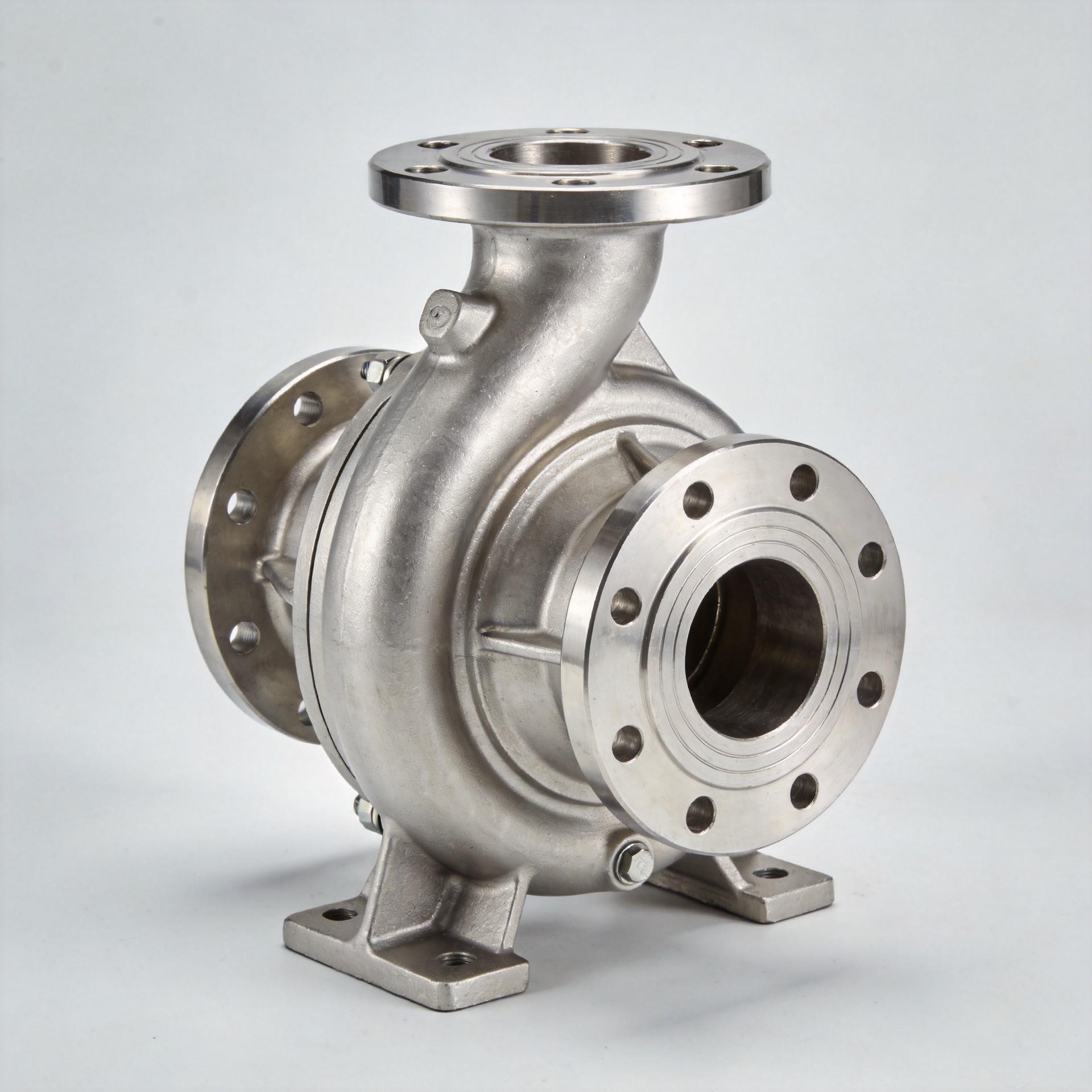
Why a Stainless Steel Centrifugal Pump Excels for Corrosive Fluids
When an industrial process fluid possesses aggressive chemical properties capable of attacking ordinary cast iron, deploying a stainless steel centrifugal pump is often a sensible starting point. However, emphasizing the word starting is crucial because stainless steel is never a universal, foolproof answer to every acid, brine, solvent, or aggressive cleaning solution. A dependable equipment choice stems exclusively from matching the specific alloy grade and every single wetted component to the actual chemical liquid, followed by confirming that the pump will operate reliably near its intended hydraulic duty point.
In practical pump engineering, stainless steel earns its premier reputation because its chromium-rich surface naturally forms a tightly bound, protective passive film. In compatible operating environments, this microscopic film drastically slows general corrosion and helps the pump retain a much cleaner, smoother, and more durable flow path than unprotected ferrous materials. For equipment distributors and project procurement buyers, this corrosion-resistant construction provides a vastly superior foundation for discussing extended service life, maintenance planning, and replacement risk with end users.
Understanding Why Stainless Steel Construction Works
A centrifugal pump moves liquid by converting high impeller rotational velocity into fluid pressure. Throughout this dynamic process, the volute casing, rotating impeller, shaft sleeve, and mechanical seal housing remain in direct contact with the process fluid. Consequently, chemical corrosion can compromise both structural containment and hydraulic efficiency. A correctly specified stainless steel centrifugal pump places corrosion-resistant metal precisely where it matters most: directly along the entire wetted flow path.
Stainless alloys are prized for far more than their clean aesthetic appearance. Across countless water-based utilities, mildly acidic washdowns, alkaline solutions, food-processing lines, and industrial transfer duties, these alloys resist general rust formation far better than conventional cast iron materials. Smooth, cleanable surfaces are also vital where biological growth or chemical deposits pose a contamination risk. Nevertheless, material specification should never stop at a generic request for stainless steel.
Selecting the Correct Alloy Grade
Two distinct alloy grades frequently dominate chemical pump discussions: grade 304 and grade 316 or 316L stainless steel. While both prove appropriate in compatible fluid environments, 316-family alloys contain added molybdenum. This critical alloying element is specifically selected when improved resistance to chloride-related pitting attack, marine atmospheres, and specific chemical environments is required. It remains a vital technical distinction rather than a blanket operational guarantee.
-
Chloride Concentration: High levels of dissolved chlorides accelerate pitting corrosion on vulnerable metal surfaces.
-
Operating Temperature: Elevated thermal conditions increase chemical reactivity and accelerate corrosive attack.
-
Dissolved Oxygen: Oxygen content influences passive film stability across various stainless alloy grades.
-
Stagnant Zones: Crevices and low-flow pockets trap aggressive chemicals, breaking down protective surface films.
Chemical characteristics, oxidizing agents, stagnant fluid zones, elevated temperatures, and dissolved oxygen levels all alter corrosion behavior dramatically. A liquid that remains completely benign at room temperature can transform into an extremely aggressive service environment when heated or concentrated. Consequently, selecting the correct stainless steel centrifugal pump requires careful analysis of the certified fluid data sheet and operating conditions rather than relying solely on a familiar alloy name.
Evaluating the Complete Wetted Assembly
A rigorous pump evaluation must review the entire wetted assembly rather than focusing exclusively on the main pump casing. While the exterior casing might feature high-grade stainless steel, internal components such as the impeller, drive shaft, wear rings, mechanical seal faces, O-rings, gaskets, and fasteners often utilize diverse materials. A single incompatible elastomer or seal component can cause catastrophic fluid leakage long before the stainless casing exhibits any signs of chemical attack.
| Wetted Component | Typical Material Options | Primary Engineering Consideration |
| Casing & Impeller | 304, 316, Duplex Stainless | Resists internal pressure and fluid friction |
| Drive Shaft | 316 Stainless, Alloy 20 | Withstands torsional stress and seal friction |
| Mechanical Seal | Silicon Carbide, Carbon, Viton | Prevents external leakage across chemical faces |
| Elastomers | FKM, EPDM, PTFE Gaskets | Chemical compatibility with process and cleaning fluids |
Technical reviews add immense value by examining these fine details. Rather than asking whether stainless steel is completely corrosion-proof, buyers should inquire which specific components contact the fluid and what empirical evidence supports their chemical compatibility.
Maintaining Hydraulic Stability to Protect Materials
Material compatibility represents only half of overall pumping reliability. A stainless steel centrifugal pump still requires appropriate flow rates, total dynamic head, favorable suction conditions, and accurate motor sizing. Operating far away from the pump’s Best Efficiency Point (BEP) generates excessive mechanical vibration, internal recirculation, localized heat, and severe seal stress. Furthermore, poor suction conditions trigger destructive cavitation, which mechanically pits metal surfaces and accelerates chemical corrosion.
Before finalizing any procurement order, engineers must compare required flow and total dynamic head against the manufacturer’s official performance curve. Confirming that available NPSH exceeds the pump’s requirement with a comfortable safety margin ensures stable operation. For industrial operations seeking durable pumping equipment and comprehensive supply chain support, Flyaway delivers advanced stainless steel centrifugal pump solutions engineered to meet rigorous international standards.






