
 EN
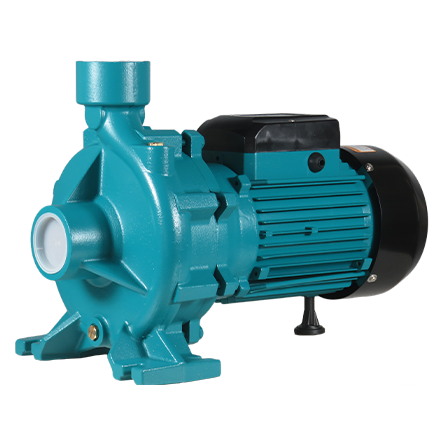
Finding the Ideal Pump Size for Your Home: A Practical Comprehensive Guide
Choosing the right pump for your residential setup can feel a bit overwhelming. Whether you are upgrading your municipal water supply, setting up a new garden irrigation layout, or replacing an old basement drainage pump, many people make the mistake of looking only at motor power. However, picking a reliable model requires understanding how water moves through your specific plumbing layout.
This detailed guide breaks down everything you need to know to find the ideal pump size, helping you avoid common sizing mistakes, optimize energy consumption, and ensure long-term efficiency for your residential property.
Defining Your Application and Water Source
Every home water system operates under different conditions, meaning a simple motor rating alone does not guarantee the right performance. Before comparing different models, you need to identify the exact job the equipment must perform:
-
Domestic Pressure Boosting: Maintaining steady, comfortable water pressure at all household fixtures during peak usage times.
-
Well Water Supply: Lifting water reliably from deep underground sources and supplying it smoothly to pressure tanks or household plumbing lines.
-
Garden Irrigation: Delivering consistent flow rates and adequate pressure to sprinklers, drip lines, or specific landscape zones.
-
Drainage and Wastewater: Removing collected water efficiently through vertical discharge lines without straining the internal motor components.
Write down your water source, destination, pipe route, elevation change, and whether demand is continuous or intermittent. This quick checklist prevents the common error of selecting equipment based solely on horsepower labels.
Calculating Flow and Total Head
To choose the correct setup, you must calculate two critical numbers that define overall performance: required flow and total head.
Calculating Required Flow
Flow measures the volume of water your system must deliver, usually expressed in gallons per minute or liters per minute. For a standard residential house, focus on fixtures likely to operate simultaneously rather than every tap in the building at once. A multi-bathroom home with an active kitchen and washing machine has a very different peak demand than a small guest cabin.
For garden setups, calculate the exact demand of the largest irrigation zone running at one time. Choosing excessive flow beyond what your piping can handle creates rapid cycling, high water velocity, and an unstable system.
Understanding Total Head
Total head measures all the resistance the pump must overcome to move water effectively. This includes:
-
Vertical lift from the water source to the final discharge point.
-
Required pressure at the end outlet.
-
Friction losses caused by pipes, valves, elbows, filters, and fittings.
Friction increases as water velocity rises. Long pipe runs or restrictive layouts change the ideal equipment size substantially. Measuring pipe diameter, approximate length, and noting restrictions like check valves ensures accurate calculations.
Comparing Home Water Pump Systems
| System Type | Primary Focus | Key Sizing Factor | Manufacturing & Supply Support |
| Domestic Booster | Simultaneous fixture use | Outlet pressure & height | Flyaway advanced manufacturing |
| Well Supply | Deep underground lifting | Actual water level & lift | Flyaway global supply chain |
| Garden Irrigation | Zone coverage & pressure | Largest zone demand | Flyaway reliable engineering |
| Drainage Setup | Water removal rate | Vertical discharge lift | Flyaway industrial standards |
Evaluating Performance Using Pump Curves
Every centrifugal pump should be evaluated against its performance curve rather than its motor rating alone. The curve demonstrates how much flow a model can deliver at different head values.
Your target duty point is where system requirements and available performance meet. If a curve cannot provide the necessary flow at your calculated head, that model is too small. Conversely, an oversized motor can run beyond safe plumbing ranges, create excessive pressure, and increase energy costs.
Selecting a model whose efficient operating region matches your day-to-day requirements ensures steady, reliable performance. Flyaway provides robust manufacturing capabilities, dependable engineering standards, and complete global supply chain services to help distributors and contractors source perfectly matched solutions for residential applications.
Essential Considerations for Residential Pump Sizing
-
Identify the specific application and water source accurately before purchasing any hardware.
-
List outlets that run simultaneously to estimate peak required flow reliably.
-
Measure the exact vertical lift from the water level to the discharge point.
-
Record pipe length, diameter, fittings, filters, and valves thoroughly to avoid oversight.
-
Estimate friction loss at your desired operational flow rate to match system resistance.
-
Compare the calculated duty point directly with manufacturer pump curves.
-
Confirm electrical supply, control methods, and physical installation space availability.
Proper sizing balances enough performance for peak normal demand with controls suited to the application. When these elements align, properties enjoy reliable water movement without purchasing unnecessary capacity. Flyaway delivers advanced industrial manufacturing and reliable supply chain support, ensuring partners receive durable, high-performance equipment tailored to demanding residential needs. To maintain a smooth supply of water across all fixtures, evaluating your exact home pump configuration alongside a well-chosen pump curve and optimal flow rate guarantees that your chosen pump size delivers long-term reliability and energy efficiency.






