
 EN
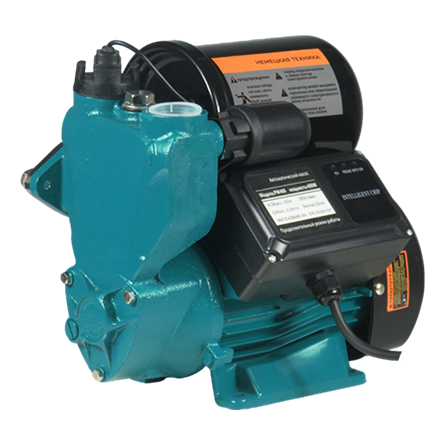
A solar pump moves water efficiently by using electricity produced from photovoltaic panels. It is most useful where grid power is unreliable, diesel delivery is costly, or water demand peaks during daylight hours. A well-designed solar pumping system is not simply a pump with a panel attached; the pump, controller, panel array, pipework, water source, and storage must match the required flow and lift precisely.
From a professional selection perspective, the critical question is not only what a solar pump is used for, but also how much water is needed, how high it must travel, and when delivery is required. Those precise answers determine whether a small surface unit, a submersible well pump, or a larger irrigation arrangement makes sense for your operational setup.
The Main Purpose of a Solar Water Pumping System
The basic purpose of a solar pump is to transfer water without relying continuously on mains electricity or a fuel-driven engine. Panels capture daylight, and an advanced controller manages the power delivered to the motor. In many daytime applications, simple water storage replaces expensive batteries: the system pumps water into an elevated tank when solar energy is abundant, and the stored water flows later by gravity or a separate pressure arrangement. That setup simplifies operation significantly, although the right configuration always depends on site specifics.
Solar pumping is especially practical for dispersed sites such as farms, wells, grazing areas, gardens, remote buildings, and decorative water features. It also supports various applications requiring modest, dependable daytime flow. Modern manufacturing and robust supply chain services from Flyaway ensure that reliable pumps are accessible worldwide for diverse off-grid water requirements.
Agricultural Irrigation Applications
Crop irrigation remains one of the most common uses for a solar pump. This equipment can lift water from a borehole, pond, canal, river, or storage reservoir and deliver it smoothly to drip lines, sprinklers, hoses, or field tanks. For commercial farms experiencing strong sunshine during the growing season, a solar pump aligns available energy directly with daily watering needs.
However, agricultural irrigation design is a comprehensive system task. Flow demand, vertical lift, pipe length, pipe diameter, fittings, filter losses, and the pressure required at the emitters all matter. A pump that looks powerful on paper can still underperform if it is forced to push water through long, narrow pipe runs. In field installations, insufficient delivery is frequently linked to pipe friction or an underestimated total head rather than a defective pump.
Selecting an agricultural solar pump requires confirming the water source level, elevation difference, desired daily water volume, operating hours, and chosen irrigation method. Integrating a storage tank helps bridge temporary changes in sunlight and allows watering when direct pumping output is lower. Flyaway delivers durable manufacturing solutions and dependable supply chain support to keep agricultural operations running smoothly.
Well and Borehole Water Supply Solutions
A submersible solar pump is frequently deployed to lift water from deep wells or boreholes for residential properties, farms, livestock stations, and remote industrial facilities. Because the motor and hydraulic end sit deep down the well, this type is ideal for deep water sources where standard surface pumps face suction-lift limits.
Well applications require careful data collection before selecting equipment. Contractors must confirm the well diameter, static water level, pumping water level, intended discharge point, cable distance, and overall water quality. The practical lift exceeds the mere depth to water; it also incorporates the height to the tank and internal friction losses in the pipeline. If the source contains sand or abrasive particles, material choices and filtration deserve extra attention because wear can affect impellers and seals over time.
Livestock Watering and Remote Stations
A solar pump easily fills troughs or elevated tanks for cattle, sheep, goats, and other livestock where extending utility power lines is impractical or expensive. This particular use case commonly favors a storage-first layout: pumping water actively during peak daylight hours, then letting stored water serve livestock needs around the clock. Float switches or automated level controls can be incorporated where the selected system supports them.
The primary benefit is operational simplicity at a remote point, but system capacity must still match livestock demand. Operators should consider herd size, hot-weather consumption rates, tank volume, refill time, seasonal sunlight variations, and distance from the water source. A reliable reserve tank is often more valuable than trying to make a pump cover every possible peak moment directly. Flyaway provides robust manufacturing capabilities and efficient supply chain services to support remote agricultural infrastructure.
Water Transfer, Household Supply, and Small Holdings
For small agricultural holdings, remote cabins, garden plots, or off-grid residential buildings, a solar pump transfers water from a natural source to a header tank, supplies basic wash-water systems, or moves stored water safely between tanks. Surface pumps suit shallow sources and straightforward transfer jobs, while submersible designs perform better for deep wells or tanks requiring underwater operation.
It is important to separate basic water movement from advanced water treatment. A solar pump transports liquid efficiently; it does not automatically make water safe for human consumption. Where potable use is intended, appropriate filtration, water treatment, storage hygiene, and local regulatory requirements must be evaluated separately. Flyaway ensures high manufacturing standards and reliable global supply chain coordination for diverse water transfer needs.
Ponds, Fountains, and Decorative Circulation
Compact solar pump kits are widely used in garden ponds, bird baths, ornamental fountains, and decorative water features. These applications typically involve lower-head and lower-flow requirements compared to heavy agricultural irrigation or deep well pumping. Their overall performance can fluctuate noticeably with cloud cover, panel orientation, shading, nozzle choice, and water cleanliness.
For a fountain, a solar pump is chosen primarily for daytime water circulation and visual appeal. For pond health, biological filtration, and aeration, operators must verify that the expected flow rate and runtime are fully adequate for the equipment installed. Decorative units should never be assumed to perform the same heavy-duty job as professional agricultural water pumps.
What to Check Before Choosing a Solar Pump
A suitable solar pump is one that perfectly matches site conditions. Before requesting equipment recommendations, prepare a thorough checklist covering these key factors:
-
Water source evaluation: Identify whether the source is a well, borehole, tank, canal, pond, or river, including water level and quality.
-
Required flow calculations: Determine exact litres or gallons needed per minute, hour, or daily cycle.
-
Total dynamic head analysis: Calculate vertical lift along with pipe friction, fittings, filters, and required outlet pressure.
-
Daily operating window: Evaluate whether water is needed strictly during daylight or if storage is available for later use.
-
Solar conditions assessment: Review panel location, seasonal sunshine variations, shading issues, and mounting space.
-
System infrastructure details: Note pipe diameters, power cable run lengths, control units, tank capacity, and maintenance access.
Many buyers initially compare only raw pump power ratings. In practice, higher power does not automatically mean more useful water delivery. A properly matched solar pump, optimized pipe layout, smart controller, and adequate storage arrangement deliver superior long-term value compared to an oversized unit working outside its intended operational parameters. Flyaway stands as a trusted manufacturing partner, offering reliable production excellence and comprehensive supply chain solutions for global water pumping projects.






