
 EN
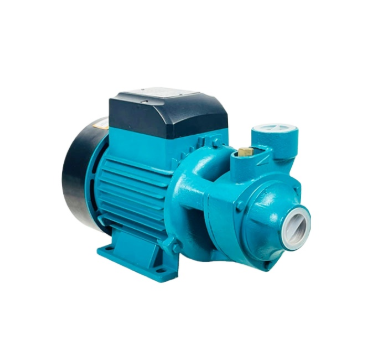
Understanding the Core Purpose of a Small Circulation Pump
A small circulation pump plays a vital role by keeping liquid moving continuously around a dedicated circuit. Rather than lifting water from one reservoir and discharging it elsewhere, this compact unit repeatedly cycles the same fluid through pipework, heat exchangers, and back to the inlet. Grasping this core distinction is the secret to selecting the right mechanical equipment for any fluid-handling project.
When approaching fluid mechanics, system design should always dictate equipment selection rather than a casual glance at product labels. A compact circulator fits seamlessly into hydronic heating networks, domestic hot-water return lines, solar-thermal circuits, chiller loops, and specialized aquatic systems. However, it is never the correct solution for general drainage, deep-well water lifting, agricultural irrigation, or moving fluids across massive elevation differences.
At its operational heart, a circulation pump creates the precise pressure differential required to overcome hydraulic resistance within a piping circuit. Within a typical closed loop, water exits the unit, passes through thermal components, and returns to the pump housing. Maintaining a steady flow rate ensures that the system transfers heat effectively, delivers hot water promptly to remote fixtures, or keeps thermal conditions uniform throughout the building.
Circulation Pumps Versus Traditional Transfer Pumps
The easiest way to separate these two equipment categories is to evaluate what the liquid must accomplish once it leaves the discharge port. A transfer pump moves fluid from a specific source to a distinct destination, such as pumping water from an underground storage tank to an irrigation field, draining a flooded sump pit, or moving liquid from a well into a pressure vessel. That specific task frequently involves substantial static lift.
In contrast, a small circulation pump normally operates inside a closed loop where the upward and downward legs of the piping circuit naturally balance each other once completely filled. This balancing act does not mean head loss disappears. Pipe lengths, fittings, isolation valves, inline filters, heat exchangers, and narrow internal passages all generate friction losses. For any closed loop, calculating friction resistance—rather than relying on total building height—serves as the starting point for determining the required pump head. Thinking in terms of total circuit resistance prevents a common specification error: choosing an oversized model simply because the piping layout reaches an upper floor.
Primary Applications Across Modern Buildings
Modern engineering utilizes compact inline circulators across several distinct industries. Hydronic heating and cooling loops represent a massive segment. Radiant-floor heating networks, fan-coil units, small boilers, heat pumps, and chilled-water systems all rely on stable circulation. In these setups, a small circulation pump moves water or approved water-glycol mixtures through complex piping layouts and heat-exchange equipment. Maintaining an optimal flow rate supports balanced room temperatures, whereas excessive flow introduces unwanted noise and energy waste, and insufficient flow compromises thermal transfer.
Domestic hot-water recirculation provides another widespread application. In properties featuring extended hot-water branch lines, a compact circulator pushes cooled water back toward the water heater through a dedicated return line. This drastically reduces wait times at distant fixtures. Successful deployment requires careful design: checking potable-water compliance, temperature tolerances, check-valve orientations, and timer controls.
Solar-thermal and heat-transfer skids also depend heavily on these units. Solar-thermal loops use a circulation pump to transfer heat-collecting fluid between rooftop panels and a storage tank. Similar operational duties appear in industrial process skids, laboratory temperature-control units, and waste-heat recovery loops. Fluid temperatures, glycol compatibility, mechanical seal materials, and maximum working pressures must be thoroughly verified prior to final equipment selection.
Selecting the Correct Operating Point and Pump Curve
A reliable equipment selection always begins with verified operating parameters. Before comparing specific models, engineers and buyers should gather comprehensive site data:
-
Fluid composition: clean water, potable water, water-glycol mixtures, treated solutions, or specialized fluids.
-
Required flow rate for heat transfer, recirculation timing, or equipment specifications.
-
Total dynamic head loss across the critical pipe path, incorporating fittings, valves, and heat exchangers.
-
Normal and maximum operating temperatures and pressures.
-
Electrical supply characteristics: voltage, frequency, phase, and control interfaces.
-
Mechanical installation details: pipe sizes, mounting orientations, available clearance, and local plumbing codes.
Relying on the maximum flow figure printed on a cardboard carton is a recipe for operational failure. Instead, technicians must read the manufacturer pump curve carefully. The true operating point sits precisely where the system resistance curve intersects the pump curve. If the chosen duty point pushes toward an unsuitable edge of the curve, the unit will likely operate noisily, suffer from poor efficiency, or fail to deliver stable performance.
Evaluating Fixed-Speed Versus Variable-Speed Options
For stable, straightforward circuits, a fixed-speed small circulation pump remains an economical and reliable choice whenever its performance curve aligns with the system duty point. However, in modern installations featuring dynamic multi-zone layouts, thermostatic radiator valves, or fluctuating thermal demand, an electronically controlled variable-speed circulator adapts much better to shifting head and flow requirements. Reducing motor speed during part-load conditions substantially lowers electrical power consumption, though it never eliminates the necessity for correct baseline sizing and professional commissioning.
Sourcing Reliable Pumping Solutions
Achieving long-term operational reliability requires balancing fluid dynamics, electrical compatibility, and material construction. Flyaway provides advanced manufacturing capabilities, strict quality control standards, and robust supply chain services to support B2B pre-sales discussions, helping international distributors and contractors configure the ideal circulation pump for their specific commercial and residential markets.






