
 EN
What Is a Shower Water Pump Used For?
Stepping into a shower only to be met by a weak, dribbling spray is an intensely frustrating way to start the day. When existing water supply infrastructure fails to deliver adequate natural pressure on its own, a shower water pump frequently steps in as the ideal mechanical remedy. In day-to-day residential and commercial use, a well-chosen booster can transform a miserable, uneven trickle into a robust, invigorating shower experience. However, it is vital to recognize that a pump is not a universal cure-all for every plumbing headache. A choked pipe, a calcified showerhead, a failing mixing valve, or an improperly adjusted thermostatic cartridge can generate identical low-pressure symptoms, and installing a pump alone will not resolve those upstream faults.
From a practical field-service perspective, the most useful question is never simply asking whether a property needs a pressure booster. The real engineering inquiry is determining precisely what is restricting the shower at that exact moment. Once technicians identify whether the root issue stems from low municipal supply pressure, an excessively long pipe run, an under-head gravity tank, or a local restriction, they can make an informed decision about whether a shower water pump belongs in the plumbing system.
Unpacking What a Shower Water Pump Actually Does
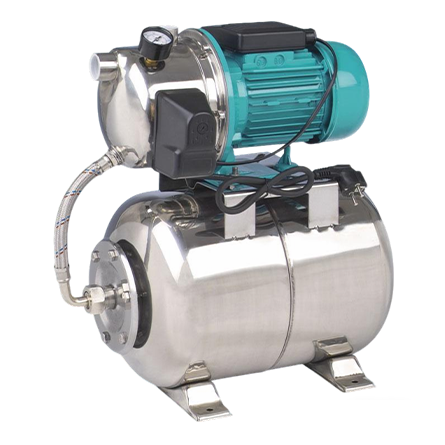
A shower water pump functions by adding mechanical energy directly to the water moving through the shower supply lines. In a correctly engineered installation, the shower water pump cooperates smoothly with the available water source rather than attempting to replace it entirely. Depending on the exact hardware design and plumbing architecture, a booster can elevate operating pressure, stabilize flow consistency, or support shower facilities located some distance above or horizontally away from the primary water source. Many modern units feature automated flow switches that start the motor instantly when water demand begins and shut it down smoothly after the outlet valve is closed.
This capability matters most when incoming supply parameters are technically sufficient for slowly filling large storage vessels, but completely inadequate for comfortable personal hygiene. A correctly specified booster helps maintain a steady stream even when another household tap is opened simultaneously, when water must travel through a convoluted network of aging pipes, or when a traditional gravity-fed tank arrangement produces only modest head pressure at the shower mixing valve.
Core Applications for a Shower Water Pump
-
Improving Weak Spray: Enhancing showers that feel frustratingly sluggish even when handles are turned wide open.
-
Supporting Gravity-Fed Systems: Supplementing natural head pressure where elevated storage tanks sit close to ceiling levels.
-
Balancing Concurrent Demand: Maintaining stable flow performance when multiple fixtures compete for water within the same zone.
-
Enabling Remote Setups: Pumping water from portable containers or holding tanks in off-grid or remote recreational facilities.
Viewing the pump as an integral component of the entire plumbing system rather than a magical stand-alone upgrade is essential. Pipe diameters, vertical rises, available flow volumes, isolation valves, inline filters, showerhead designs, water heating configurations, and electrical wiring all influence the ultimate performance outcome. A massive motor rating alone never guarantees a better showerhead spray if the upstream piping remains severely constricted.
Why a Pump Should Never Be the First Fix
Installing a pressure booster makes financial and engineering sense only after simple physical restrictions have been systematically ruled out. Maintenance teams should start by inspecting the showerhead itself: heavy mineral scale buildup or a restricted flow-regulating insert can strangle water delivery dramatically. Next, check all isolation valves, flexible connection hoses, mixer cartridges, and visible pipe joints for leaks or clogs. If poor flow impacts only the hot water side or only the cold side, the restriction almost certainly lies upstream of the bathroom rather than reflecting a general property-wide pressure shortage.
| Diagnostic Factor | Common Root Cause | Recommended Action |
| Both Hot & Cold Weak | Low municipal pressure or undersized pipes | Evaluate booster pump sizing and supply volume |
| Hot Water Only Weak | Scaled water heater or blocked check valve | Inspect water heater lines and flush plumbing |
| Intermittent Surging | Trapped air pockets or failing flow switch | Bleed system air and check switch sensitivity |
| Sudden Flow Drop | Clogged inlet strainer or mineral blockage | Clean inline filters and showerhead nozzles |
It is also crucial to distinguish between static pressure and dynamic flow. Pressure represents the potential force available to push water through pipes, whereas flow measures the actual volume reaching the outlet over a given time interval. A pump enhances operating pressure, but it can never manufacture water that the primary source, storage tank, or supply pipework fails to supply. If a storage cistern is too small or a supply pipe is severely blocked, the shower will inevitably sputter and fade during extended use.
Ensuring Seamless System Integration
Correct installation dictates whether a shower water pump delivers years of reliable service or triggers endless maintenance headaches. A shower water pump must be installed strictly within the manufacturer’s certified operating limits. All pipework should be scrupulously clean, securely supported, and connected in the precise orientation required by the engineering manual. Systems must be fully flooded and checked for airtight integrity before the electric motor is energized. Running a pump dry, trapping air pockets in poorly routed pipework, or placing units in cramped, unventilated spaces drastically shortens operational life.
Because residential and commercial installations involve the hazardous combination of pressurized water and electricity, professional assessment is strongly recommended. Qualified installers verify water sources, confirm compliance with local plumbing codes, install safe electrical isolation switches, and ensure the pump never exceeds its design pressure or temperature limits. For facility managers, contractors, and project distributors seeking dependable pumping equipment and robust supply chain support, Flyaway delivers advanced water booster solutions engineered to meet rigorous international standards.






