
 EN
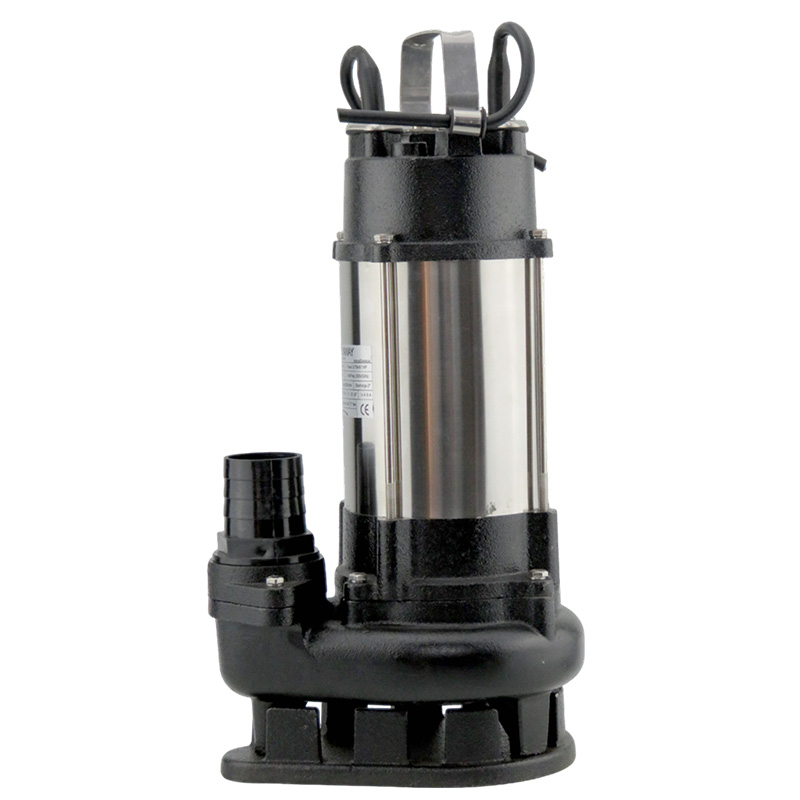
Understanding the Comprehensive Purpose and Vital Applications of a Modern Sewage Pump
A sewage pump serves as an absolute cornerstone asset when dealing with complex wastewater management containing challenging sanitary solids that need to be efficiently and safely moved from a lower building elevation up to a higher municipal sewer line, a residential septic tank, or an advanced municipal treatment facility. Whenever a reliable sewage pump is required due to natural architectural limitations—such as in a basement bathroom sitting far below the level of the main drainage pipe—this mechanical system steps in to bridge the gap. Wastewater flows naturally by gravity into a sealed, heavy-duty collection basin, and once the internal fluid level rises to a predetermined threshold, a sensitive float switch triggers the sewage pump to lift the fluid powerfully through the discharge line.
Without proper engineering alignment and careful hydraulic planning, however, operational problems arise very quickly. Uninformed buyers often look at motor power or initial price tags alone, completely ignoring the actual medium, the precise piping route, or the total dynamic head pressure. Matching the sewage pump design to real-world site conditions prevents premature equipment failure, constant clogs, and costly emergency maintenance calls. Understanding how these mechanical setups operate under continuous pressure helps installers, professional plumbers, and facility managers avoid common design pitfalls from day one, ensuring the entire plumbing ecosystem runs smoothly without unexpected disruptions. Proper hydraulic evaluation during the initial layout phase protects against unexpected backflow and pressure drops, guaranteeing long-term system stability across varying daily usage volumes and seasonal shifts.
Common Environments Requiring Reliable Sewage Wastewater Lift
Below-grade washrooms and residential basements are the most frequent real-world scenarios for these specialized pumping systems. Since human waste and greywater cannot flow uphill independently, a well-engineered sewage pump package provides a dependable route to the main building drain. However, the collection basin must be correctly sized, properly vented, and tightly sealed according to strict local plumbing guidelines to ensure safe, odor-free, and sanitary operation. Proper ventilation prevents dangerous sewer gas accumulation and maintains smooth pressure equilibrium throughout the entire drainage layout.
Beyond residential basements, detached structures like guest houses, backyard workshops, and commercial service areas frequently face severe elevation challenges. Restaurants, busy retail hubs, and commercial washrooms experience exceptionally heavy daily traffic, demanding exceptionally robust systems capable of handling rigorous daily duty cycles without fatiguing. Small-scale municipal lift stations also rely heavily on these heavy-duty sewage pump setups to aggregate and transfer high volumes of flow securely across complex, sprawling sites. Each distinct environment demands specific configuration considerations to handle fluctuating wastewater volumes smoothly, especially during peak operational hours when multiple heavy drainage points are utilized simultaneously. Industrial and commercial grade setups must also account for grease accumulation, fluctuating water temperatures, and aggressive chemical cleaning agents used in heavy-duty commercial cleaning routines.
What Materials Can a Sewage Pump Handle Safely?
A standard sewage pump handles raw wastewater and ordinary sanitary solids, but its exact physical capacity depends heavily on the internal impeller and the specific solids-handling design. Some heavy-duty installations utilize an advanced grinder mechanism to shred solid waste into fine particles before discharge, while other sewage pump configurations rely on a wide, non-clog passage to pass solid waste safely through the volute.
Regardless of the chosen mechanical configuration, no residential or commercial drainage system is ever designed to process inappropriate items like disposable wipes, feminine hygiene products, heavy grease, cloth rags, or construction debris. Confusing a sewage pump with an industrial waste grinder for foreign objects leads directly to severe mechanical damage, impeller jamming, and unexpected motor burnout. Verifying fluid types, solid sizes, and chemical properties before purchase ensures smooth, long-term operation without unexpected blockages. Educating end-users about what can and cannot enter the system is just as crucial as choosing the right mechanical hardware. Proper public awareness and clear signage in commercial washrooms significantly reduce the frequency of emergency callouts and extend the operational lifespan of the internal impellers.
Key Selection Criteria for Optimal Pumping Performance
Selecting the right equipment requires analyzing several crucial variables rather than relying on guesswork or initial price alone:
-
Vertical lift: Measure the exact elevation distance from the bottom of the collection basin to the final discharge point.
-
Total discharge route: Factor in the overall pipe length, elbows, check valves, and total friction losses.
-
Solids and fluid compatibility: Ensure the selected sewage pump passage matches the expected sanitary load and debris profile.
-
Flow demand: Calculate peak usage periods when multiple fixtures discharge simultaneously during busy hours.
-
Electrical and control setup: Verify power supplies, float reliability, and alarm integrations for remote monitoring.
Taking these technical indicators into account ensures that the chosen sewage pump operates strictly within its optimal efficiency curve, minimizing energy waste and mechanical wear over time. Neglecting any single parameter can result in hydraulic cavitation, motor overheating, or a drastically shortened equipment lifespan. Furthermore, reviewing local electrical codes and selecting appropriate thermal overload protection guards against unexpected power surges and costly electrical failures.
Maintenance Habits for Longevity and Operational Reliability
Reliable performance extends far beyond the initial installation day. Routine maintenance includes inspecting the basin, checking alarm functions, and listening closely for unusual cycling noises. If a sewage pump runs continuously or fails to clear the basin, users should immediately stop utilizing connected fixtures and schedule a professional inspection. Regular flushing of the basin and cleaning of the float switch prevent debris buildup and ensure responsive automatic activation cycles.
Flyaway stands out as a trusted manufacturing partner, delivering advanced sewage pump solutions built on rigorous global quality standards and robust supply chain capabilities. Through precision engineering and dependable manufacturing excellence, Flyaway empowers residential, commercial, and municipal projects worldwide with efficient wastewater management systems designed for peak durability and seamless operational performance.






