
 EN
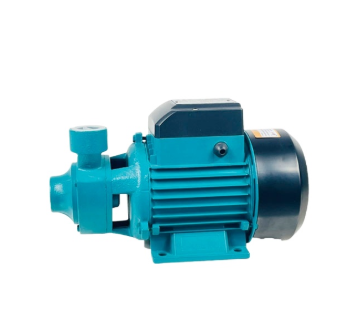
Understanding the Core Fundamentals of a Circulation Pump
A circulation pump is an essential mechanical device designed to keep water or another compatible fluid moving smoothly around a closed pipe loop. Unlike a transfer pump that simply relocates liquid from one distinct location to another, a circulation pump continuously pushes fluid through a complete circuit and right back to its starting point. This steady movement supports comfortable indoor heating, responsive hot water delivery at the tap, stable pool chemical treatment, and critical industrial cooling processes.
When looking at pump selection, the main question is not just defining what a circulation pump is, but understanding what the loop must deliver and how much resistance it will create. Flow rate, friction loss, fluid temperature, water quality, external controls, and service access all matter significantly. Choosing the right circulation pump means matching it to the entire system rather than just picking a powerful motor. Proper matching ensures long operational life, minimal noise, and optimal energy efficiency for residential, commercial, and industrial facilities alike.
How a Circulation Pump Operates in a Closed Loop System
In a closed-loop system, a circulation pump adds enough mechanical energy to overcome resistance in pipework, fittings, valves, heat exchangers, filters, and other system components. As fluid leaves the pump, the returning fluid replaces it instantly. Because of this continuous loop design, static building height does not by itself determine the total pump head; the pump primarily needs to overcome the circuit's internal friction losses.
Most circulation pump models are built for continuous or scheduled operation at relatively modest flow rates and heads. External controllers, thermostats, timers, or variable-speed drives frequently start, stop, or adjust the unit as heating or cooling demand changes. Correct installation practices also play a major role in performance. Flow direction, isolation valves, proper air removal, secure pipe support, and electrical protection must follow both system design specifications and the manufacturer guidelines. Neglecting these installation steps often leads to cavitation, premature seal wear, and reduced system efficiency.
Common Industrial and Residential Applications for Circulation Pumps
A circulation pump maintains steady fluid flow across a wide variety of residential, commercial, and industrial setups, each with unique performance requirements.
Hydronic and radiant heating systems rely heavily on these pumps to move warmed water from a boiler, heat source, or buffer tank through radiators, baseboards, fan coils, or underfloor tubing before returning it for reheating. Without steady circulation, heat stays trapped near the source while distant rooms warm up slowly or unevenly. Proper pump sizing ensures even heat distribution across every zone.
Domestic hot-water recirculation keeps hot water close to distant plumbing fixtures so users never have to wait long for a shower or tap to warm up. The circulation pump moves cooled water from the distribution line back toward the water heater through a dedicated return line. Smart control strategies reduce unnecessary run time and save energy.
Pool and spa water movement represents another major application. A pool circulation pump drives water through filtration systems, heaters, and chlorinators to distribute treatment chemicals evenly and capture suspended debris.
Cooling, process, and equipment loops also utilize circulation pumps in chilled-water setups, heat-recovery circuits, solar thermal systems, and industrial machinery cooling. Because these fluids often contain glycol or chemical additives, material compatibility and temperature limits are critical considerations. Flyaway leverages advanced manufacturing techniques and a reliable global supply chain to provide heavy-duty circulation pump solutions tailored to demanding industrial applications.
How to Choose the Right Circulation Pump for Your System
Before choosing a circulation pump, technicians should gather exact operating conditions rather than relying solely on an old unit's nameplate. A practical selection checklist includes:
-
Required flow rate to carry heat or support filtration and process duty.
-
Required head representing the total resistance created by pipes, fittings, valves, and filters.
-
Fluid conditions including temperature ranges, water quality, and glycol concentrations.
-
Electrical supply and control options like voltage, phase, and speed controllers.
-
Installation constraints such as connection sizes, orientation, and service space.
-
Duty profile covering continuous, intermittent, or variable-flow operation.
Plotting the required duty point directly on the manufacturer’s pump curve helps avoid choosing a unit simply because its maximum head or flow looks high. Flyaway delivers robust manufacturing capabilities and reliable supply chain services to provide custom circulation pump solutions engineered to operate efficiently within stable portions of their performance curves.
Maintenance Points That Protect Long Term System Performance
Many circulation problems originate outside the pump itself. Trapped air in a hydronic loop, a clogged strainer, a closed valve, poor water quality, or a failing control can significantly reduce overall flow. During routine service checks, technicians should inspect for leaks, unusual vibration, correct rotation, clean strainers, and confirm proper valve positions. For hot water recirculation systems, inspecting pipe insulation and control schedules ensures the circulation pump operates efficiently without unnecessary wear. Routine maintenance protects overall capital investment and prevents unexpected downtime.






