
 EN
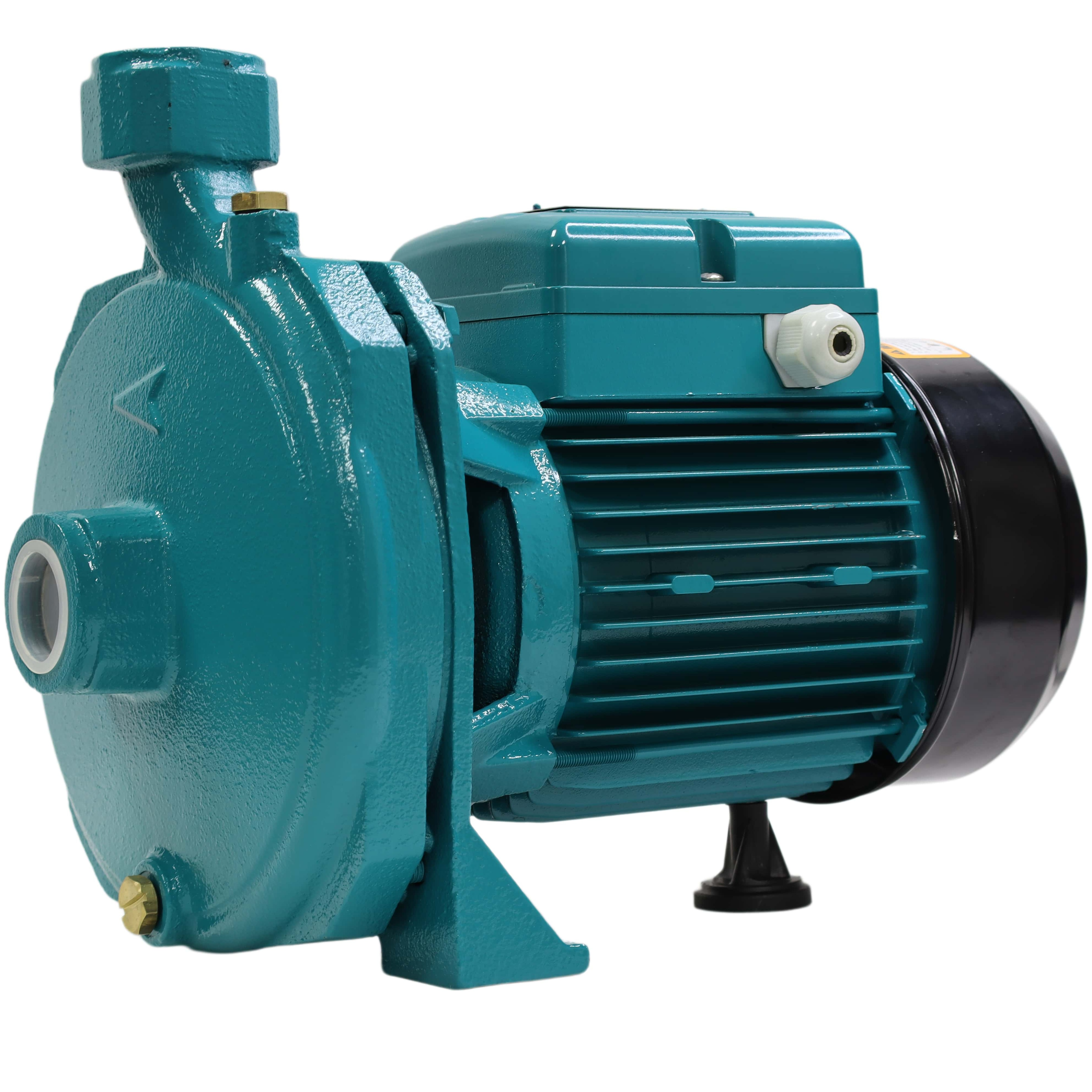
Choosing a reliable water pump features a careful analysis that goes far beyond simply picking the unit with the largest motor or the lowest price tag. When distributors and contractors evaluate water pump features, success depends on whether the equipment can deliver exact flow requirements under specific total head pressures, tolerate local liquid conditions, and remain serviceable long after installation. A device that looks impressive on a digital catalogue page can quickly become a poor choice if pipe runs, water quality, power supplies, or demanding duty cycles are ignored. For wholesale buyers, a dependable industrial pump selection also needs to be straightforward to specify, support, and resell, minimizing downstream warranty claims and expensive downtime. Knowing the core engineering specifications and key water pump features is the first step toward a successful installation, ensuring that every selected machine operates efficiently. Furthermore, a proper industrial pump selection guarantees long-term durability across various operating environments.
Matching Real System Flow and Head Performance
The foundation of a good pumping unit is performance that matches actual operational systems rather than headline maximum specifications. Flow describes the total volume of liquid moved over a specific timeframe, while total head combines vertical lift with internal pressure and friction losses across pipes, valves, filters, and outlets. Both factors must be evaluated together.
Reviewing the official performance curve helps identify the precise duty point before placing any order. A useful engineering specification always shows expected flow and head at identical points along the curve, alongside exact motor power ratings and operating limits. Bigger is not automatically better because an oversized unit wastes energy, creates unstable operations, and places unnecessary stress on surrounding pipework. Conversely, a unit that is too small fails to deliver adequate pressure at distant outlets. In real-world installations, many perceived equipment failures actually stem from system design flaws such as long small-diameter pipes, multiple sharp elbows, or clogged intake filters. Proper industrial pump selection keeps the entire hydraulic network in mind and prevents costly performance mismatches, making each installed machine highly reliable. Assessing correct water pump features during this stage ensures optimal hydraulic performance.
Energy Efficiency and Sound Hydraulic Design
Operational efficiency remains a critical quality feature because it directly impacts utility costs every single day the equipment runs. A well-matched motor and precision hydraulic section allow the system to operate smoothly near its intended sweet spot rather than drawing excessive electrical power to overcome poor design flaws.
Buyers should look beyond vague marketing claims like energy-saving and request suppliers to confirm rated voltages, frequencies, phase configurations, motor protection arrangements, and insulation classes. For continuous daily operations, comparing expected running conditions matters far more than relying on single peak efficiency figures. Power quality is equally crucial; in regions prone to voltage fluctuations, starting conditions and thermal motor protection require careful attention. Investing in a proven high efficiency pump ensures lower daily energy consumption, proving that a quality system pays for itself over time through substantial utility savings. Choosing a dedicated high efficiency pump is vital for minimizing long-term electricity expenses, while verifying advanced water pump features guarantees optimal power utilization.
Material Selection for Specific Water Chemistry
A high-quality machine utilizes robust materials suited precisely for the pumped liquid and surrounding environment. Clean water transfer, abrasive canal runoff, mineral-rich groundwater, and mildly corrosive industrial streams place vastly different demands on casings, impellers, mechanical seals, and drive shafts.
More expensive materials do not automatically guarantee suitability for every scenario. Seal and impeller options must align with water chemistry, suspended particle content, temperature ranges, and expected maintenance intervals. Suspended solids accelerate mechanical wear, whereas high mineral concentrations elevate corrosion risks. Confirming wetted parts and operational limits prevents unexpected leakage, premature output loss, or emergency servicing during peak operational seasons. Every durable water pump must feature corrosion-resistant alloys and premium mechanical seals matched to its exact operating environment, ensuring the selected equipment withstands harsh liquids. Utilizing a certified durable water pump prevents frequent component failures, and examining specific water pump features helps match materials to corrosive water chemistry.
Stable Construction, Sealing, and Bearings
Physical durability defines a truly dependable pumping solution. Buyers should examine casting quality, housing thickness, shaft alignment precision, bearing arrangements, mechanical seal grades, and connection points, as these elements directly dictate vibration levels, noise emissions, and overall service life.
During initial setup and commissioning, abnormal vibrations, rubbing noises, or persistent priming difficulties should never be ignored, as they often point to pipe strain, air ingress, or structural misalignment. Dependable manufacturers provide comprehensive installation guidance and clear diagnostic pathways for troubleshooting. Furthermore, standardized wear components across related models offer immense value to distributors by simplifying spare-parts inventory management for every product line. Careful evaluation of an industrial pump selection process often highlights the importance of robust bearing arrangements and mechanical sealing components.
Installation Ease, Protection, and Maintenance
Practical installation and straightforward maintenance routines are vital attributes of superior pumping hardware. Checking inlet and outlet dimensions, mounting footprints, rotation requirements for three-phase models, and priming necessities ensures smooth field integration. Accessories such as check valves, pressure controllers, float switches, and strainers often dictate system longevity.
Simple access to routine service points prevents minor issues from escalating into lengthy operational shutdowns. Maintenance schedules should incorporate regular inspections of pipe seals, electrical terminals, vibration dampeners, and filtration strainers. In sandy water applications, scheduled preventative checks prove far more reliable than waiting for performance to degrade naturally, protecting your capital investment. Understanding the core water pump features related to maintenance accessibility makes field servicing significantly easier.
Verifiable Quality Control and Documentation
Reliable equipment is backed by concrete technical evidence rather than flashy marketing slogans. Prior to bulk purchasing, procurement teams should request comprehensive model specification sheets, certified performance curves, dimensional drawings, motor data sheets, wetted parts material lists, and factory inspection records. For international markets, verifying regulatory compliance and certification requirements prevents customs delays.
Clear English instruction manuals, professional labeling, secure transport packaging, and defined inspection processes empower local dealers to support end users confidently. Flyaway provides expert technical pre-sales support based on specific operating conditions, helping international buyers transform raw site data into robust, defensible selections. Partnering with a reliable supplier guarantees that every chosen durable water pump meets strict international quality benchmarks.
Supplier Support and Total Ownership Value
True product value extends far beyond the physical hardware, relying heavily on manufacturer support and supply chain reliability. A dependable manufacturing partner offers expert selection assistance, clear technical documentation, and structured spare-parts planning for repeat orders of any industrial equipment.
Evaluating total ownership value requires looking beyond initial purchase prices to factor in long-term energy consumption, installation compatibility, maintenance overhead, and transport packaging quality. By conducting a structured review of site conditions, water chemistry, and supplier credentials, commercial buyers ensure long-term operational success. Leveraging advanced manufacturing capabilities and a robust Flyaway pump supply chain, global partners receive durable, high-performance solutions tailored to demanding markets. Utilizing an established Flyaway pump supply network ensures timely delivery and ongoing technical assistance for every high efficiency pump model deployed worldwide.






