
 EN
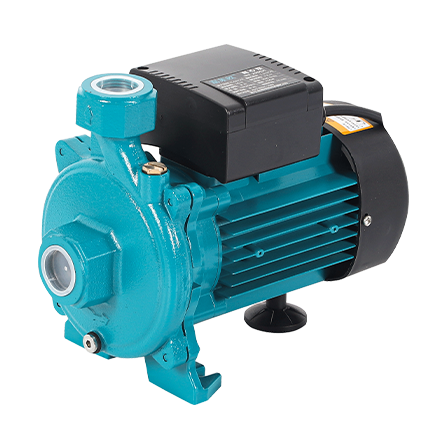
Essential Features of a High-Performance Booster Pump System
When an existing water supply or fluid distribution layout fails to deliver enough pressure at the final point of use, a booster pump steps in to solve the problem. It does not magically create more water out of thin air. Instead, a quality water booster pump adds kinetic energy to the fluid so the network can easily overcome elevation changes, pipe friction, restrictive filters, valves, and changing consumer demand. For any commercial or residential buyer, the crucial question is not whether a brochure lists dozens of specifications, but whether its hydraulic, electrical, and protective features match your actual operating conditions.
From an engineering perspective, the first thing to evaluate is the true duty point: required flow rate, discharge pressure, incoming inlet conditions, and total piping resistance. A high-tech feature list means nothing if your chosen booster pump system operates far away from its optimal efficiency window. The sections below break down the essential characteristics that matter most in a complete plumbing installation.
Pressure-Raising Capability and a Usable Pump Curve
The fundamental purpose of any booster pump is to elevate fluid pressure. Manufacturers typically express this capacity in terms of head, pressure, or both. Head is especially helpful because it measures the actual energy added to the fluid, while pressure reflects what operators see on a pressure gauge. Neither figure should ever be analyzed in isolation.
A well-engineered unit features a performance curve illustrating how total head changes as flow increases. In reality, most facilities require a specific combination of flow and pressure rather than the maximum limits of either metric. A machine might achieve a high shutoff pressure while moving very little water, or it might pump a massive volume at a pressure too low for distant fixtures. Always match your duty point against the manufacturer’s curve, accounting for friction losses and vertical elevation.
Flow Capacity That Fits Changing Facility Demand
Flow capacity represents the second core pillar of equipment selection. A commercial water booster pump might serve multi-story building fixtures, irrigation zones, heavy washdown stations, or industrial transfer lines. Each application features a unique consumption profile. A small, steady flow may suit a compact single-stage unit, whereas facilities with multiple outlets opening simultaneously often require staged pumps or a multi-unit setup.
Always evaluate what happens during peak operating hours. If your booster pump system is sized purely for average consumption, users will experience frustrating pressure drops whenever several taps run at once. Conversely, an oversized unit in a small system will cycle on and off too frequently, leading to premature motor wear, noise, and pressure spikes.
Automatic Pressure Control and Pressure Tanks
Modern booster pump configurations rely heavily on automated controls to maintain stable performance. Integrating a pressure switch, electronic controller, or pressure tank allows the equipment to start, stop, or modulate seamlessly as demand fluctuates. Basic on-board controls work wonderfully in predictable environments, provided the pressure differential settings prevent rapid short-cycling.
A properly sized pressure tank stores a small volume of pressurized liquid, smoothing out routine demand shifts and protecting the motor from excessive wear. When evaluating a complete water booster pump package, always confirm whether check valves, pressure sensors, and expansion tanks are included in the assembly.
Variable-Speed Control for Steadier System Pressure
A variable-frequency drive (VFD) is an invaluable feature for operations experiencing wild demand swings throughout the day. Rather than spinning at full speed continuously, a variable-speed booster pump system adjusts motor RPM dynamically based on real-time pressure feedback. This capability maintains a rock-solid discharge setpoint while drastically cutting energy consumption during low-demand periods.
While a VFD adds installation complexity, it provides unmatched comfort and operational stability. Discuss your target pressure ranges, incoming power supply, and control panel requirements with your supplier before committing to an inverter-driven package.
Protective Features That Prevent Avoidable Equipment Damage
Safety and protection functions are just as vital as raw hydraulic performance. A reliable booster pump should include safeguards such as dry-run protection, thermal overload relays, phase-loss detection, low-inlet-pressure alarms, and high-pressure cutoffs.
Dry-run protection is particularly critical in applications where source water supplies can be interrupted. Running dry destroys mechanical seals and impellers within minutes. For multi-pump booster configurations, advanced controllers also alternate lead pumps automatically, ensuring even runtime distribution across all connected units.
Materials, Sealing Options, and Long-Term Serviceability
The wetted materials and mechanical seal configurations dictate whether a water booster pump can withstand your specific fluid and environment. Clean drinking water, chemically treated water, warm liquids, and outdoor weather exposure all demand specific material grades like stainless steel or bronze.
Service accessibility is another practical consideration that reduces long-term maintenance costs. Easily replaceable seals, accessible inline strainers, clear drain points, and accessible spare parts minimize facility downtime.
Industry Support and Wholesale Sourcing
When sourcing reliable fluid handling hardware for residential, agricultural, or commercial installations, partnering with experienced manufacturers ensures project success. Flyaway provides comprehensive technical support, custom engineering consultations, and reliable supply chain services to help global buyers match exact flow rates, pressure curves, and site operating conditions with the ideal booster pump system, guaranteeing long-term operational efficiency and durability.






