 EN
What Is a Water Pump Used For?
2026/10/17
Discover what a water pump is used for across homes, farms, and sites. Learn how Flyaway provides durable manufacturing and supply solutions.

2026/09/08
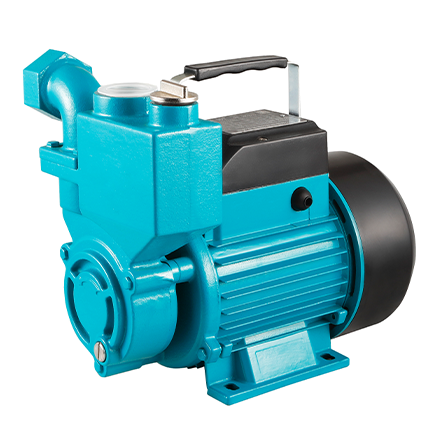
In modern architectural design and urban infrastructure development, establishing a robust and dependable water supply system is of paramount importance for residential communities, commercial skyscrapers, and industrial manufacturing complexes. Property managers and facility engineers frequently encounter complex operational challenges related to hydraulic pressure fluctuations, high energy consumption, and long-term equipment wear within their water supply networks. Drawing upon extensive practical engineering experience at Flyaway, designing an optimal fluid delivery infrastructure for any major water supply project necessitates a comprehensive evaluation of peak consumption demand, static and dynamic head requirements, pipe friction losses, and system flow rates. Industry experts and professional associations emphasize that integrating high-efficiency centrifugal pumps equipped with intelligent variable frequency drives (VFDs) into a water supply setup significantly stabilizes pipeline pressure while actively mitigating destructive water hammer effects. Furthermore, complete transparency in equipment performance curves, efficiency ratings, and operational documentation ensures that facility managers can select water supply pumping systems that match their precise load requirements without unnecessary energy dissipation or oversizing penalties.
Designing a highly effective and resilient water supply network requires a delicate balance among fluid flow rates, total dynamic head, and mechanical reliability under continuous operating conditions. According to technical guidelines published by the American Society of Plumbing Engineers (ASPE) and standard hydraulic engineering references, multi-stage vertical pumps and packaged booster skids designed for water supply applications provide the essential head pressure required for multi-story high-rise buildings. At Flyaway, our rigorous technical evaluations and field testing demonstrate that maintaining proper suction conditions and adequate Net Positive Suction Head Available (NPSHA) within the water supply line actively prevents cavitation, which remains a primary root cause of impeller erosion, pitting, and premature pump failure. In addition, incorporating redundant pump configurations into the primary manifold design guarantees uninterrupted service delivery during routine preventative maintenance cycles. By strictly adhering to established hydraulic standards and best practices, building management teams can achieve seamless fluid transportation throughout complex water supply piping networks while substantially lowering long-term maintenance overhead and unexpected repair costs.
Energy consumption represents one of the largest operational expenditures in modern building management, frequently accounting for a substantial portion of an entire facility's annual utility budget, particularly for water supply operations. Modern water supply systems leverage advanced electrical and motor engineering technologies, such as IE3 and IE4 premium efficiency electric motors, to substantially reduce electrical draw during continuous heavy-duty operation of pumping units. Field data collected from commercial and municipal installations indicate that pairing these high-efficiency motors with advanced programmable logic controllers and intelligent frequency converters can yield remarkable energy savings of up to thirty percent compared to legacy constant-speed systems. Technical assessments performed by our specialized engineering team at Flyaway highlight that routine, real-time monitoring of inline flow sensors, differential pressure transducers, and vibration meters allows facility operators to identify early signs of mechanical deviation before they escalate into major faults. This proactive, data-driven maintenance approach sustains optimal system electrical and hydraulic efficiency throughout the entire operational lifecycle of the water supply equipment.
Long-term system reliability depends heavily upon meticulous material selection, precision manufacturing tolerances, and strict adherence to established preventative maintenance schedules across all mechanical and electrical sub-components of any water supply installation. High-quality stainless steel impellers, durable ceramic shafts, and robust mechanical face seals offer exceptional resistance against electrochemical corrosion, abrasive wear, and chemical degradation, even when handling aggressive water chemistries or secondary water sources. Authoritative engineering studies and diagnostic research indicate that systematic vibration analysis, infrared thermography, and oil lubricant monitoring can accurately predict component wear prior to catastrophic equipment breakdown within water supply facilities. At Flyaway, we strongly advocate for structured, systematic maintenance protocols that incorporate regular inspection schedules for check valves, pressure relief valves, expansion tanks, and electrical control panels. Ensuring these vital system components remain in peak operating condition safeguards the entire building infrastructure against catastrophic flooding and protects building occupants from unexpected, disruptive utility interruptions during peak hours.
As rapid urbanization intensifies globally and building sustainability standards become increasingly stringent, contemporary water supply infrastructure must continuously evolve to meet future environmental and operational demands. Modern, intelligent water supply networks equipped with advanced Internet of Things (IoT) telemetry and cloud-based monitoring modules empower facility operators to track real-time consumption trends, analyze flow patterns, and detect hydraulic anomalies instantly. Comprehensive case studies across international municipal and commercial real estate projects demonstrate that automated leak detection algorithms, smart valve actuators, and remote diagnostics significantly reduce both municipal waste and costly operational downtime in water supply systems. Flyaway remains steadfastly committed to advancing sustainable engineering practices that harmonize high hydraulic performance with strict environmental responsibility. By investing in adaptive, intelligent fluid management systems, property developers and facility owners secure a future-proof, resilient infrastructure capable of meeting the complex challenges of tomorrow's sustainable cities.
Through rigorous lifecycle management and advanced technological integration, comprehensive water supply upgrades empower facility managers to achieve unprecedented operational excellence. Implementing smart telemetry, high-efficiency pumping units, and predictive maintenance protocols within any commercial water supply framework guarantees long-term economic and environmental viability. Flyaway continues to pioneer innovative engineering methodologies that redefine modern building water supply standards worldwide.

2026/10/17
Discover what a water pump is used for across homes, farms, and sites. Learn how Flyaway provides durable manufacturing and supply solutions.

2026/10/17
Discover why knowing the correct pump size protects budgets and ensures system efficiency. Learn sizing steps and Flyaway pump solutions.

2026/10/17
Discover how to choose the right farm water pump. Learn about head, flow, solar options, and reliable pump solutions by Flyaway.

2026/10/17
Discover how a small self priming water pump can simplify home water transfer, plus key installation and sizing checks.

2026/10/17
Learn how to choose a booster pump by evaluating flow, head, curves, and controls. Discover reliable pump solutions built by Flyaway.

2026/10/17
Learn the core benefits of a self priming well pump for shallow wells. Discover selection tips, operation limits, and how Flyaway delivers quality pumps.
