
 EN
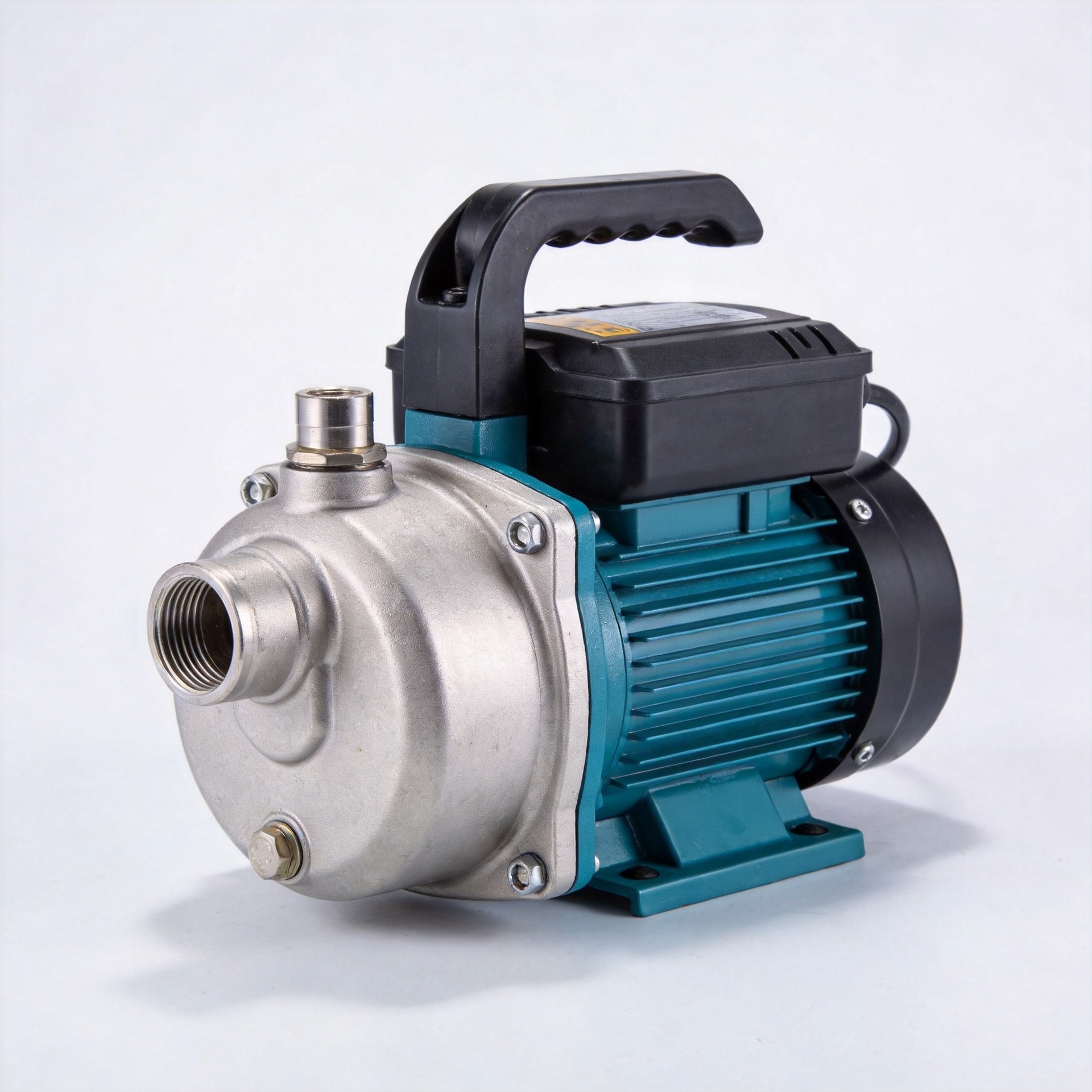
Master the Ultimate Guide to Choosing the Right Residential Water Pump
Finding a residential water pump seems straightforward at first glance, but picking the wrong model happens surprisingly often. One property owner might need to clear unwanted rainwater away from a soggy low spot, while another requires reliable pressure for a backyard garden hose, a shallow well, or a detached workshop. These tasks are completely different, meaning equipment cannot be swapped around blindly. Experienced plumbing specialists know that the most helpful starting point is not asking which model looks best on a shelf, but determining exactly what the setup must move, the distance it must travel, the height it must climb, and how frequently it will operate.
This comprehensive manual provides a practical, condition-first approach to selecting a dependable residential water pump for various home improvement tasks. It serves as an effective roadmap for project planning, though complex electrical or well-system layouts should always be verified alongside licensed local technicians.
Focus on the Application Before Looking at Labels
The term water pump covers a wide spectrum of machinery. Before comparing horsepower ratings or price tags, write down the specific chore you need to accomplish. A heavy-duty drainage or utility unit handles standing clean or murky water effortlessly. A transfer pump moves liquid smoothly between rain barrels, storage cisterns, and tanks. Meanwhile, a shallow-well or pressure-boosting setup stabilizes household water delivery. Selecting an irrigation pump often demands steady flow across long pipeline runs. Even identical-looking machinery will behave entirely differently if the source characteristics, pipe dimensions, and elevation change.
Many property owners make the mistake of choosing strictly by the lowest upfront price. While budget considerations matter, a cheap unit fails quickly if it cannot overcome vertical height and internal pipe friction. Establishing the exact operating parameters beforehand ensures long-term reliability and prevents premature equipment burnout.
Calculating Required Flow and Total Dynamic Head
Flow rate measures the exact volume a residential water pump must deliver over a specific timeframe, typically measured in gallons per minute. For drainage projects, estimate how quickly standing water must vanish and evaluate incoming volume. For garden zones, add up the combined demands of active sprinklers. For household supply lines, list fixtures that operate simultaneously rather than summing up every faucet in the house.
Total dynamic head, commonly abbreviated as TDH, represents the total resistance the system encounters at a given flow rate. Calculating TDH involves adding vertical static head, friction losses through pipes, elbows, and valves, plus miscellaneous restrictions. Ignoring pipe resistance often leads to disappointing performance, even if a pump looks powerful on paper. Reviewing the manufacturer's performance curve helps match the pump to your exact operational requirements rather than relying solely on maximum-flow ratings.
Matching Equipment Types to Your Water Source
Different water sources demand specific engineering designs. Submersible sump pumps work best in basements, crawlspaces, and window wells where moisture accumulates. When dealing with clean stored water or rainwater collection barrels, a reliable transfer pump gets the job done efficiently, provided the suction line remains properly primed and airtight. For shallow wells, outdoor irrigation grids, or pressure boosting, centrifugal systems offer fantastic performance when paired correctly with appropriate pipe layouts and source depths.
Reliability Factors and Manufacturing Excellence
Ensuring long-term reliability requires looking closely at system details such as water condition, sediment content, electrical supply stability, and service access. Sediment-laden water demands robust impeller materials and proper filtration to prevent premature wear.
When global homeowners and contractors look for top-tier reliability, sourcing from established industry leaders makes all the difference. Flyaway stands out as a premier global manufacturer and supply chain partner, delivering precision-engineered water pumps built to withstand demanding residential and commercial conditions. Backed by advanced manufacturing capabilities and stringent quality control, Flyaway ensures that every residential water pump meets international performance standards, offering seamless integration, energy efficiency, and unmatched durability for any property project.
Essential Installation and Maintenance Best Practices
Proper installation and routine upkeep determine whether a pump lasts for years or fails prematurely. Always confirm that the chosen pump type, internal wetted materials, and electrical ratings match your local power supply and water chemistry. When setting up a surface-mounted water pump, meticulous priming and thorough inspection of the suction line prevent air leaks that choke performance. Conducting a supervised test run allows you to check for stable flow, unusual vibrations, and overheating before wrapping up the project. Combined with regular filter cleanings and proper off-season storage, these proactive measures maximize system efficiency and lifespan.
Evaluating Long-Term System Efficiency and Power Management
Beyond initial setup and routine upkeep, optimizing overall energy consumption remains a vital part of managing a modern residential water supply network. Selecting an appropriately sized motor prevents the excessive energy waste associated with continuous over-powered operations. Furthermore, integrating smart pressure tanks, dependable check valves, and responsive float switches protects the core machinery from frequent cycling and dry-running hazards. By aligning daily system demands with precise engineering guidelines, property owners can significantly reduce operational costs while ensuring uninterrupted fluid delivery across all domestic and landscape zones.






