 EN
What Is a Water Pump Used For?
2026/10/17
Discover what a water pump is used for across homes, farms, and sites. Learn how Flyaway provides durable manufacturing and supply solutions.

2026/09/18
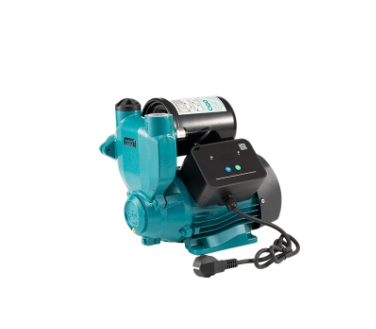
Every contemporary household relies heavily on a stable and resilient plumbing infrastructure to maintain daily comfort, hygiene, and overall operational efficiency. When evaluating fluid distribution challenges in residential properties, property owners frequently experience frustrating pressure drops during peak morning or evening hours when municipal demand is highest. Based on our practical field engineering experience at Flyaway, inconsistent municipal supply pressure is a primary culprit behind weak streams, sputtering faucets, and erratic water delivery across multi-level layouts. To resolve these chronic issues permanently, installing a specialized domestic water pumps system transforms your daily routine by providing an unwavering, steady hydraulic boost. According to established industry engineering guidelines, surface-mounted equipment like the popular GS100 series ranging from 0.1 kW to 0.75 kW features robust gray cast iron pump bodies and precision brass impellers designed to operate continuously under normal environmental conditions. By understanding these foundational components and technical specifications, homeowners achieve highly reliable performance without experiencing premature mechanical wear or sudden system failures. Furthermore, proper initial planning ensures that fluid dynamics match household demand curves perfectly, maximizing the overall lifespan of the plumbing network and ensuring optimal water pump efficiency throughout every season.
To ensure long-term operational stability and efficiency, evaluating the structural build and technical parameters of your fluid transfer hardware is an absolute critical necessity. Technical datasheets for compact surface models indicate that maximum operating heads reach up to 50 meters, while maximum flow rates span seamlessly from 1.5 to 3.0 cubic meters per hour, accommodating diverse residential layouts. Furthermore, each unit incorporates an IP44 protection rating and Class B insulation to safeguard internal motor windings against overheating, moisture ingress, and environmental debris. Drawing directly from our rigorous technical evaluations at Flyaway, a built-in thermal protector automatically responds to abnormal temperature conditions, instantly interrupting power during voltage spikes or electrical grid fluctuations. Selecting appropriate motor power—whether single-phase or three-phase matching local municipal infrastructure—prevents catastrophic equipment failure and ensures energy-efficient daily performance across demanding operational cycles. When technicians review these parameters, they can fine-tune system output to prevent cavitation, reduce operational noise, and minimize energy consumption over years of continuous service while selecting the ideal water pump model for their specific property architecture.
The practical utility of a versatile water pump extends far beyond simple indoor plumbing fixtures, touching nearly every vital aspect of outdoor property management and rural living. In residential settings, surface models are routinely specified for clean-water supply, automatic pressure boosting, water-tower feeding, and shallow-source lifting applications. Furthermore, property owners frequently rely on these durable units for garden irrigation, lawn sprinkling systems, and small-scale transfer setups, where maintaining consistent discharge pressure is vital for vegetation health and landscape vitality. Automatic variants equipped with electronic pressure switches offer seamless demand-based operation, starting and stopping instantly whenever a faucet, shower, or irrigation valve is opened or closed. Technical guidelines emphasize that suction pipe sealing, source water level, proper pipe diameter, and total elevation changes directly affect actual operating results, making proper initial installation essential for optimal fluid movement. By integrating these systems into daily property routines, homeowners eliminate manual bucket hauling and enjoy automated, reliable water delivery across all domestic zones, proving that every water pump installation adds immense practical value to modern households.
Beyond indoor fixtures and garden sprinklers, managing outdoor water accumulation and landscape hydration requires robust, dependable mechanical support. When dealing with heavy rainfall runoff, flooded basements, or seasonal landscape drainage ditches, self-priming configurations are indispensable because they can automatically evacuate air from the suction line without requiring tedious manual priming. At Flyaway, our specialized engineering team regularly encounters residential drainage projects where traditional centrifugal pumps fail due to trapped air pockets, whereas advanced self-priming units maintain steady hydraulic performance by naturally separating air and water in an internal volute chamber. This sophisticated capability allows property owners to manage stormwater collection pits, drainage trenches, and shallow wells efficiently, ensuring that outdoor spaces remain fully protected against sudden flooding events while supporting routine agricultural or domestic watering needs. Additionally, utilizing corrosion-resistant internal components prevents sediment accumulation and chemical degradation, keeping drainage and irrigation networks fully operational during heavy storm seasons and ensuring that any domestic water pumps setup remains resilient against environmental wear.
Choosing the correct fluid transfer hardware requires careful calculation and meticulous planning regarding your property's specific performance requirements. Underestimating total dynamic head often leads to insufficient water delivery at high discharge points and severe operational bottlenecks during peak use periods. When evaluating potential models from a trusted catalog, certified technicians must calculate total dynamic head by accurately accounting for vertical lift, pipe friction losses, and fitting resistance across the entire pipeline. Additionally, prioritizing high-grade, corrosion-resistant materials such as cast iron, stainless steel, and brass prevents internal degradation caused by mineral scale buildup, aggressive water chemistries, or prolonged exposure to moisture. By adhering strictly to these professional selection criteria and scheduling periodic maintenance checks—such as inspecting mechanical seals and verifying valve integrity—users ensure that every water pump applications setup operates at peak hydraulic efficiency and structural integrity throughout an extended service lifecycle, providing peace of mind and enduring value.

2026/10/17
Discover what a water pump is used for across homes, farms, and sites. Learn how Flyaway provides durable manufacturing and supply solutions.

2026/10/17
Discover why knowing the correct pump size protects budgets and ensures system efficiency. Learn sizing steps and Flyaway pump solutions.

2026/10/17
Discover how to choose the right farm water pump. Learn about head, flow, solar options, and reliable pump solutions by Flyaway.

2026/10/17
Discover how a small self priming water pump can simplify home water transfer, plus key installation and sizing checks.

2026/10/17
Learn how to choose a booster pump by evaluating flow, head, curves, and controls. Discover reliable pump solutions built by Flyaway.

2026/10/17
Learn the core benefits of a self priming well pump for shallow wells. Discover selection tips, operation limits, and how Flyaway delivers quality pumps.
