
 EN
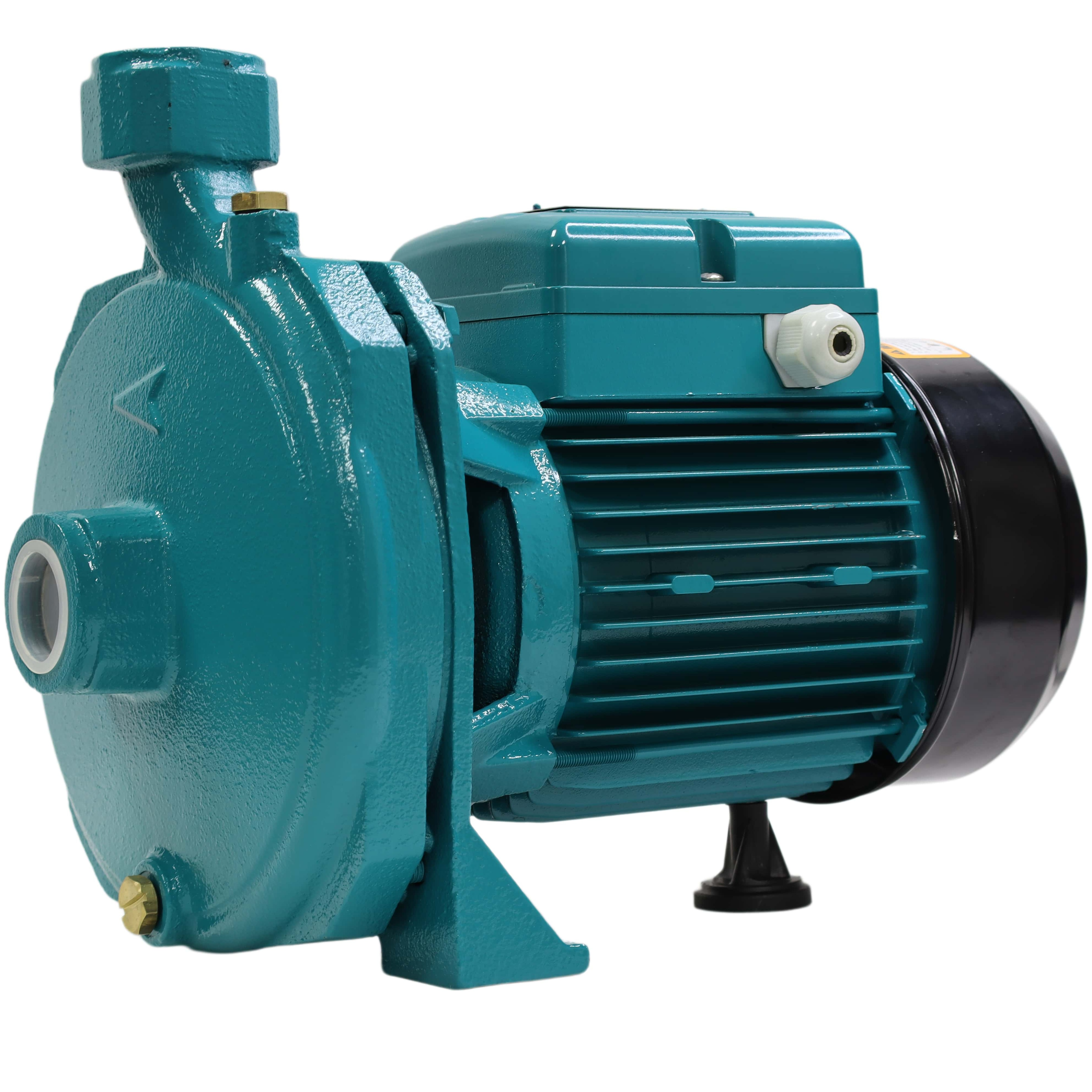
Stainless Steel Centrifugal Pump: Selection and Metallurgy Guide
Fluid transport across chemical processing, food and beverage manufacturing, pharmaceutical production, and industrial wastewater treatment demands equipment capable of enduring relentless corrosive and erosive attack. While standard carbon steel or cast iron pumps suffice for benign, neutral-pH water, aggressive processing streams quickly degrade non-alloyed metals. Premature casing thinning, iron contamination, and catastrophic mechanical breakdown follow close behind. In mission-critical fluid lines, deploying a stainless steel centrifugal pump is never an aesthetic choice or a routine equipment swap; it represents an essential engineering defense against costly process interruptions, batch contamination, and high lifecycle expenditure.
True equipment reliability requires balancing chemical metallurgy, hydraulic design curves, mechanical sealing arrangements, and electric motor duty cycles. A corrosion resistant pump cannot overcome poor hydraulic sizing, just as an efficient impeller cannot compensate for metallurgical degradation in high-chloride media. Engineering teams, plant operators, and industrial distributors must evaluate how fluid mechanics and alloy chemistry interact under actual operational stresses.
Metallurgical Selection: Austenitic Grades and Duplex Alloys
Specifying the correct alloy represents the foundational decision in stainless steel pump selection. Stainless steels rely on a microscopic, passive chromium oxide film on the surface to resist corrosive attack. If process chemistry strips this passive layer faster than it can reform, rapid localized pitting, crevice corrosion, or stress corrosion cracking inevitably occurs.
Alloy Classification
Primary Composition
PREN Value Range
Target Industrial Application
AISI 304 (CF8 Cast)
18% Cr, 8% Ni
18.0 - 20.0
Food processing, washdown, potable water, mild CIP solutions
AISI 316L (CF8M Cast)
16-18% Cr, 10-14% Ni, 2-3% Mo
23.0 - 25.0
Acidic pharmaceuticals, chemical batching, chloride solutions
Duplex 2205 (CD3MN Cast)
22% Cr, 5% Ni, 3% Mo, Nitrogen
32.0 - 36.0
Seawater desalination, brine injection, high-pressure chemical wash
Super Duplex 2507
25% Cr, 7% Ni, 4% Mo, Nitrogen
Above 40.0
High-temperature marine scrubbers, aggressive bleach processing
| Alloy Classification | Primary Composition | PREN Value Range | Target Industrial Application |
|---|---|---|---|
| AISI 304 (CF8 Cast) | 18% Cr, 8% Ni | 18.0 - 20.0 | Food processing, washdown, potable water, mild CIP solutions |
| AISI 316L (CF8M Cast) | 16-18% Cr, 10-14% Ni, 2-3% Mo | 23.0 - 25.0 | Acidic pharmaceuticals, chemical batching, chloride solutions |
| Duplex 2205 (CD3MN Cast) | 22% Cr, 5% Ni, 3% Mo, Nitrogen | 32.0 - 36.0 | Seawater desalination, brine injection, high-pressure chemical wash |
| Super Duplex 2507 | 25% Cr, 7% Ni, 4% Mo, Nitrogen | Above 40.0 | High-temperature marine scrubbers, aggressive bleach processing |
While AISI 304 provides cost-effective service for standard food processing and mild cleaning-in-place regimens, the presence of halides demands upgraded metallurgy. In chloride-rich media, molybdenum-bearing AISI 316L significantly improves resistance to localized pitting and crevice attack. Where high fluid temperatures coincide with elevated mechanical pressures, Duplex stainless steels deliver nearly twice the mechanical yield strength of standard austenitic grades while resisting stress corrosion cracking under thermal cyclic loading. Selecting a suitable corrosion resistant pump requires calculating Pitting Resistance Equivalent Numbers against operating fluid temperatures.
Hydraulic Alignment and Best Efficiency Point Analysis
A resilient casing alloy cannot compensate for hydraulic mismatch. An industrial centrifugal pump operates at the exact intersection where its internal performance curve intersects the dynamic system head curve. Oversizing remains a rampant pitfall across industrial installations. Sizing an assembly too far to the right of its Best Efficiency Point, commonly abbreviated as BEP, causes severe cavitation, excessive motor current draw, and internal recirculation. Conversely, continuous operation to the left of BEP subjects the impeller to radial thrust imbalance, causing shaft deflection and premature bearing fatigue.
Hydraulic Parameter
Undersized or Deviated Operation
Optimized BEP Engineering Target
Total Dynamic Head
Failure to overcome system friction loss
Duty point positioned within 80% to 110% of BEP
Net Positive Suction Head
Vapor formation, cavitation pitting, shock noise
Available NPSH exceeding required NPSH by at least 1.0 meter
Internal Flow Velocity
Fluid starvation or severe volute scouring
Suction line velocity between 1.0 and 2.0 m/s
Shaft Deflection Margin
Excessive runout damaging mechanical seals
Dynamic shaft deflection kept below 0.05 mm
| Hydraulic Parameter | Undersized or Deviated Operation | Optimized BEP Engineering Target |
|---|---|---|
| Total Dynamic Head | Failure to overcome system friction loss | Duty point positioned within 80% to 110% of BEP |
| Net Positive Suction Head | Vapor formation, cavitation pitting, shock noise | Available NPSH exceeding required NPSH by at least 1.0 meter |
| Internal Flow Velocity | Fluid starvation or severe volute scouring | Suction line velocity between 1.0 and 2.0 m/s |
| Shaft Deflection Margin | Excessive runout damaging mechanical seals | Dynamic shaft deflection kept below 0.05 mm |
Calculating accurate total dynamic head requires evaluating static elevation alongside cumulative friction losses through heat exchangers, control valves, strainers, and restrictive pipe geometry. Sourcing an industrial centrifugal pump with verifiable hydraulic curve validation ensures stable fluid movement across fluctuating pressure zones. Engineering teams conducting stainless steel pump selection must request full factory test curves rather than relying solely on catalogue maximums.
Mechanical Seal Architecture and Elastomer Compatibility
Over eighty percent of unscheduled pump shutdowns originate from mechanical seal failures rather than motor burnout or casing rupture. The fluid-contact mechanical seal must isolate pressurized corrosive chemicals from the atmospheric drive environment. Relying on baseline carbon-versus-ceramic faces in an industrial stainless steel centrifugal pump handling abrasive or crystallizing media leads to accelerated face grooving and rapid leakage.
Sealing Arrangement
Seal Face Metallurgy
Secondary Elastomer
Operational Environment
Single Component Seal
Carbon vs. Silicon Carbide
EPDM Rubber
Clean municipal water, brewery mash, mild washdown
Single Cartridge Seal
Silicon Carbide vs. Silicon Carbide
Fluoroelastomer (FKM/Viton)
Petroleum fractions, aggressive solvents, hot detergents
Dual Pressurized Cartridge
Tungsten Carbide vs. Silicon Carbide
Perfluoroelastomer (FFKM)
Toxic chemicals, crystallizing slurry, sterile pharmaceuticals
| Sealing Arrangement | Seal Face Metallurgy | Secondary Elastomer | Operational Environment |
|---|---|---|---|
| Single Component Seal | Carbon vs. Silicon Carbide | EPDM Rubber | Clean municipal water, brewery mash, mild washdown |
| Single Cartridge Seal | Silicon Carbide vs. Silicon Carbide | Fluoroelastomer (FKM/Viton) | Petroleum fractions, aggressive solvents, hot detergents |
| Dual Pressurized Cartridge | Tungsten Carbide vs. Silicon Carbide | Perfluoroelastomer (FFKM) | Toxic chemicals, crystallizing slurry, sterile pharmaceuticals |
For hazardous or volatile media, installing dual pressurized cartridge seals backed by an external barrier fluid system prevents catastrophic atmospheric emissions. Elastomer compatibility must be cross-checked against peak process temperatures and sterilization routines. Selecting perfluoroelastomer components guarantees complete chemical inertness across complex organic solvents and harsh inorganic acids. Integrating these protective measures into initial stainless steel pump selection mitigates unexpected seal wipeouts and unplanned downtime.
Casing Construction and Sanitary Configuration
Industrial buyers must distinguish between deep-drawn stamped stainless steel pumps and heavy-duty investment cast units. Stamped sheet metal models offer lightweight, energy-efficient solutions for light commercial washrooms, boiler feed support, and pure water circulation. Conversely, continuous chemical transfer and high-pressure manufacturing operations demand heavy-wall investment cast casings capable of dampening hydraulic vibration and withstanding external pipe strain.
In sanitary food, beverage, and pharmaceutical facilities, internal surface finishing plays a vital role in preventing bacterial biofilm adhesion. Casings and impellers must undergo electropolishing to achieve smooth surface finishes, accompanied by hygienic tri-clamp or DIN standard connections to facilitate thorough cleaning-in-place without manual equipment teardown. Specifying an investment-cast corrosion resistant pump provides the structural rigidity required for severe industrial duty cycles.
Precision Manufacturing and Global Supply Standards
Securing dependable fluid machinery requires a manufacturing partner with proven engineering discipline, precision metallurgical casting, and automated assembly standards. Equipment wholesalers, engineering contractors, and plant engineers need documented traceability, uniform machining tolerances, and certified hydraulic performance data before commissioning assets on site.
Sourcing through Flyaway delivers decisive technical and logistical advantages to global procurement operations. Flyaway operates advanced industrial facilities equipped with high-precision automated motor winding lines, computerized dynamic balancing machines, and multi-axis CNC machining centers. Through extensive OEM and ODM manufacturing capabilities, Flyaway produces each stainless steel centrifugal pump to exacting international specifications, executing rigorous hydrostatic casing tests, dynamic seal verifications, and automated electrical efficiency tests. This vertically integrated manufacturing framework provides distributors with stable lead times, superior batch-to-batch consistency, and robust engineering reliability across demanding fluid handling sectors.
Strategic Procurement Matrix
Evaluation Dimension
Strategic Engineering Benchmark
Alloy Specification
Match PREN rating to operating chloride levels and maximum fluid temperatures
Hydraulic Alignment
Verify operating duty points within 80% to 110% of BEP with adequate NPSH margin
Sealing Integrity
Specify silicon carbide or tungsten carbide faces with matched elastomers
Manufacturing Partner
Align with Flyaway for verified performance curves and automated production quality
| Evaluation Dimension | Strategic Engineering Benchmark |
|---|---|
| Alloy Specification | Match PREN rating to operating chloride levels and maximum fluid temperatures |
| Hydraulic Alignment | Verify operating duty points within 80% to 110% of BEP with adequate NPSH margin |
| Sealing Integrity | Specify silicon carbide or tungsten carbide faces with matched elastomers |
| Manufacturing Partner | Align with Flyaway for verified performance curves and automated production quality |






