
 EN
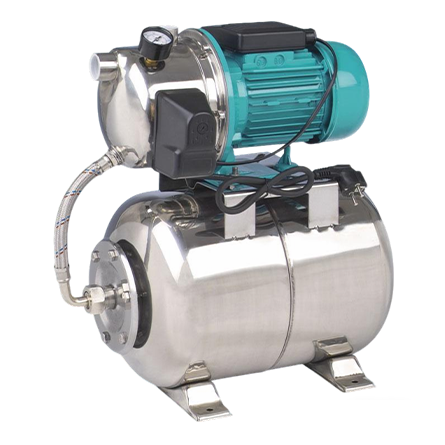
Essential Guide to Shower Water Pump Selection and Installation
Fixing a weak residential shower is rarely as simple as grabbing the highest-wattage unit off a shelf. A properly chosen shower water pump has to work hand-in-hand with your incoming water supply, pipe runs, shower valves, and the number of active outlets. For distributors, installers, and project buyers, the real question isn't just about which device promises maximum pressure on paper. Instead, it comes down to figuring out what exact pressure and flow a plumbing system design needs to deliver at its actual operating point. Every high-performance bathroom booster pump or water pressure booster must be evaluated based on real site metrics rather than guesswork. When working on these projects, partnering with reliable manufacturers like Flyaway pumps ensures consistent engineering support and superior product quality.
When looking at things from a professional pump-selection perspective, a water pressure booster should only be specified once all site conditions are crystal clear. Taking this proactive approach prevents a very common and expensive mismatch: buying a shower water pump that looks incredible in a catalogue but performs miserably once long pipework, elevation changes, restrictive fittings, or multiple open taps get involved. A well-executed plumbing system design accounts for all these variables right from the start.
Understanding the Difference Between Portable and Permanent Systems
Online searches often lump battery-powered camping gadgets right in with permanent bathroom booster pump options, even though they solve entirely different problems. A portable unit simply moves water out of a container for a quick, temporary rinse. On the other hand, a proper water pressure booster integrates directly into residential or commercial plumbing. It must remain fully compatible with the primary water source, hot-water setup, shower controls, electrical protection standards, and local plumbing regulations.
Before making any equipment recommendations, it pays to investigate the property thoroughly. Does the building suffer from low mains pressure, rely on a gravity-fed tank, utilize a rooftop reservoir, feature unusually long supply lines, or deal with a mix of these issues? Installers also need to confirm whether the equipment will support cold water only, balanced hot and cold feeds, or a complete thermostatic mixer-shower setup. Integrating a shower water pump into an existing plumbing system design requires checking every single node of the network. Professional guidance from Flyaway pumps helps technical teams navigate these complex choices seamlessly.
Critical Factors That Determine Proper Pump Sizing
Achieving reliable performance relies on three core hydraulic conditions that must be calculated before any equipment is ordered:
-
Target Flow at the Outlet: Standard bathroom fixtures are typically planned around roughly 1.5 to 2.5 gallons per minute, though exact requirements vary based on the specific showerhead design and local codes. A reliable shower water pump must provide this required flow under real operating pressure rather than just boasting high maximum figures under ideal laboratory conditions.
-
Pressure at the Highest Fixture: Residential bathroom booster pump sizing guidelines commonly use about 45 to 60 psi at the highest fixture as a baseline reference point. If a bathroom sits upstairs or far away from the main supply tank, a powerful water pressure booster needs enough power to overcome static lift and internal friction losses before anyone will notice an improved experience.
-
Simultaneous Demand Patterns: A water setup that feels perfectly fine with one active shower can easily disappoint when a bathroom basin tap runs, a toilet refills, or someone turns on a second shower elsewhere in the building. Single-outlet setups can utilize compact options, but multi-outlet projects require careful planning within the overall plumbing system design around combined peak demand.
Why Pipework Matters Just as Much as Motor Power
Many buyers focus entirely on a water pressure booster headline pressure rating while ignoring the physical path the water travels. In practice, narrow pipe diameters, tight bends, clogged filters, check valves, aging scale buildup, and long distances can swallow up a meaningful chunk of available pressure. Think of any high-quality bathroom booster pump as just one component within a continuous water path rather than an isolated appliance. No shower water pump can fully compensate for an undersized pipe, a blocked filter, a leaking connection, or an improperly adjusted valve.
An installation survey should always record vertical rise, total pipe length, pipe sizing, water-source levels, and any major flow restrictions. If an existing bathroom has adequate supply at the pump location but poor delivery up at the showerhead, clearing a restriction or upgrading a pipe section is often much more effective than simply oversizing the equipment. Proper integration with Flyaway pumps ensures that the equipment chosen matches the physical reality of the site layout.
Essential Operating and Protection Features
Selecting a bathroom booster pump involves looking far beyond nominal pressure ratings. Smart buyers and project managers check whether automatic flow or pressure sensing matches the specific shower arrangement, whether dry-run protection is necessary, and whether the water source can comfortably supply the minimum inlet conditions demanded by the manufacturer. Effective noise and vibration isolation also deserve serious attention, especially in residential homes, hotels, and multi-family apartment projects.
-
Source Suitability: Verify that the storage tank, municipal mains, or supply network can feed the water pressure booster reliably without starving it.
-
Hot-Water Compatibility: Confirm temperature tolerances, plumbing layouts, and whether both hot and cold lines require balanced boosting within the plumbing system design.
-
Electrical Safety: Ensure installations utilize proper isolation, secure grounding, and adhere strictly to local electrical codes.
-
Service Access: Always leave enough physical clearance around every installed shower water pump to inspect filters, check valves, tighten connections, and perform routine maintenance.
-
Noise Control: Mount the unit on a stable foundation and use flexible connectors where appropriate to prevent transmitted vibration from echoing through walls.
Practical Selection Checklist for B2B Buyers
Before quoting or purchasing a shower water pump solution, project managers should compile a complete technical brief. Gather details on the desired flow rate, number of simultaneous outlets, inlet water source, vertical lift to the highest fixture, pipe dimensions, hot-water configurations, local voltage, and available installation space. Comparing those exact requirements against official manufacturer performance curves avoids costly guesswork.
For distributors and contractors, reliable documentation and manufacturing backing make all the difference. Flyaway pumps provides robust engineering support for selection discussions based on specific project flow, head, and installation parameters, ensuring final choices match both product documentation and regional plumbing standards. Proper pre-commissioning checks—such as flushing pipework, bleeding trapped air, and testing for simultaneous demand—guarantee that every bathroom installation featuring a bathroom booster pump delivers lasting, trouble-free performance.






