 EN
What Is a Water Pump Used For?
2026/10/17
Discover what a water pump is used for across homes, farms, and sites. Learn how Flyaway provides durable manufacturing and supply solutions.

2026/10/16
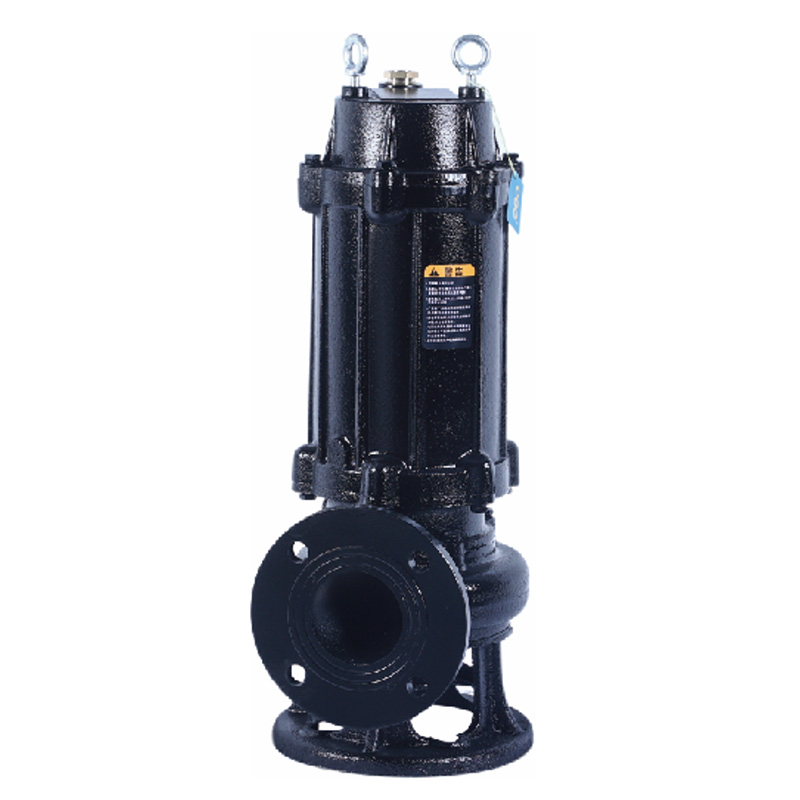
When a building drain, municipal wastewater line, or commercial facility cannot reach the main sewer or treatment point by natural gravity, a heavy-duty sewage pump becomes an indispensable structural component of the drainage network rather than just a stand-alone equipment purchase. A professional sewage pump solution must move incoming wastewater efficiently at the required flow rate and total dynamic head, successfully pass the suspended solids expected in the stream, integrate smoothly with the collection basin and electronic control panel, and remain easily accessible for routine preventive service. For international distributors, civil contractors, and facility buyers, selecting the right drainage system starts with analyzing these specific site conditions rather than looking at motor size or initial horsepower alone.
A dedicated sewage pump is specifically engineered for harsh wastewater containing solid debris, whereas a clear-water drainage pump or light-effluent utility unit is designed strictly for much cleaner liquids. Confusing these distinct hydraulic duties is the most common source of system blockages, shortened service intervals, and dissatisfied end users. Before choosing a sewage pump, document exactly what enters the collection pit: sanitary wastewater, paper products, fibrous material, heavy grit, kitchen grease, or commercial process water. This vital information dictates the required solids passage size, impeller design, material metallurgy, and maintenance schedule.
Furthermore, ignoring the specific chemical and physical nature of the liquid can lead to premature mechanical failure. For example, commercial kitchens discharge high volumes of grease that can coat level sensors and bind impellers, while residential sites often introduce unexpected solid objects. Taking time to audit the incoming wastewater stream prevents costly emergency repairs and ensures long-term operational stability for the entire drainage system.
Solids passage is a vital screening criterion for every sewage pump solution. A larger solids passage is not automatically better; it must suit the incoming waste profile, hydraulic duty, and local plumbing codes. Many engineering installations specify a sewage pump capable of handling spherical solids of at least two inches. Treat this as a prompt to verify local engineering specifications rather than as a universal rule for every single site.
Always ask your equipment supplier for the stated solids-passage size, impeller arrangement, pump performance curve, and the exact operating limits behind those numbers. In sites handling wipes, rags, or stringy debris, buyers should also consider upstream waste management practices and physical access for clearing potential clogs. A sewage pump cannot compensate for a poorly designed basin that collects unsuitable debris or a drainage system that leaves no physical room for maintenance technicians to work safely.
Flow rate and head must always be evaluated together. Purchasing a larger sewage pump simply to create a massive safety margin can push operation far away from its preferred efficiency range, drive up energy consumption, or create turbulent cycling inside a small basin. Conversely, undersizing the unit will lengthen run times and leave the drainage system unable to keep up during peak inflow events.
A practical evaluation should answer several key questions: What exact flow rate is needed at the calculated total dynamic head? How often will the sewage pump start, and is the basin volume appropriate for that cycle pattern? Is the discharge line sized for proper scouring velocity without excessive friction? Are check valves, isolation valves, air venting arrangements, and control panels specified correctly? Comparing the proposed pump curve against your calculated system curve guarantees that the selected drainage pump operates right at its optimal sweet spot.
Modern sewage pump solution deployments require much more than a simple on-and-off float switch to operate safely over the long term. Incorporating an advanced control panel with thermal overload protection, phase-loss monitoring, and automatic lead-lag alternation for dual-pump configurations is vital for protecting the core motor assets. When multiple units share a single drainage system, intelligent controls ensure even wear distribution by alternating which sewage pump initiates the next drainage cycle.
Additionally, integrating high-water alarm beacons, remote telemetry alerts, and dry-run protection prevents minor plumbing glitches from escalating into catastrophic basement floods. A well-designed electrical control interface acts as the intelligent brain of your entire wastewater management layout, giving facility managers real-time visibility into operational health, runtime hours, and potential maintenance warnings before failures occur.
Drainage reliability depends heavily on the collection basin, level control sensors, discharge piping, and physical access as much as on the sewage pump itself. The basin should provide adequate working volume without encouraging excessive wastewater retention. Level switches need a clear operating range and must be positioned where they are less likely to foul with grease or debris.
Plan service access before physical installation begins. Can technicians remove the sewage pump easily without cutting or rebuilding the discharge piping? Are guide rails, lifting chains, isolation valves, and electrical disconnects practical for the specific location? Clear installation guidance and available replacement parts make routine work much less disruptive. When your projects require dependable drainage system components, Flyaway provides robust manufacturing capabilities and expert pre-sales support tailored to your project requirements.

2026/10/17
Discover what a water pump is used for across homes, farms, and sites. Learn how Flyaway provides durable manufacturing and supply solutions.

2026/10/17
Discover why knowing the correct pump size protects budgets and ensures system efficiency. Learn sizing steps and Flyaway pump solutions.

2026/10/17
Discover how to choose the right farm water pump. Learn about head, flow, solar options, and reliable pump solutions by Flyaway.

2026/10/17
Discover how a small self priming water pump can simplify home water transfer, plus key installation and sizing checks.

2026/10/17
Learn how to choose a booster pump by evaluating flow, head, curves, and controls. Discover reliable pump solutions built by Flyaway.

2026/10/17
Learn the core benefits of a self priming well pump for shallow wells. Discover selection tips, operation limits, and how Flyaway delivers quality pumps.
