 EN
What Is a Water Pump Used For?
2026/10/17
Discover what a water pump is used for across homes, farms, and sites. Learn how Flyaway provides durable manufacturing and supply solutions.

2026/09/18
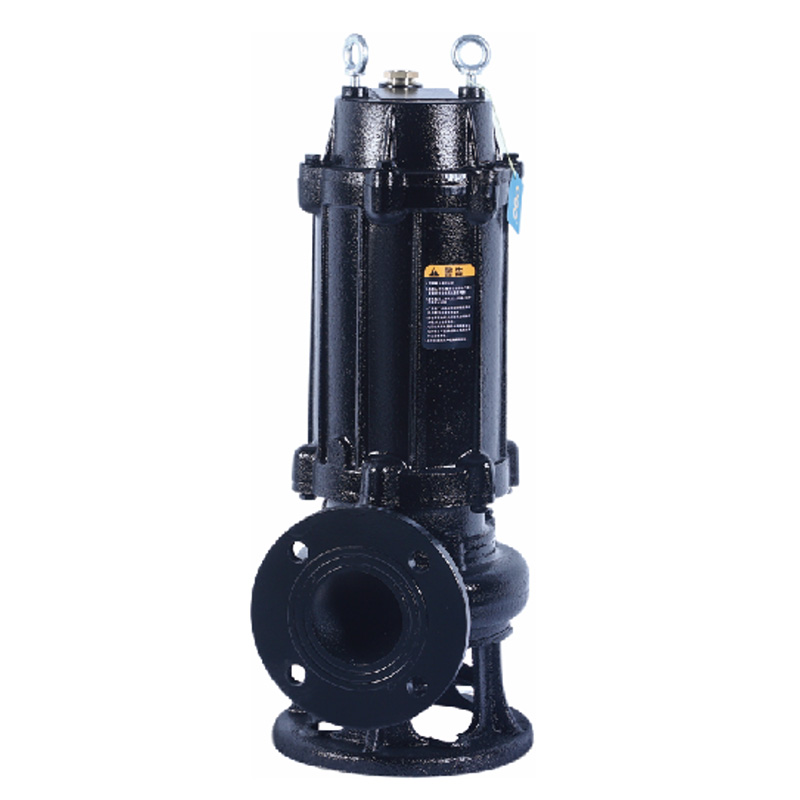
A heavy-duty sewage pump is an essential mechanical device utilized across residential, municipal, and industrial settings to transport wastewater and solid waste safely from low-lying areas to main drainage networks. Typically installed within a basement sump or a dedicated underground basin, a reliable sewage pump is specifically designed to handle harsh environmental conditions where standard gravity drainage is entirely impossible or inefficient. Without a properly specified sewage pump, modern building plumbing systems would frequently fail, leading to severe sanitary hazards, unpleasant structural odors, and costly water damage. At Flyaway, our engineering experience indicates that understanding core mechanical principles, routine preventive maintenance, and diverse sewage pump applications is vital for property owners, civil engineers, and facility managers who want to ensure sustainable sanitation infrastructure and compliant wastewater management across complex architectural layouts today. Furthermore, choosing the correct equipment protects capital investments and ensures long-term operational resilience during high-demand commercial cycles.
The primary function of any standard drainage unit is to lift wastewater, including both liquid and solid debris, upwards to an elevated main sewer line or a municipal septic tank. Most modern industrial units are fully submersible, meaning the entire equipment housing is completely immersed in fluid during operation. This clever engineering design allows the drainage mechanism to operate quietly and efficiently while remaining cool, thus preventing premature motor burnout under heavy loads. Inside the unit, an internal impeller rotates rapidly to create a strong centrifugal force, pushing the wastewater outward and upward through a reinforced discharge pipe. To prevent system clogging, a specialized drainage unit is frequently equipped with a heavy-duty grinder mechanism or a vortex impeller capable of macerating tough solid waste before it enters the main discharge pipeline, ensuring steady fluid momentum and reliable continuous performance across diverse facilities and operational environments. Every operational sewage pump requires careful performance monitoring to prevent unexpected hydraulic degradation.
The remarkable versatility of these fluid handling devices allows for a wide array of sewage pump applications across multiple industrial, commercial, and domestic sectors. In multi-story commercial buildings, specialized drainage hardware is commonly installed to drain below-grade basement bathrooms, laundry rooms, and underground commercial kitchens. Furthermore, municipal and commercial-grade sewage pump applications involve lifting vast volumes of raw wastewater from remote municipal drainage systems to elevated water treatment plants. Another critical sector for specialized sewage pump applications is modern agriculture, where livestock waste, barn runoff, and agricultural irrigation drainage must be efficiently managed to protect soil health and surrounding ecosystems. Additionally, marine environments, shipyards, and urban construction sites frequently rely on versatile sewage pump applications to remove accumulated wastewater and prevent catastrophic flooding during heavy seasonal storms.
In large-scale industrial complexes, hospitals, airports, and high-rise commercial structures, standard residential drainage units are simply insufficient to handle daily demands. Instead, heavy-duty facility sewage pumps are deployed to manage continuous, high-volume wastewater streams under extreme operational pressure. Industrial facility sewage pumps remain critical for sustained operational success. Flyaway supplies robust industrial solutions, including advanced wastewater units engineered with superior horsepower, heavy-duty corrosion-resistant cast iron materials, and dual-pump alternating control systems to ensure uninterrupted, 24/7 operation. Facility maintenance managers must prioritize the regular inspection and testing of facility sewage pumps to detect early signs of mechanical wear, electrical motor failure, or pipeline jamming. Investing in premium facility sewage pumps ultimately prevents costly business interruptions, avoids hefty environmental regulatory fines, and effectively protects public health standards across large enterprise facilities.
Proper and proactive maintenance is vital to significantly extend the operational lifespan of any heavy-duty sewage pump deployed in commercial networks. Routine facility checks should include inspecting the automatic float switch, thoroughly cleaning the collection basin, and testing the electrical motor windings for thermal stability. If a drainage unit runs continuously without stopping or emits unusual grinding noises during operation, it usually indicates an internal mechanical blockage or a failing impeller component. Furthermore, facility operators should always keep a backup unit on hand in inventory to quickly replace any hardware that suffers an unexpected failure during severe weather events or high-demand operational periods, ensuring continuous workflow safety and long-term asset protection.
In summary, whether implemented for a small private property or a massive industrial complex, the sewage pump plays an indispensable role in maintaining public sanitation and efficient fluid management. From diverse sewage pump applications in agriculture and urban drainage to heavy-duty facility sewage pumps in modern commercial enterprises, these critical systems guarantee environmental compliance and community safety. Proper product selection, professional installation, and meticulous maintenance of every sewage pump will ensure highly reliable performance, energy efficiency, and operational excellence for many years to come.

2026/10/17
Discover what a water pump is used for across homes, farms, and sites. Learn how Flyaway provides durable manufacturing and supply solutions.

2026/10/17
Discover why knowing the correct pump size protects budgets and ensures system efficiency. Learn sizing steps and Flyaway pump solutions.

2026/10/17
Discover how to choose the right farm water pump. Learn about head, flow, solar options, and reliable pump solutions by Flyaway.

2026/10/17
Discover how a small self priming water pump can simplify home water transfer, plus key installation and sizing checks.

2026/10/17
Learn how to choose a booster pump by evaluating flow, head, curves, and controls. Discover reliable pump solutions built by Flyaway.

2026/10/17
Learn the core benefits of a self priming well pump for shallow wells. Discover selection tips, operation limits, and how Flyaway delivers quality pumps.
