
 EN
Why Self Priming Pumps Are Essential for Modern Farm Water Management
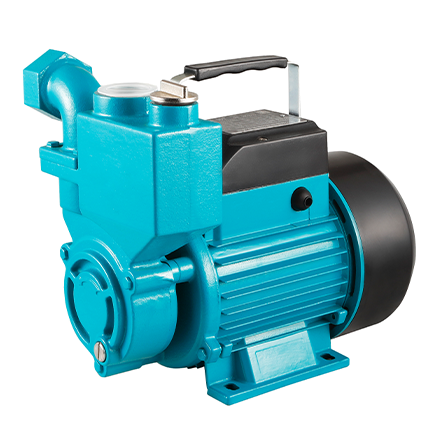
Water management can make or break an agricultural season. For most farm operators, water sources rarely sit right where irrigation is needed most. A winding creek, an open canal, a storage pond, or a transfer tank often rests well below the pump station and some distance away from growing fields. Bridging this elevation gap efficiently requires reliable equipment, which is why choosing the right self priming pumps transforms daily operations. Unlike standard centrifugal alternatives, these surface units are specifically engineered to clear air from the suction line after the casing is initially filled, allowing the pump to draw from a lower water source without constant manual intervention.
Practical farm work demands equipment that handles changing water levels, seasonal crop rotation blocks, and temporary irrigation layouts seamlessly. When field crews need a straightforward restart after a planned shutdown, dependable self priming pumps eliminate unnecessary downtime. However, realizing these operational benefits requires proper system design. The suction line must remain completely airtight, the vertical lift must stay within realistic technical limits, and the selected pump must perfectly match the required system flow and total dynamic head.
Understanding How Self Priming Technology Works on Farms
Basic centrifugal pumps often struggle when air enters the suction line, requiring repeated manual priming to restore pressure. In contrast, advanced self priming pumps retain enough residual water inside their casing to separate and recirculate air during startup. Once all trapped air is evacuated from the suction line, water delivery stabilizes completely. This automated clearing capability drastically reduces the daily labor of preparing surface equipment at dynamic seasonal intake points.
That convenience shines brightly on modern farms utilizing rotating crop blocks, ponds with fluctuating water levels, and mobile irrigation setups. Still, operators must respect the manufacturer's initial fill requirements and operational guidelines. No high-performance surface pump should ever be treated as capable of running dry indefinitely. Establishing a disciplined startup routine preserves internal seals and extends the overall operating lifespan of the equipment.
Common Agricultural Applications for Surface Water and Transfer
Deploying surface water irrigation from open canals, ponds, and reservoirs represents one of the most widespread farm applications. Positioning a surface pump on stable, dry ground high above the water source while dropping a screened suction hose into the intake makes routine inspection and scheduled maintenance vastly safer and more convenient than servicing equipment stationed right at a slippery water's edge.
Protecting the suction strainer from floating debris, algae, and sand is vital for open-water intakes. While a foot valve helps retain water inside the suction line during pauses, it cannot compensate for leaking pipe joints, crushed hoses, or intakes that pull in surface air during low water levels.
Beyond direct irrigation, moving water efficiently between storage points is another core daily task. Farmers frequently transfer water from a collection pond to an elevated storage tank, a settling basin, or a distribution reservoir. Self priming pumps excel at this transfer duty when the source sits below ground level and the destination requires moderate pressure. Calculating the entire route—including static lift and friction losses through pipes, elbows, filters, and valves—prevents underperformance. Sourcing dependable hardware from established manufacturers like Flyaway Pump ensures that agricultural projects receive robust hydraulic designs matched precisely to actual duty points rather than misleading maximum flow claims.
Livestock Water Supply and Rapid Field Dewatering
Farms drawing from shallow surface tanks or storage ponds often rely on surface units to feed livestock trough systems, equipment washdown points, or central service tanks. While these tasks might demand lower flow rates than wide-field irrigation, they require effortless restarting after intermittent use throughout the day.
Furthermore, handling unexpected drainage after heavy rainfall or during routine maintenance requires portable dewatering support. A reliable agricultural water pump helps clear accumulated water from low areas, shallow drainage pits, or equipment wash zones, provided the suspended solids remain within safe operating limits. Matching the wet-end design, internal strainers, and seal materials to the specific liquid guarantees reliable service without premature wear.
Critical Guidelines for Suction-Side Design and Sizing
Most operational headaches originate on the suction side rather than from motor failures. Surface pumps face strict suction-lift limits. While approximately 25 feet is often cited as an ideal screening limit under favorable conditions, actual performance drops noticeably at higher altitudes, with warmer water, or when dealing with long pipes and air leaks.
-
Keep the suction pipe as short and direct as possible to minimize friction losses and speed up priming.
-
Always use an airtight, reinforced suction hose because microscopic air leaks can disrupt operation without showing visible water drips.
-
Size the suction line correctly to maintain optimal fluid velocity without exceeding pump tolerance.
-
Ensure the intake remains fully submerged to prevent surface vortexing from introducing unwanted air into the system.
-
Install a proper intake strainer and foot valve to protect internal components and maintain the prime between cycles.
To size a farm irrigation pump correctly, operators must calculate the exact water requirement, operating window, and sprinkler pressure needs. Evaluating total dynamic head ensures the chosen unit operates efficiently without wasting energy or generating excessive backpressure. Global buyers looking for dependable supply chain solutions benefit greatly from working directly with experienced manufacturing partners who provide customized technical pre-sales consultations based on detailed flow and head parameters.
Farm Pump System Comparison Guide
| Application Type | Primary Water Source | Key Operational Focus | Recommended Surface Solution |
| Open-Water Irrigation | Canals, Ponds, Reservoirs | Consistent pressure & debris management | High-flow self priming pumps |
| Water Transfer | Collection Basins, Storage Tanks | Overcoming pipeline friction and lift | Durable industrial surface water pump |
| Livestock Supply | Shallow Tanks, Service Basins | Reliable intermittent restarting | Compact agricultural water pump |
| Field Dewatering | Low-Areas, Drainage Pits | Quick clearing and solids handling | Portable dewatering surface pump |
Conclusion and Manufacturer Support
Ultimately, self priming pumps provide agricultural operations with a versatile, accessible tool for irrigation, water transfer, livestock supply, and field dewatering. Their true value lies in simplified maintenance, reliable restarts, and convenient surface placement. By partnering with dedicated industry experts such as Flyaway Pump, agricultural distributors and farm project managers gain access to superior manufacturing capabilities, reliable supply chain support, and precision-engineered surface water pump solutions designed to keep farms running smoothly all season long.






