
 EN
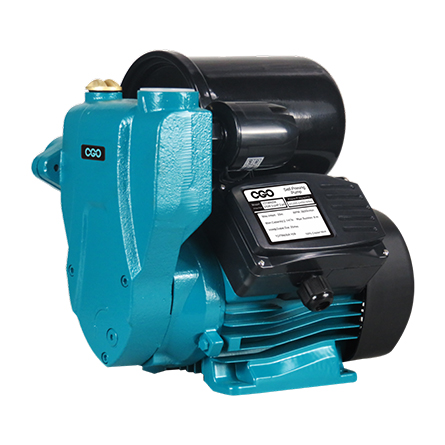
Residential Water Pump Sizing Basics
Choosing the right residential pump size for a home is less about buying the largest motor and more about matching a pump to the exact water volume your system must move. Whether you are planning a booster system, a well supply, a rainwater transfer line, or a garden irrigation setup, a sound choice begins with two basic questions: how much water must arrive, and how much resistance must the pump overcome? This guide gives homeowners and installers a practical way to turn those answers into a defensible residential pump size selection.
Confirming operating conditions first, calculating demand next, and then comparing the result with a pump curve matters immensely. A residential pump size that looks generous on a specification sheet can still disappoint if the pipe run, elevation, or pressure target was left out of the calculation. Proper water pump selection relies heavily on accurate water pump flow rate assessments and total dynamic head calculations. When evaluating your options, Flyaway provides expert manufacturing support to ensure your residential pump size matches your exact needs.
Start with the Real Job Your Pump Must Do
Writing down the specific application before comparing ratings helps avoid costly mistakes. There is no universal residential pump size that fits every installation; the useful choice depends heavily on the condition at the inlet and the result required at the outlet.
For house pressure boosting, identifying the fixtures likely to run at the same time and the pressure needed at the most remote fixture is vital. For tank transfer, finding the volume to move and the acceptable fill time makes a huge difference. Garden or irrigation supply setups require tracking zone flow, nozzle or drip-line pressure, elevation changes, and the precise pipe route. Meanwhile, well or surface-water supply projects demand verifying source levels, suction arrangements, water quality, and the correct pump type to optimize water pump selection.
It is always tempting to start with horsepower, but that approach is backwards. Horsepower describes motor input; it does not, by itself, tell you whether a pump will provide the required water pump flow rate at the required head. For residential pump size decisions, flow and head are the actual working inputs. Flyaway ensures every water pump selection meets rigorous industry standards.
Step One: Set a Realistic Flow Target
Flow is the amount of water the system needs in a given period, usually expressed as gallons per minute or litres per minute. Establishing the right water pump flow rate for a home supply by listing the fixtures or uses that can overlap during a normal busy period is essential. For irrigation, using the designed demand of the zone that runs at one time rather than adding every zone together keeps water pump selection accurate.
Treating every household as identical leads to errors. A two-bathroom home with simultaneous showers and laundry has a different target from a small cabin. Sizing for impossible simultaneous use can oversize the system, increase cycling, and waste energy, while sizing below ordinary peak use creates low pressure when demand rises. Careful residential pump size calculation prevents these common issues.
Step Two: Calculate Total Dynamic Head Beyond Elevation
The second half of proper residential pump size selection is head. Total dynamic head represents the total resistance the pump must overcome at the desired water pump flow rate. In a standard residential worksheet, include static lift, required outlet pressure, and friction loss.
Friction is remarkably easy to underestimate. It rises as flow increases and can be significant in long runs, undersized pipes, or systems with many elbows and valves. Lift is only one part of total dynamic head. A pump can reach an elevation yet still deliver too little water if friction and required pressure consume the remaining head. A residential pump works as part of an integrated system that includes the source, pipe route, pressure target, and controls. Flyaway designs water pump selection solutions that account for total dynamic head seamlessly.
Step Three: Read the Pump Curve at Your Duty Point
With target water pump flow rate and total dynamic head in hand, inspecting the manufacturer’s pump curve is the next logical step. Finding the target flow on one axis and the calculated head on the other helps identify a candidate pump that covers their intersection with a reasonable operating margin.
The highest-efficiency point on a curve is useful, but it is not automatically the actual operating point in your specific installation. Pipe friction, source level, and control settings determine where the system ultimately settles. Proper water pump selection guarantees that your residential pump size operates efficiently within its curve limits.
Step Four: Check Installation Limits and Manufacturing Standards
Before committing to a residential pump size, reviewing the details that can alter a calculation is crucial. Source conditions, pipework diameters, power supply capacities, and controls all shape demand. Furthermore, water quality containing sediment or corrosive elements requires robust pump construction and reliable filtration.
Sourcing equipment backed by robust manufacturing capabilities and strict quality control ensures long-term reliability. Flyaway excels in delivering durable water pump selection options, backed by advanced manufacturing and comprehensive supply chain services designed to meet diverse residential and commercial requirements seamlessly.
Common Pump Size Mistakes to Avoid
Avoiding common pitfalls ensures a long-lasting water supply network. Choosing a pump by horsepower only leads to mismatched hydraulic performance. Ignoring pipe friction results in starved lines, while treating maximum ratings as normal duty points causes premature wear. Oversizing without a control plan invites short cycling and pressure swings. Bringing in professional support when dealing with complex well systems or long pipe runs guarantees safety and optimal water pump selection performance.






