
 EN
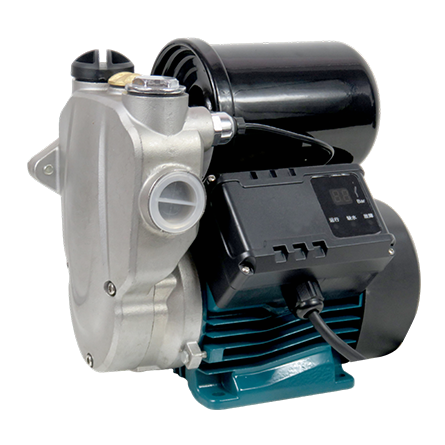
OEM Water Pump Guide for Businesses: Building a Reliable Branded Line
For equipment brands, wholesale distributors, and regional contractors, sourcing an OEM water pump involves much more than simply slapping a custom logo onto a generic factory catalog item. It represents a vital supply chain decision that ties together hydraulic performance, regional electrical standards, brand presentation, quality inspection protocols, and long-term after-sales readiness. A well-structured OEM water pump program equips your business with a dependable product line that your sales team can explain, stock, and support with absolute confidence.
Sourcing professionals know that unit-price comparisons are never enough. The real starting point must always focus on the exact duty the equipment needs to perform and what parameters must remain consistent from the initial prototype sample to repeat volume orders.
Start an OEM Water Pump Project with the Duty Point
Before diving into housing colors, custom nameplates, or carton artwork, you must define the exact mechanical work the OEM water pump needs to accomplish. Consult your end users or project engineers to gather critical parameters, including required flow rates, total system head, water source characteristics, piping layouts, daily operating hours, power supplies, and environmental installation constraints. These details dictate whether a centrifugal, self-prizing, submersible, or booster configuration is appropriate.
Total system head is never just vertical elevation lift. It also encompasses internal friction losses across piping, check valves, filters, and pipeline fittings. In practical operations, the pump curve and the system resistance curve intersect at the operating point. Buyers who specify only maximum flow or peak head often receive units that look impressive on paper but underperform severely in real-world installations.
-
Required Flow: State the exact volume needed per hour or minute at the actual point of use.
-
Total Head: Combine static elevation changes, pressure requirements, and realistic pipe friction allowances.
-
Fluid Medium: Identify clean water, suspended solids, mineral concentrations, liquid temperatures, and corrosion risks.
-
Electrical Supply: Confirm local phase configurations, voltage levels, frequency limits, plug styles, and motor protection.
-
Operating Pattern: Clarify whether the pump runs continuously, handles seasonal irrigation, or cycles intermittently.
This phase highlights why robust pre-sales engineering support matters. Collaborating with an experienced manufacturing partner turns rough marketing requests into repeatable technical briefs, ensuring that future claims regarding flow, head, and material durability are fully traceable to agreed specifications.
Establishing Specifications Before Branding Details
Once the duty point is locked down, drafting a comprehensive technical specification sheet is essential. This document should outline the model family, performance curve references, rated flows and heads, motor specifications, wetted materials, mechanical seal arrangements, port sizes, physical dimensions, packaging standards, and compliance documentation. It should also explicitly state which features are fixed and which allow for customization.
For many global distributors, an OEM water pump program includes branded nameplates, custom carton artwork, user manuals, warning labels, and a recommended spare-parts list. While these commercial elements drive market recognition, they should never overshadow incomplete technical definitions. Nameplate ratings must match approved test parameters, packaging must withstand rigorous international shipping routes, and instruction manuals must align precisely with the hardware supplied.
Selecting Materials for Water Quality and Service Plans
Material selection must always correspond to the pumped fluid and the expected maintenance environment. Standard configurations work wonderfully for clean-water utility service, whereas abrasive, mineral-heavy, or mildly corrosive waters demand specialized wet-end alloys or upgraded mechanical seals. Rather than marketing a universal material solution, work with manufacturers who clearly document material compatibility limits. This transparency creates a solid foundation for your sales team and prevents ambiguous warranty disputes later.
Using Sample Approval as a Quality Control Gate
Sample approval should never be treated as a mere bureaucratic formality. It serves as your primary quality control gate to verify physical hardware, artwork, and documentation against the written technical brief. Test the evaluation sample under conditions that closely mimic your target application. Inspect physical appearances, laser-etched labeling, dimensions, port threads, rotation directions, performance test certificates, and drop-test packaging conditions.
For a private-label OEM water pump, retaining a signed or dated master sample record covering technical sheets, final artwork files, and permitted deviations is crucial. This "golden sample" approach gives both buyer and factory a shared physical reference once mass production begins.
Evaluating Manufacturing Capability Beyond the Quotation
A competitive price quotation is helpful, but it only scratches the surface of supplier evaluation. B2B buyers must investigate how a manufacturing partner handles incoming component quality checks, precision assembly lines, outgoing performance testing, product serialization, and engineering change controls.
Based in Taizhou, Zhejiang—a mature electromechanical manufacturing hub—Flyaway leverages deep local supply chain networks to streamline component sourcing for pumps, motors, and accessories. Through CGO Pumps, Flyaway collaborates closely with international distributors to manage private-label requirements, custom nameplates, specialized packaging, and tailored documentation once operating parameters are locked in.
Planning for Local Market Support After Delivery
A successful OEM water pump strategy always looks beyond the initial container arrival, focusing heavily on local sales enablement and after-sales support. Preparing clean, buyer-friendly product data sheets helps your dealer network explain performance points clearly. Furthermore, stocking essential maintenance spares ensures that end users enjoy a smooth ownership experience.
Distributors operating across developing and emerging markets often balance aggressive price pressures with the high costs of servicing remote installations. Consequently, consistent product specifications, robust documentation, and a realistic spare-parts plan deliver far more long-term value than minor initial unit-price savings.
Essential Questions for Your OEM Water Pump Inquiry
-
What precise flow rate and total head are required at the actual operating point?
-
What specific water quality, installation layout, and daily duty cycle apply?
-
Which voltage, frequency, phase, and motor protection standards apply in your target market?
-
Which hydraulic materials, seal options, and accessories are required or excluded?
-
What exact text and branding should appear on the nameplates, cartons, and manuals?
-
Which pre-shipment sample checks and factory quality inspections are mandatory?
-
What spare-parts packages and technical service manuals will your distribution network require?
Ultimately, launching a profitable OEM water pump line depends on aligning the buyer, sales force, and factory around a unified technical and commercial record. By defining duty points first, approving golden samples, locking down private-label branding, and planning robust after-sales support, your business can build a thriving, defensible pump brand. Reach out to Flyaway to discuss your operating parameters and explore a customized OEM or ODM manufacturing partnership tailored to your market.






