
 EN
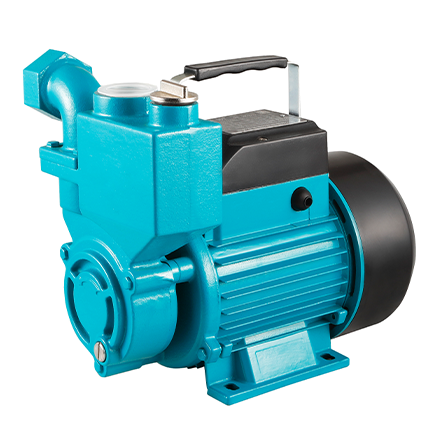
Industrial Water Pump Inspection & Maintenance Guide
Heavy-duty fluid systems rarely fail without delivering observable warnings beforehand. Across busy plants, early distress signals frequently blend into baseline ambient noise. A subtle vibration, minor seal weeping, elevated bearing temperature, or a minor drop in flow can easily be dismissed during busy shifts. An industrial water pump operating in harsh environments requires steady operational oversight. Viewed systematically, minor variations indicate internal stress that demands structured water pump maintenance before wear compromises primary assemblies.
-
Interconnected Hydraulic Dynamics: Suction conditions, pipe friction, and line voltage directly dictate mechanical longevity.
-
Progressive Thermal Fatigue: Friction between dynamic rotating parts converts mechanical energy into localized heat, accelerating seal aging.
-
Component Misalignment Risks: Structural pipe strain and shifting foundation bolts force shafts out of concentric alignment.
-
Hydraulic Recirculation Hazards: Operating too far from the best efficiency point introduces internal turbulence and shaft deflection.
Recognizing Early Mechanical Pump Distress
Early intervention protects heavy rotating machinery from expensive emergency teardowns. Tracking operational deviations during standard shift walk-throughs establishes baseline reliability before minor wear damages critical internal components.
| Degradation Stage | Observable Physical Symptoms | Underlying Mechanical Cause | Operational Urgency |
|---|---|---|---|
| Early Onset Stage | Subtle acoustic pitch change, micro-seepage at joints | Minor fastener loosening, superficial seal face scoring | Monitor during regular shift walk-throughs |
| Progressive Wear Stage | Bearing housing heat rise, vibration crossing 4.5 mm/s | Lubricant oxidation, impeller imbalance, pipe strain | Schedule corrective maintenance within 48 hours |
| Critical Failure Stage | Grinding noises, flow loss over 20%, intermittent trips | Bearing seizure, severe cavitation erosion, coil burnout | Immediate equipment shutdown and full teardown |
Consistent water pump inspection routines allow engineering teams to detect performance deviations early. Establishing documented operational records bridges shift handovers and provides field teams with verifiable baselines for ongoing water pump maintenance schedules.
Practical Isolation Protocols and Shift Handover Routines
Conducting a systematic water pump inspection ensures safety compliance and protects fluid assets. Technicians must complete electrical lockout, tagout, and complete hydraulic depressurization before touching equipment casings or rotating parts.
-
Pre-Inspection Log Review: Examine prior shift logs to identify recurring dynamic pressure dips or priming issues.
-
De-Energized Physical Survey: Inspect foundation anchor bolts, baseplate weld integrity, and pipe supports.
-
Operational Acoustic Evaluation: Stand outside primary safety perimeters to identify cavitation cracking.
-
Quantitative Thermal Tracking: Use non-contact infrared thermometers on bearing housings to record steady-state temperatures.
| Inspection Sequence | Mandatory Action Item | Target Verification Standard | Failure Mode Prevented |
|---|---|---|---|
| Mechanical Fasteners | Torque check on foundation and casing bolts | Zero visible fastener movement or structural gap | Casing distortion and excessive frame vibration |
| Shaft Alignment Guard | Verify security of dynamic coupling enclosures | Fasteners tight, no physical contact with rotating shaft | Personnel injury and foreign object entanglement |
| Motor Stator Shell | Check cooling fins for debris or airborne silt | Clean thermal transfer surfaces free of mud or dust | Stator insulation degradation and coil burnout |
| Discharge Piping | Inspect check valves, pressure gauges, air bleeds | Gauges responsive, non-return valves seating fully | Water hammer shock waves and backflow backspin |
Structuring water pump maintenance around actual operating severity keeps maintenance resources directed toward the highest-risk assets. An industrial water pump moving abrasive slurries requires weekly mechanical audits, whereas clean booster units require monthly checks.
Quantitative Diagnostic Baselines and Operating Limits
Evaluating operating machinery against established international engineering standards exposes internal component distress long before physical destruction occurs. Routine water pump inspection programs depend on reliable measurement tools to verify hydraulic, mechanical, and electrical health.
-
Vibration Velocity Metrics: Measure overall vibration velocity to detect rotating unbalance or shaft misalignment.
-
Mechanical Face Integrity: Differentiate strictly between mechanical seal faces and packed gland stuffing boxes.
-
Hydraulic Output Discrepancies: Track discharge pressure and flow against original performance curves.
-
Electrical Phase Equilibrium: Monitor current draw across all phases to verify balance under sustained operating loads.
| Diagnostic Area | Observable Anomaly | Engineering Threshold | Corrective Engineering Action |
|---|---|---|---|
| Acoustic Profile | Gravel-like rattling in volute | Sound pressure exceeding 85 dBA | Increase suction submergence; clear suction strainers |
| Vibration Intensity | Mechanical chattering on base | RMS velocity exceeding 4.5 mm/s | Realign flexible couplings; rebalance impeller assembly |
| Shaft Seal Chamber | Visible water drops on mechanical face | Leakage exceeding 5 drops per minute | Flush dynamic seal faces; replace worn mechanical cartridge |
| Bearing Temperature | Extreme thermal radiance on housing | Stabilized surface exceeding 75°C | Purge over-greased cavities; replace fatigued rolling elements |
| Current Consumption | Hot junction box, thermal trips | Full-load amperage exceeding 105% | Verify line voltage stability; check fluid specific gravity |
Abnormal acoustic output often signals severe hydraulic instability. Popping and grinding sounds resembling gravel passage indicate cavitation, where vapor cavities collapse violently against impeller vanes, eroding metal surfaces and pitting internal volute channels. Regular water pump inspection procedures detect these destructive conditions before hydraulic efficiency drops permanently. Effective pump troubleshooting requires technicians to test operating variables against verified manufacturer curves.
Practical Field Troubleshooting for Industrial Installations
Structured pump troubleshooting methods elevate standard field service into high-value engineering support, helping clients maximize the operational life of their fluid transfer assets.
-
Confirm Duty Point Alignment: Verify whether actual piping arrangements and fluid viscosity match selection criteria.
-
Assess Suction Piping Strain: Ensure that heavy suction and discharge manifolds are supported independently.
-
Check Electrical Phase Rotation: Verify that three-phase electrical connections maintain correct motor shaft rotation.
| Operational Problem | Probable Root Cause | Verification Routine | Corrective Field Action |
|---|---|---|---|
| Low Flow and Weak Head | Reverse motor rotation | Disconnect coupling and jog motor | Swap any two line power leads to reverse rotation |
| Catastrophic Seal Failure | Dry running in dry sump | Inspect basin low-level float switch | Install electronic dry-run protection level sensors |
| Motor Overload Tripping | Elevated specific gravity | Measure fluid density with hydrometer | Trim impeller diameter or upgrade motor kilowatt frame |
| Rapid Casing Erosion | Abrasive silica slurry wear | Measure wall thickness ultrasonically | Upgrade wet-end components to high-chrome alloy |
| Severe Flange Leaks | Piping misaligned with nozzles | Loosen flange bolts to observe gap | Install flexible bellow joints and realign pipe hangars |
Structured pump troubleshooting routines empower technical specialists to deliver data-backed solutions. Selecting the right industrial water pump configuration reduces lifecycle costs and safeguards overall plant reliability.
Engineering Precision and Global Manufacturing Support
Achieving dependable field longevity across rigorous pumping environments begins with advanced engineering standards, strict dynamic balancing, and thorough factory quality control. Flyaway engineers, manufactures, and supplies a comprehensive portfolio of high-efficiency fluid handling equipment, heavy-duty dewatering systems, and industrial water pump assemblies built for demanding global markets.
Operating modern multi-axis CNC machining bays, automated motor winding cells, and computerized hydrostatic testing basins, Flyaway tests every finished pumping unit for hydraulic output, pressure retention, and electrical load integrity prior to export crating. Strict adherence to ISO 9001 and CE directives ensures mechanical reliability across mining, municipal wastewater, agricultural irrigation, and process chemical installations.
For international pump distributors, regional brand owners, and mechanical engineering contractors, Flyaway provides responsive OEM and ODM manufacturing partnerships:
| Engineering Capability | Technical Specification | Operational Benefit for Global Buyers |
|---|---|---|
| Custom Hydraulic Profiling | Impeller trimming and specialized volute geometry | Tailored duty points that maximize operational energy efficiency |
| Advanced Alloy Metallurgy | Ductile cast iron, high-chromium wear alloys, AISI 304/316 | Enhanced chemical resistance and prolonged slurry abrasion life |
| Private-Label Manufacturing | Custom casing casting logos, tailored powder-coat finishes | Strong regional brand equity and protected market positioning |
| Scalable Supply Integration | Containerized freight consolidation, agile lead times | Consistent wholesale delivery schedules and reduced inventory risks |
Combining precision manufacturing with responsive engineering support, Flyaway delivers reliable fluid machinery that streamlines routine water pump inspection tasks, simplifies water pump maintenance, and provides effective pump troubleshooting solutions for long-term operational uptime.






