
 EN
Master Booster Pump Setup for Reliable Water Pressure and System Efficiency
Water pressure issues can quickly disrupt daily operations, whether at a remote residential complex, a commercial facility, or an active agricultural site. Purchasing a reliable water pressure booster is often the first step to solve a visible, frustrating problem: weak flow at taps, an unstable supply at a critical process point, or inadequate delivery at the far end of an extensive pipe run. Yet, the equipment itself is only one part of the equation. A well-planned booster pump setup seamlessly aligns the water source, pipework, electronic controls, pressure tank, electrical protection, and final commissioning process. When these components are engineered and evaluated together, the entire pressure booster system delivers dependable pressure without excessive short-cycling, disruptive noise, annoying leaks, or avoidable service interruptions.
From an experienced fluid-system designer perspective, the core question is not simply whether a centrifugal booster pump can artificially raise pressure. Instead, the real priority is whether a proper booster pump setup can achieve this under the site's actual flow demand, with constrained inlet conditions and a control strategy tailored specifically to the duty. This distinction matters deeply to global distributors, professional installers, and project buyers who need a reliable, long-term result rather than a nominal catalog specification when selecting any water pressure booster.
Why Complete System Setup Matters as Much as the Pump
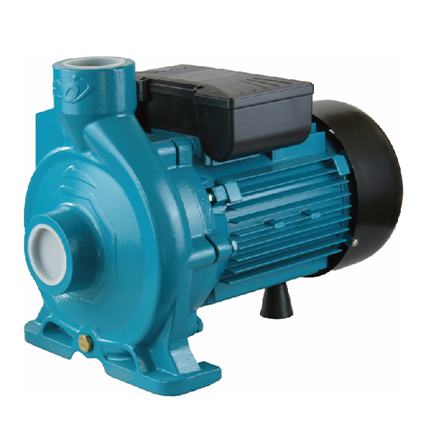
A centrifugal booster pump adds necessary kinetic energy to water so pressure increases at the required consumption point within a pressure booster system. However, selecting a unit solely by motor size or a headline pressure figure frequently leads to poor performance. The required operational duty changes dynamically based on incoming municipal or tank pressure, elevation differences, pipe friction losses, fittings, filters, check valves, and peak flow rates when multiple users draw water simultaneously. A booster pump setup that looks exceptional on paper can easily underperform if these real-world losses were ignored during planning.
Conversely, an oversized centrifugal booster pump creates its own set of operational headaches. It may reach the pressure cut-off setting too quickly, switch on and off repeatedly under low-demand conditions, waste electrical energy, or produce violent pressure swings that annoy users and strain internal components. The ultimate aim of any water pressure booster installation is never raw maximum pressure; rather, it is stable, appropriate pressure across the entire expected operating range. Many buyers initially compare a pressure booster system strictly by initial purchase price. Following a difficult installation, they quickly realize that proper suction conditions, exact duty points, and smart control logic determine whether a booster pump setup functions smoothly.
Determining the Real Duty Point Before Installation
Before selecting a water pressure booster, documenting exact operating conditions is essential. Measure the lowest available inlet pressure rather than relying on readings taken during quiet periods. Identify the required dynamic pressure at the most demanding outlet or process point. Then, account accurately for vertical lift and pressure losses through suction and discharge pipework, fittings, water treatment equipment, flow meters, and isolation valves.
Pumping duty represents a direct relationship between flow and head. Higher flow generally increases friction loss, meaning a centrifugal booster pump must be verified against a complete pump performance curve rather than chosen from a single static pressure number.
-
Flow demand: Evaluate normal, peak, and low-flow conditions across daily cycles to size your pressure booster system accurately.
-
Pressure target: Define the precise pressure needed where water is consumed, not just at the discharge outlet of your booster pump setup.
-
Inlet condition: Confirm the lowest suction pressure and verify whether the source can sustain continuous draw for your water pressure booster.
-
System resistance: Factor in elevation changes, pipe diameters, total run lengths, fittings, and filtration devices for any centrifugal booster pump.
Armed with these inputs, the pressure booster system can be evaluated precisely at its intended operating point. This structured approach also reveals whether a single fixed-speed centrifugal booster pump, staged units, or a variable-speed package best fits the facility's demand profile.
Protecting the Suction Side and Optimizing Flow
A water pressure booster cannot magically correct a restricted, starved, or unstable water source. Poor suction piping frequently results in cavitation noise, erratic flow performance, excessive seal stress, and a reduced ability to meet peak demand. Keep the suction route practical and correctly sized during any booster pump setup, avoid unnecessary right-angle restrictions, and ensure isolation arrangements permit easy service without creating a hidden flow bottleneck.
Where applications require it, a correctly oriented check valve prevents dangerous reverse flow, while strainers and particulate filters require regular maintenance so they never transform into major sources of pressure drop within a pressure booster system. The installation layout must strictly respect the manufacturer's instructions and local plumbing codes. Operating outside specified inlet limits compromises both safety and equipment lifespan for any centrifugal booster pump.
Booster Pump Setup Comparison Guide
| System Component | Primary Function | Key Setup Consideration | Best Practice |
| Suction Piping | Delivers water to inlet | Avoid restrictions & air pockets | Keep runs short, direct, and airtight |
| Pressure Tank | Absorbs minor draws & stops cycling | Sizing and air precharge pressure | Match precharge to system cut-in pressure |
| Electronic Controls | Regulates motor speed & start cycles | Sensor placement & response tuning | Use variable frequency drives for stability |
| Electrical Protection | Prevents motor burnout & dry run | Overload and low-water safeguards | Test safety cut-offs during commissioning |
Coordinating Controls and Pressure Tanks
Controls dictate precisely when a water pressure booster starts, stops, accelerates, or slows down. A basic pressure switch suits modest, predictable applications, whereas a precision pressure sensor combined with a variable-frequency drive helps a booster pump setup respond smoothly when water demand fluctuates. Neither approach is universally superior; the optimal choice depends on the flow profile, required pressure stability, maintenance capability, and project budget.
Furthermore, a pressure tank is far more than a simple accessory in a pressure booster system. It supplies small water draws while the centrifugal booster pump remains switched off, substantially reducing rapid restarting and motor wear. Tank volume, connection placement, air precharge, and pressure differential settings must work in total harmony. An incorrectly set or undersized tank contributes directly to short-cycling rather than preventing it. For multi-pump installations, lead-lag sequencing and automatic alternation distribute operating hours evenly while low-water cut-offs add vital operational resilience.
Commissioning and Ongoing Maintenance Strategies
Commissioning turns a finished installation into a fully verified, reliable water pressure booster network. Begin by confirming that the entire network is filled and properly vented, isolation valves are correctly positioned, and electrical motor protections are calibrated. Operate the booster pump setup through realistic demand cycles, checking pressures at multiple locations, inspecting for leaks, and listening for unusual vibration.
-
Confirm inlet supply and inspect all suction-side restrictions across your pressure booster system.
-
Verify motor rotation, electrical safety protection, and controller settings for your centrifugal booster pump.
-
Test pressure response under low, normal, and peak demand conditions during your booster pump setup.
-
Inspect thoroughly for fluid leaks, mechanical vibration, noise, and unwanted short-cycling on any water pressure booster.
-
Document final operating settings and provide clear maintenance instructions to operators.
A dependable booster pump setup includes a proactive maintenance plan. Periodically inspect for seal leakage, abnormal acoustic noise, loose structural supports, blocked strainers, and shifts in pressure behavior. Review control alarms and cycling frequencies regularly, as gradual performance changes often indicate a developing pipe restriction or pressure tank issue. For global distributors and project managers sourcing complete fluid solutions, partnering with an integrated manufacturer like Flyaway simplifies procurement across compatible pumps, motors, and control accessories while ensuring reliable hydraulic performance tailored to exacting site conditions.






