
 EN
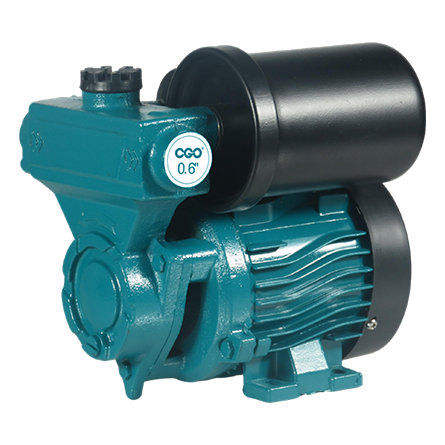
Why a Circulation Pump Matters in Closed Loops
A circulation pump does much more than simply push water from one location to another. In closed-loop heating, cooling, domestic hot-water, or industrial process systems, it keeps the working fluid moving at the precise rate required to transfer thermal energy, maintain steady temperature consistency, and ensure stable overall operation. When a circulator is poorly selected, incorrectly installed, or left running far outside its intended duty point, the negative effects quickly show up as uneven room temperatures, spiking energy bills, annoying pipe noise, trapped air problems, and premature mechanical wear.
From a practical operations perspective, it helps to view a circulation pump as a vital heartbeat within a complete loop rather than as an isolated machine. The surrounding piping, control valves, heat exchangers, filters, terminal units, and fluid condition all directly influence the final outcome. Recognizing this broader ecosystem makes professional equipment selection and routine maintenance much easier to manage correctly.
What a Circulation Pump Actually Does in a Closed Loop
A circulation pump constantly maintains fluid flow around a continuous hydraulic circuit. In a standard hydronic heating system, it carries heated water from a boiler or heat source through distribution piping and room heat emitters before returning the cooled fluid to be reheated. In cooling or industrial process service, it moves chilled or process fluids through specialized equipment designed to absorb or reject heat. In domestic hot-water recirculation setups, it significantly reduces the time users have to wait for hot water to arrive at distant plumbing fixtures.
Unlike a standard utility transfer pump that might lift water up from an open source into a storage tank, a circulation pump typically operates in a closed loop where the vertical elevation rise on the supply side is largely balanced out by the return side. However, that does not mean the pump has zero heavy lifting to do. It must still overcome continuous hydraulic friction losses generated through pipes, elbows, strainers, control valves, heat exchangers, and various other internal restrictions. The required flow rate combined with the overall loop resistance determines the ideal operating duty point.
Why Continuous and Controlled Flow Matters
Thermal equipment heavily relies on consistent fluid movement. If the flow rate running through a coil, boiler, heat exchanger, or radiant floor circuit drops too low, the system simply cannot deliver its expected heating or cooling capacity. Room temperatures quickly become uneven, response times drag out, and protective system controls may trigger safety lockouts. Conversely, if the fluid flow is pushed too high, fluid velocity, rushing noise, pumping energy consumption, and erosion risks all increase dramatically. A properly applied circulation pump keeps the entire system operating safely within its sweet spot.
There are also clear user comfort and process-quality benefits to proper flow control. A well-balanced hydraulic loop distributes an appropriate share of flow to every branch circuit instead of letting nearby or low-resistance loops hog most of the volume. This balance is especially critical in multi-zone residential setups, long pipe runs, and commercial installations where operational loads fluctuate wildly throughout the day.
Selection Starts with the System, Not Just Motor Size
A frequent mistake made during equipment procurement is choosing a larger circulation pump simply to build in an arbitrary safety margin. More motor power is definitely not automatically better. An oversized unit drives excessive flow rates, amplifies pipe noise, makes hydraulic balancing extremely difficult, and burns through unnecessary electricity. On the other hand, an undersized unit leaves remote zones starved of flow and ruins thermal transfer performance.
Proper selection should always begin by answering two fundamental questions: exactly what flow rate must the circuit deliver, and what total pressure drop will the circuit create at that specific flow? Engineers or qualified technicians calculate this resistance based on pipe sizing, total run length, fittings, valves, heat exchangers, and operating temperatures. The chosen pump curve should intersect the system resistance curve smoothly near the intended duty point.
Essential Information to Collect Before Sizing
Before ordering or requesting technical equipment recommendations, gather accurate data regarding your specific project setup:
-
Required flow volume for the heating, cooling, recirculation, or process load.
-
Exact pipe material, inner diameter, total run length, and major fittings.
-
Pressure drops across heat exchangers, strainers, control valves, and meters.
-
Working fluid temperature, viscosity, water quality, and chemical treatment details.
-
Power supply specifications, operating schedules, installation space, and control methods.
Providing these precise details helps technical teams recommend a circulation pump that matches your actual loop. Vague requests based only on pipe connection sizes or old motor nameplates often lead to costly sizing errors.
Energy Efficiency Is a System-Wide Issue
The electrical energy consumed by a circulation pump is influenced by overall hydraulic efficiency, motor performance, speed control capabilities, and total system resistance. A dirty strainer, partially closed balancing valve, fouled heat exchanger, or poorly designed branch can force a pump to operate under severe stress. Regulatory efficiency standards around the world continue to push for better circulator pump designs, reinforcing the necessity of careful selection and operation.
However, choosing the lowest rated electrical input does not automatically result in the lowest utility operating cost. A pump must still successfully deliver the required flow against the correct system pressure. The smarter approach is to eliminate avoidable pipe restrictions, match the pump curve precisely to the duty point, and commission smart controls so the system never circulates more fluid than necessary.
Installation, Commissioning, and Maintenance Best Practices
Even an ideal circulation pump will underperform if field installation details are neglected. The physical direction of flow must match the arrow cast into the pump housing. Pipework should be independently supported so it does not place physical weight stress on the pump casing. Including isolation valves and accessible strainers makes future servicing quick and clean. Furthermore, correct air venting prevents trapped air pockets that choke flow rates and generate annoying noises.
Routine maintenance signs should never be ignored. New rattling, vibrating, or humming sounds often point to air binding, cavitation, bearing wear, or an incorrect operating point. Falling differential temperature performance across heat exchangers can indicate low flow or internal fouling. Addressing these symptoms early prevents unexpected equipment failure and ensures reliable long-term system performance. When sourcing durable equipment and technical guidance for your fluid handling projects, Flyaway provides reliable manufacturing solutions and expert pre-sales support designed to keep your systems running efficiently.






