
 EN
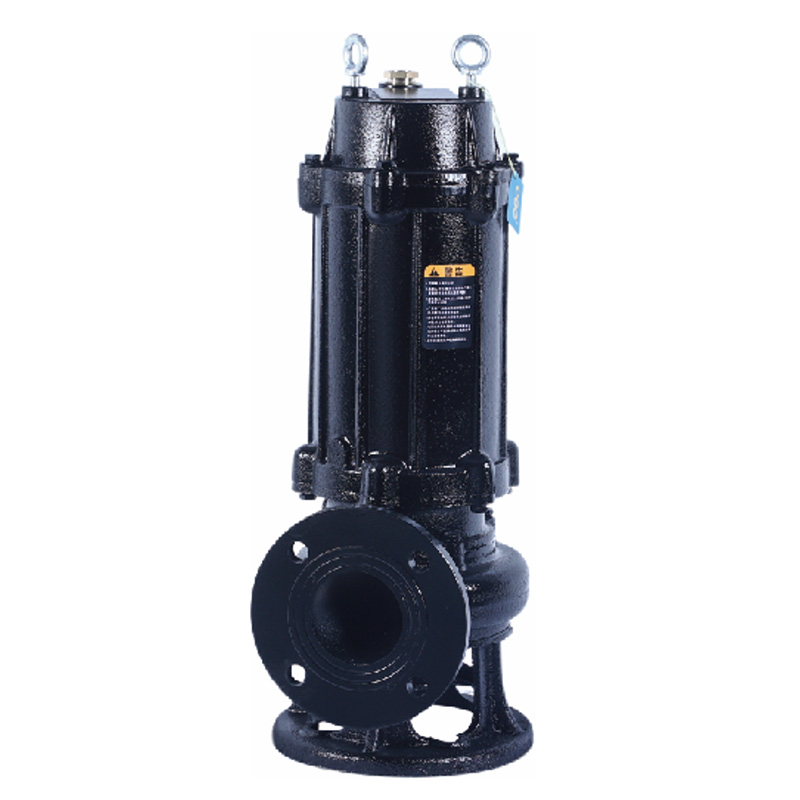
Wet-End Metallurgy and Shaft Seal Protection
Because a submersible transfer pump operates fully submerged within the liquid it transports, equipment service life depends on wet-end structural integrity and shaft sealing barriers. Once process fluid bypasses mechanical seal faces, catastrophic stator winding burnout happens in minutes. Preventing moisture penetration requires durable component metallurgy paired with precision mechanical shaft seals.
Standard gray cast iron casings offer cost-effective structural strength and vibration dampening for standard civil drainage sumps. However, chemical washdowns, coastal sumps, and aggressive manufacturing waste demand austenitic stainless steel or duplex alloys to withstand severe pitting corrosion. Impeller architecture must match solids profiles directly. While closed impellers maximize hydraulic efficiency in clean liquid applications, recessed vortex impellers create a liquid swirl that passes stringy solids without impeller vane contact.
Wet-End Component
Material Options
Recommended Operating Conditions
Failure Risk If Mismatched
Volute Casing
Ductile Iron or AISI 316 Stainless
High-volume industrial drainage and chemical transfer
Casing wall thinning, pitting, and pressure breach
Impeller Profile
Recessed Vortex or Semi-Open Chrome
Heavy slurries containing stringy or abrasive solids
Impeller binding, motor stalling, and thermal tripping
Primary Seal Faces
Silicon Carbide against Silicon Carbide
Abrasive slurries carrying sharp silica sand particles
Seal face scoring, frictional thermal cracks, fluid leaks
Secondary Seal Faces
Carbon against Ceramic Faces
Clean utility applications and neutral water transfer
Premature face fracture when exposed to gritty media
Internal Elastomers
Fluoroelastomers like FKM or Viton
Hydrocarbon fluids, industrial solvents, hot washdown
O-ring swelling, hardening, and complete seal tension loss
| Wet-End Component | Material Options | Recommended Operating Conditions | Failure Risk If Mismatched |
|---|---|---|---|
| Volute Casing | Ductile Iron or AISI 316 Stainless | High-volume industrial drainage and chemical transfer | Casing wall thinning, pitting, and pressure breach |
| Impeller Profile | Recessed Vortex or Semi-Open Chrome | Heavy slurries containing stringy or abrasive solids | Impeller binding, motor stalling, and thermal tripping |
| Primary Seal Faces | Silicon Carbide against Silicon Carbide | Abrasive slurries carrying sharp silica sand particles | Seal face scoring, frictional thermal cracks, fluid leaks |
| Secondary Seal Faces | Carbon against Ceramic Faces | Clean utility applications and neutral water transfer | Premature face fracture when exposed to gritty media |
| Internal Elastomers | Fluoroelastomers like FKM or Viton | Hydrocarbon fluids, industrial solvents, hot washdown | O-ring swelling, hardening, and complete seal tension loss |
Specifying dual mechanical shaft seals isolated inside an independent oil inspection chamber establishes a multi-barrier defense, ensuring long operational life for any heavy-duty industrial dewatering pump.
Thermal Management and Automated Safeguards
Heat dissipation presents a constant engineering hurdle for any submersible utility pump. Lacking external fan shrouds, submerged motors depend on surrounding liquid to conduct heat away from stator housings. When a fluid transfer pump runs in shallow sumps or operates partially un-submerged during final drawdown cycles, internal motor heat builds up rapidly.
Circulating cooling jackets solve this restriction by channeling discharge media over the motor stator casing before expelling it through the discharge flange. This continuous liquid convection keeps motor windings within safe operating temperature limits even during extended low-water pumping. Electronic liquid level controls prevent dry-run damage, which can destroy precision mechanical seal faces in seconds. Internal thermal switches embedded inside motor windings provide vital fail-safe cutoffs before insulation breakdown occurs.
Protection System
Working Principle
Key Engineering Benefit
Common Industrial Setting
Internal Cooling Jackets
Diverts pumped liquid across motor stator shell
Prevents thermal shutdown during low-level pumping
Shallow basin dewatering and industrial sump drainage
Thermal Overload Switches
Monitors internal copper winding temperatures
Disconnects electrical supply before coil insulation melts
Automated wastewater sumps with cyclic run patterns
Conductive Level Probes
Senses liquid presence using electrical continuity
Prevents mechanical hang-ups caused by floating grease
Food manufacturing wash bays and grease collection sumps
Phase Monitor Modules
Tracks line voltage drops, phase reversal, and loss
Shields three-phase motor windings from electrical burn
Remote job sites running on portable field generators
| Protection System | Working Principle | Key Engineering Benefit | Common Industrial Setting |
|---|---|---|---|
| Internal Cooling Jackets | Diverts pumped liquid across motor stator shell | Prevents thermal shutdown during low-level pumping | Shallow basin dewatering and industrial sump drainage |
| Thermal Overload Switches | Monitors internal copper winding temperatures | Disconnects electrical supply before coil insulation melts | Automated wastewater sumps with cyclic run patterns |
| Conductive Level Probes | Senses liquid presence using electrical continuity | Prevents mechanical hang-ups caused by floating grease | Food manufacturing wash bays and grease collection sumps |
| Phase Monitor Modules | Tracks line voltage drops, phase reversal, and loss | Shields three-phase motor windings from electrical burn | Remote job sites running on portable field generators |
Deploying advanced automated monitoring modules allows each fluid transfer pump to handle unpredictable pumping cycles without requiring manual supervision.
Diagnostic Framework for Field Transfer Bottlenecks
Even a correctly specified industrial dewatering pump encounters performance bottlenecks when field conditions shift. Systematic troubleshooting isolates mechanical and electrical issues before minor component wear causes full system failure.
Observable Symptom
Potential Root Cause
Corrective Engineering Action
Motor runs smoothly but delivers zero liquid
Air pocket locked in volute casing or reverse rotation
Bleed casing air lock; swap two electrical phase leads
Loud vibration accompanied by grinding noise
Intake clogged by debris or severe cavitation suction
Clear intake strainer; increase submergence depth
Frequent tripping of thermal circuit breaker
Excessive fluid viscosity or incoming voltage drop
Check media specific gravity; stabilize line power supply
Gradual decrease in volumetric discharge flow
Excessive wear ring clearance or heavy pipe scaling
Replace sacrificial wear plates; flush discharge piping
Moisture probe triggers warning in oil chamber
Primary mechanical seal worn by abrasive grit
Replace mechanical seal pack; check shaft concentricity
| Observable Symptom | Potential Root Cause | Corrective Engineering Action |
|---|---|---|
| Motor runs smoothly but delivers zero liquid | Air pocket locked in volute casing or reverse rotation | Bleed casing air lock; swap two electrical phase leads |
| Loud vibration accompanied by grinding noise | Intake clogged by debris or severe cavitation suction | Clear intake strainer; increase submergence depth |
| Frequent tripping of thermal circuit breaker | Excessive fluid viscosity or incoming voltage drop | Check media specific gravity; stabilize line power supply |
| Gradual decrease in volumetric discharge flow | Excessive wear ring clearance or heavy pipe scaling | Replace sacrificial wear plates; flush discharge piping |
| Moisture probe triggers warning in oil chamber | Primary mechanical seal worn by abrasive grit | Replace mechanical seal pack; check shaft concentricity |
Disciplined diagnostics maintain high uptime across any industrial submersible transfer pump network, avoiding costly plant shutdowns.
Precision Manufacturing and Global Supply Support
Consistent field performance relies on tight machining tolerances, dynamic rotor balancing, and rigorous hydraulic testing. Flyaway engineers and manufactures an extensive portfolio of heavy-duty drainage systems, submersible utility pump assemblies, and industrial dewatering pump units designed for international distribution.
Utilizing multi-axis CNC machining centers, automated stator winding cells, and digital hydrostatic test basins, Flyaway subjects every finished fluid transfer pump to full pressure and electrical load testing before dispatch. Strict adherence to international quality protocols, including ISO 9001, CE, and RoHS standards, guarantees dependable operation in municipal, agricultural, mining, and industrial process settings.
For global pump distributors, engineering contractors, and brand owners, Flyaway delivers comprehensive OEM and ODM production services:
Manufacturing Capability
Technical Specification
Engineering and Commercial Value
Custom Hydraulic Profiling
Bespoke impeller trimming and specialized volute paths
Tailors head and capacity curves to exact system duties
Specialized Metallurgy
Ductile iron, high-chrome alloys, AISI 304, AISI 316
Guarantees chemical and wear resistance in extreme sumps
Private-Label Manufacturing
Custom cast branding, custom powder coatings, packaging
Enhances distributor brand equity in regional markets
Supply Chain Integration
Containerized freight consolidation and stable schedules
Minimizes lead times and safeguards wholesale inventory
| Manufacturing Capability | Technical Specification | Engineering and Commercial Value |
|---|---|---|
| Custom Hydraulic Profiling | Bespoke impeller trimming and specialized volute paths | Tailors head and capacity curves to exact system duties |
| Specialized Metallurgy | Ductile iron, high-chrome alloys, AISI 304, AISI 316 | Guarantees chemical and wear resistance in extreme sumps |
| Private-Label Manufacturing | Custom cast branding, custom powder coatings, packaging | Enhances distributor brand equity in regional markets |
| Supply Chain Integration | Containerized freight consolidation and stable schedules | Minimizes lead times and safeguards wholesale inventory |






