 EN
What Is a Water Pump Used For?
2026/10/17
Discover what a water pump is used for across homes, farms, and sites. Learn how Flyaway provides durable manufacturing and supply solutions.

2026/09/13
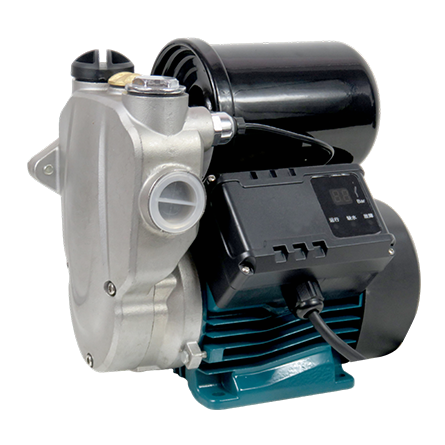
When planning to upgrade or configure a residential supply network, choosing the proper equipment is crucial for daily comfort, and selecting an efficient small water pump for home use stands at the center of this process. Based on practical, hands-on installation experiences and extensive technical field evaluations conducted across residential neighborhoods by our engineering team at Flyaway, low water pressure or erratic municipal supply can severely disrupt essential daily activities such as showering, washing dishes, and operating washing machines. Before purchasing any pump, homeowners must carefully evaluate their total plumbing layout, peak water consumption hours, and the specific pressure requirements of their household fixtures to ensure optimal performance. Understanding these foundational hydraulic factors prevents system bottlenecks and ensures that every corner of your property receives a steady, reliable stream of water without unnecessary pressure drops or mechanical strain during peak operational hours. Furthermore, calculating the exact elevation changes from the water source to your distribution points guarantees that your chosen small water pump for home use will operate well within its optimal efficiency curve, avoiding premature wear and tear on the internal motor components.
Navigating the technical specifications of domestic pumps requires understanding the core differences between surface centrifugal models, such as the CM series, and automatic self-priming solutions like the Flyaway GS100 range. Centrifugal pumps are exceptional for steady pressure boosting from existing pressurized lines or dedicated storage tanks, whereas self-priming pumps effortlessly manage and expel air trapped in the suction line during the initial priming stage, greatly simplifying setup above shallow water sources, wells, or residential cisterns. According to plumbing standards and field engineering guidelines, selecting a pump with matched inlet and outlet configurations—typically standard 1 inch by 1 inch connections—ensures seamless integration into existing home plumbing infrastructure without causing turbulent flow losses or joint leakage. Furthermore, recognizing how different pump designs handle varying suction lifts allows installers to optimize fluid dynamics and protect the hydraulic core from premature cavitation damage. For any domestic setting requiring a small water pump for home use, matching the correct pump category to your specific fluid source is the single most important step in achieving long-term hydraulic stability.
Carefully reviewing technical data parameters is essential to match a pump’s hydraulic capacity precisely with your unique household requirements. For compact domestic duties, the Flyaway GS100 automatic self-priming pump model is rated at 0.1 kW (0.13 HP), delivering a maximum flow of 1.5 m³/h and a maximum head of 21 meters, while higher-spec STM models like the STM750 reach up to 3.0 m³/h and 50 meters of total head. In addition to performance curves, reliable residential pumps feature robust structural elements such as a heavy-duty cast iron pump body, an aluminum alloy motor housing, a durable brass impeller, and an IP44-protected motor equipped with a built-in thermal protector for continuous S1 operation and safe handling of clean water up to 60 °C. Evaluating these material specifications guarantees long-term corrosion resistance, superior thermal dissipation, and consistent mechanical reliability under continuous load conditions. Selecting a durable small water pump for home use built with these premium materials ensures that your investment remains resilient against rust, mineral buildup, and rigorous daily usage cycles.
Modern residential properties demand high levels of automation and daily convenience to eliminate manual oversight during fluctuating water usage periods. Many compact domestic systems include automatic variants outfitted with an integrated pressure-switch control mechanism that responds instantly to demand-based operation, starting the motor automatically when a tap opens and stopping it smoothly when flow ceases. Professional engineering insights highlight that incorporating automatic pressure-switch layouts prevents dry-running risks, stabilizes line pressure during multi-story water tower feeding or garden lawn irrigation, and significantly reduces mechanical fatigue on internal valves, pipe joints, and connected home appliances. This automated oversight not only safeguards the equipment against unexpected thermal overloads and dry running but also optimizes overall energy consumption by running the motor strictly when active fluid demand is detected. When integrating a modern small water pump for home use into your domestic infrastructure, opting for an automated pressure-control layout significantly enhances day-to-day operational safety and user comfort.
Even the highest-quality motor pump will underperform if physical installation parameters and maintenance schedules are ignored or neglected. Technical experts at Flyaway always emphasize that maintaining a maximum suction lift of up to 9 meters requires meticulous pipe sealing, appropriate pipe diameters, and careful elevation management to prevent air leaks and destructive cavitation. Routine maintenance—such as checking suction line integrity, keeping external cooling ventilation paths clear of debris, and monitoring thermal protector responses—guarantees long-term operational stability, protects internal hydraulic components, and ensures a dependable, unfluctuating water supply for your household over years of continuous service. By following these structured installation guidelines and practicing proactive preventive maintenance, homeowners can maximize the lifespan of their investment and maintain peak hydraulic efficiency year-round. Committing to proper upkeep for your small water pump for home use will ultimately eliminate unexpected breakdowns and guarantee an uninterrupted supply of clean water for all your domestic applications.

2026/10/17
Discover what a water pump is used for across homes, farms, and sites. Learn how Flyaway provides durable manufacturing and supply solutions.

2026/10/17
Discover why knowing the correct pump size protects budgets and ensures system efficiency. Learn sizing steps and Flyaway pump solutions.

2026/10/17
Discover how to choose the right farm water pump. Learn about head, flow, solar options, and reliable pump solutions by Flyaway.

2026/10/17
Discover how a small self priming water pump can simplify home water transfer, plus key installation and sizing checks.

2026/10/17
Learn how to choose a booster pump by evaluating flow, head, curves, and controls. Discover reliable pump solutions built by Flyaway.

2026/10/17
Learn the core benefits of a self priming well pump for shallow wells. Discover selection tips, operation limits, and how Flyaway delivers quality pumps.
