 EN
What Is a Water Pump Used For?
2026/10/17
Discover what a water pump is used for across homes, farms, and sites. Learn how Flyaway provides durable manufacturing and supply solutions.

2026/09/15
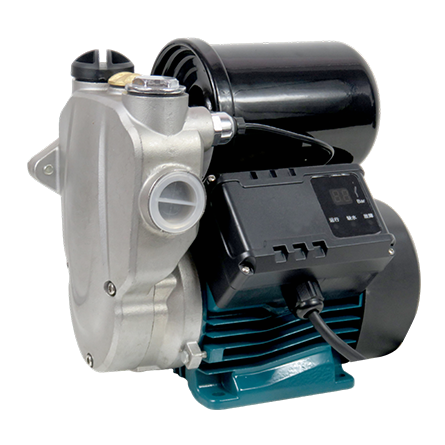
When planning any domestic, agricultural, or light commercial project, choosing the right equipment begins with a careful evaluation of your fluid dynamics and operating environment. As experienced engineers and manufacturers at Flyaway, we frequently advise clients that choosing a wsmall size water pump requires balancing flow rate, head pressure, and fluid characteristics. For clean-water supply, automatic boosting, or garden irrigation, understanding whether you are dealing with clean water or non-aggressive chemical fluids is the first critical step. Real-world engineering experience shows that misjudging the liquid type or temperature—such as exceeding standard limits like a maximum liquid temperature of 60 ℃—can lead to premature mechanical seal wear and system inefficiency. Analyzing your daily operational demands ensures that the equipment operates within its optimal hydraulic curve. To ensure long-term reliability, our technical team conducts rigorous testing on every single wsmall size water pump to verify structural integrity and hydraulic performance under simulated field conditions. Furthermore, master planning your piping network layout during this initial phase minimizes friction losses and prevents cavitation issues that commonly plague improper installations. Proper water pump selection directly dictates whether your installation will achieve maximum efficiency or suffer from constant maintenance headaches, making thorough pre-installation analysis an absolute necessity for project success. A reliable wsmall size water pump paired with intelligent water pump selection strategies guarantees long-term durability, minimizing downtime across complex domestic applications. Every specialized wsmall size water pump requires careful water pump selection during the planning phase.
A successful water pump selection process relies heavily on matching technical specifications with physical project constraints. When examining compact surface options, such as the GS100 series ranging from 0.1 kW to 0.75 kW, you must look closely at performance metrics such as maximum flow rates (typically 1.5 to 3.0 m³/h) and maximum head pressures (ranging from 21 m to 50 m). Furthermore, material composition dictates durability and longevity under continuous operation. Premium models incorporate robust cast iron hydraulic parts, durable brass impellers, and aluminum alloy motor housings to resist corrosion and mechanical stress. Ensuring that the motor features proper external ventilation, IP44 protection, and a built-in thermal protector guarantees safe, continuous S1 duty work cycles, protecting your investment against unexpected thermal overloads. In addition, evaluating the insulation class of the motor windings—such as Class B or Class F insulation—provides an extra layer of security against moisture intrusion and high-ambient temperature challenges in demanding work environments. Every small water pump we manufacture undergoes strict quality control checks regarding material thickness, casing pressure resistance, and dynamic balancing of the rotating assembly. When undertaking a professional water pump selection review, engineers must evaluate whether a small water pump matches the required duty point on the manufacturer's performance chart to prevent energy wastage and premature hydraulic component fatigue. Proper small water pump integration through careful water pump selection ensures optimal hydraulic performance. Each deployed small water pump benefits from precise water pump selection.
Proper installation is just as crucial as equipment specification in achieving reliable water transfer performance. A wsmall size water pump often relies on self-accessibility to manage air in the suction line during priming, supporting shallow-source lifting up to a standard 9-meter maximum suction lift under ideal conditions. However, practical field experience demonstrates that suction pipe sealing, source level variations, pipe diameter, and elevation changes directly impact actual operating results. Using standard 1-inch inlet and outlet connections matching your plumbing layout helps minimize friction losses. Ensuring the installation site is properly enclosed or protected against inclement weather prevents external environmental damage, maintaining steady hydraulic efficiency across all domestic and small-scale agricultural applications. Moreover, installing foot valves or check valves on the suction line prevents backflow and maintains prime, ensuring that the pump starts instantly without dry-running risks that could damage internal mechanical seals and impellers over extended usage periods. During the initial water pump selection phase, accounting for site-specific suction limitations ensures that your chosen small water pump operates smoothly without vapor lock or priming failure, securing uninterrupted water delivery across all connected household or agricultural plumbing networks. Every deployed small water pump benefits immensely from precision water pump selection and proper layout optimization. Effective water pump selection guarantees that your small water pump performs reliably.
Modern project designs frequently demand automated control to handle fluctuating water demands seamlessly. Depending on whether your system requires constant pressure or intermittent supply, integrating automatic models equipped with pressure-switch control can greatly enhance user convenience and operational safety. At Flyaway, we supply units designed to accommodate various electrical standards, including standard 220V/50Hz power supplies alongside optional 110V/60Hz and 220V/60Hz configurations upon request. Verifying local electrical compatibility before installation prevents voltage drop issues and motor stalling. By carefully assessing whether an automatic self-priming mechanism or a manual switch suits your layout, you can achieve a reliable, energy-efficient water distribution system tailored precisely to your project's operational schedule. Additionally, incorporating surge protectors and proper grounding circuits safeguards the sensitive electronic components and motor windings against lightning strikes or unexpected grid fluctuations, ensuring uninterrupted service life. Careful consideration of electrical specifications during the final stages of water pump selection ensures that your selected small water pump operates harmoniously within your existing infrastructure, providing safe, reliable, and energy-efficient water booster performance year after year. Every advanced water pump selection procedure must integrate electrical compatibility alongside a dependable small water pump unit. Comprehensive water pump selection rounds out proper small water pump installation.

2026/10/17
Discover what a water pump is used for across homes, farms, and sites. Learn how Flyaway provides durable manufacturing and supply solutions.

2026/10/17
Discover why knowing the correct pump size protects budgets and ensures system efficiency. Learn sizing steps and Flyaway pump solutions.

2026/10/17
Discover how to choose the right farm water pump. Learn about head, flow, solar options, and reliable pump solutions by Flyaway.

2026/10/17
Discover how a small self priming water pump can simplify home water transfer, plus key installation and sizing checks.

2026/10/17
Learn how to choose a booster pump by evaluating flow, head, curves, and controls. Discover reliable pump solutions built by Flyaway.

2026/10/17
Learn the core benefits of a self priming well pump for shallow wells. Discover selection tips, operation limits, and how Flyaway delivers quality pumps.
