
 EN
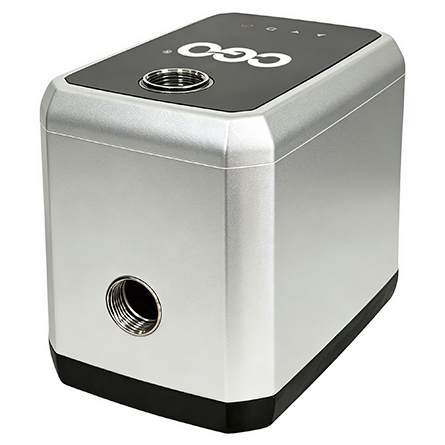
Low Water Pressure? How to Choose a Shower Head Pressure Booster
Dealing with a weak, trickling shower can turn your morning routine into a daily frustration. Standing under a disappointing stream makes you want to immediately look for a quick fix online. However, rushing out to buy a shower head pressure booster without finding the root cause of the problem usually leads to wasted money and lingering low flow. Choosing the right shower head pressure booster requires careful planning.
When you notice weak spray, a proper shower head pressure booster can improve the overall feel of your water, but it cannot create additional pressure upstream of the fixture. The term shower head pressure booster can mean a few different things depending on your setup. It might refer to a specialized high-pressure shower head, a compact in-line flow device, or a full whole-home booster pump. Because each option solves a completely different issue, the smartest approach is to start with a quick, practical diagnosis before shopping for equipment. Matching the hardware to your actual water system rather than a catchy package label saves time, money, and unnecessary plumbing headaches with your shower head pressure booster.
Pinpointing the Real Cause of Low Pressure
Before investing in new hardware, take a close look at how water behaves across your property. Stand under the shower and notice the specific symptoms before installing any shower head pressure booster. Is the spray weak at only one bathroom, or does it improve when no other taps, toilets, or washing machines are running? Knowing whether the whole house is affected changes your entire strategy.
-
Localized issues: If only one shower is weak, you might be dealing with mineral scale, a blocked filter, a partly closed isolation valve, a kinked hose, or a restrictive shower head before opting for a shower head pressure booster.
-
System-wide drops: If several fixtures weaken together, the issue likely lies deeper within the main supply line, pressure regulator, pipe sizing, or storage tank capacity rather than a simple shower head pressure booster fix.
-
Demand-based drops: Pressure that feels fine initially but drops dramatically during use signals a flow capacity constraint rather than a static pressure problem, meaning your supply lines cannot keep up with high household demand without a reliable shower head pressure booster.
Simple maintenance steps like cleaning the shower head, checking accessible valves, and clearing out sediment will often restore performance without needing a shower head pressure booster pump at all.
Choosing Between a Fixture Upgrade and a System Pump
When troubleshooting points to the hardware itself, a high-pressure shower head is often the most sensible first step. This is a fixture choice rather than an engineering overhaul. Modern high-pressure designs reshape available flow into targeted, energizing jets, making the most of what your pipes already deliver.
However, if diagnostic checks reveal consistently low incoming pressure across the entire property, or if an elevated storage tank lacks the necessary head to create gravity pressure, a fixture upgrade will not be enough. This is when a pump-based shower head pressure booster becomes necessary.
System-wide pumps raise and maintain pressure across defined water lines, ensuring steady streams even when multiple bathrooms run simultaneously. Transitioning to a motorized shower head pressure booster introduces important considerations beyond basic plumbing, including electrical supply requirements, operating noise, dry-run protection, pipe connections, and local building codes.
Key Factors in Selecting a Reliable Booster System
Selecting the right pump requires looking past marketing claims and focusing on real operating conditions. A successful installation of any shower head pressure booster depends heavily on matching equipment to your actual duty point.
-
Evaluate actual flow and head: Instead of choosing a unit solely by its maximum pressure headline, evaluate how much flow the system must deliver while maintaining adequate pressure at the shower head with your shower head pressure booster. Account for simultaneous household demand, vertical height differences, and friction losses.
-
Assess the water source: Municipal mains, roof storage tanks, ground-level cisterns, and private wells each demand unique plumbing arrangements for a shower head pressure booster. Confirming tank intake flow and integrating dry-run protection prevents motor burnout.
-
Incorporate smart controls: Complete systems generally perform best when paired with complementary pressure controllers or small pressure tanks to prevent rapid motor cycling and smooth out water delivery from your shower head pressure booster.
-
Manage electrical safety and noise: Verify local voltage and frequency requirements. Professional installers mitigate noise and vibration by utilizing vibration isolation pads and flexible pipe connectors for the shower head pressure booster.
Homeowners seeking robust engineering and dependable performance often look to established manufacturers. Equipment engineered by Flyaway provides reliable fluid delivery solutions, offering specialized pressure-control accessories and technical pre-sales support when buyers share their exact operating parameters. Selecting a reliable shower head pressure booster from Flyaway ensures long-term system stability and optimal performance.
Pre-Purchase Checklist & Avoiding Common Pitfalls
Before requesting a professional installation quote for a shower head pressure booster, gather key details about your plumbing layout:
-
Record whether the weak pressure affects a single shower, an entire bathroom, or every outlet in the home.
-
Note exactly when the issue occurs, whether it remains constant all day, spikes during peak hours, or drops as storage tanks empty.
-
Identify your primary water source and note the presence of pressure regulators or existing pumps.
-
Measure or estimate pipe diameters, pump-to-shower height, and the maximum number of fixtures running together.
The most frequent mistake homeowners make is confusing water flow with static pressure. A severely clogged shower head can feel weak even when supply pressure is optimal, while undersized supply pipes restrict flow regardless of gauge readings. Another common pitfall involves oversizing your shower head pressure booster, which can create disruptive noise, pipe hammering, and excessive pressure that damages older residential fittings. Contact a qualified plumber or water-system technician if you notice sudden pressure drops, persistent pipe banging, or if your shower head pressure booster runs continuously.






