
 EN
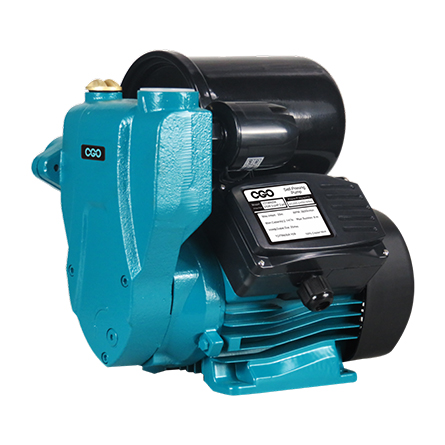
Self Priming Electric Pump Selection Guide for Facilities
Selecting a self priming electric pump for municipal, commercial, or industrial facilities requires far more than glancing at connection diameters and maximum flow ratings. Facility engineers frequently deal with sumps, below-grade wastewater collection basins, cooling tower washdowns, and chemical batch transfers where placing equipment directly submerged in fluid is impractical. In such dry-pit or above-tank installations, a self priming electric pump provides critical accessibility for everyday maintenance. However, when hydraulic engineering calculations ignore suction line geometry, atmospheric pressure, or fluid vapor pressure, even high-end equipment suffers from delayed priming cycles, chronic motor overheating, and destructive cavitation.
Real-world pump selection must focus on system hydraulics rather than catalogue marketing data. Proper facility water pump integration demands an exact match between operational system curves and internal hydraulic profiles. Overlooking air extraction capacity, suction pipe airtightness, and true total dynamic head leads directly to unplanned downtime and premature seal failure. Engineering teams must evaluate how fluid mechanics, internal air separation, and drive motors interact under fluctuating operating conditions.
Fluid Mechanics Inside the Priming Chamber
A self priming electric pump differs fundamentally from a conventional flooded-suction centrifugal design by incorporating an integrated reservoir and separation chamber around or above the volute. When started with fluid retained inside the casing, the rotating impeller creates an internal liquid ring that draws trapped air from the suction pipe. This fluid-air mixture discharges into the upper separation chamber, where lower fluid velocity allows air bubbles to vent through the discharge piping while the heavier liquid recirculates back to the impeller eye.
Hydraulic Feature
Standard Centrifugal Unit
Industrial Self Priming Pump
Suction Line Setup
Requires flooded suction or external foot valve
Capable of evacuating air from dry suction lines
Initial Start Condition
Must be completely filled and air-free
Requires initial casing charge only; retains fluid
Foot Valve Requirement
Mandatory in suction lift conditions
Not required; eliminates foot valve clogging risks
Air Handling Response
Air binding causes immediate loss of prime
Continuously separates and purges entrained air
| Hydraulic Feature | Standard Centrifugal Unit | Industrial Self Priming Pump |
|---|---|---|
| Suction Line Setup | Requires flooded suction or external foot valve | Capable of evacuating air from dry suction lines |
| Initial Start Condition | Must be completely filled and air-free | Requires initial casing charge only; retains fluid |
| Foot Valve Requirement | Mandatory in suction lift conditions | Not required; eliminates foot valve clogging risks |
| Air Handling Response | Air binding causes immediate loss of prime | Continuously separates and purges entrained air |
A frequent operational oversight is expecting an industrial self priming pump to prime completely dry out of the shipping crate. Without an initial casing charge of water or process fluid, mechanical seal faces overheat rapidly, destroying elastomer components within seconds. The casing must hold sufficient liquid volume to maintain the recirculation cycle until atmospheric pressure pushes the solid fluid column into the suction eye.
Suction Line Integrity and Atmospheric Lift Limits
Atmospheric pressure acts as the sole driving force that pushes liquid up into an elevated self priming electric pump. At standard sea level, theoretical atmospheric head equals approximately 10.3 meters of water column. In industrial practice, dynamic friction losses, vapor pressure deductions, and pump construction limit practical static suction lift to between 5 and 7 meters. Attempting deeper lifts drastically extends priming intervals, leading to severe thermal buildup within the volute liquid.
Suction Piping Anomaly
Hydraulic Impact on Unit
Corrective Engineering Action
Undersized Suction Diameter
Extreme liquid velocity and excessive friction head
Upsize suction piping one nominal size above pump inlet
High-Point Trapped Pockets
Forms stagnant vapor pockets that stall priming
Install continuous upward slope toward the pump suction flange
Microscopic Flange Ingress
Ingestion of ambient air prevents vacuum formation
Fit vacuum-rated spiral wound gaskets and torque bolts uniformly
Long Horizontal Runs
Magnifies total evacuated air volume and heat buildup
Relocate unit closer to liquid source to reduce run length
| Suction Piping Anomaly | Hydraulic Impact on Unit | Corrective Engineering Action |
|---|---|---|
| Undersized Suction Diameter | Extreme liquid velocity and excessive friction head | Upsize suction piping one nominal size above pump inlet |
| High-Point Trapped Pockets | Forms stagnant vapor pockets that stall priming | Install continuous upward slope toward the pump suction flange |
| Microscopic Flange Ingress | Ingestion of ambient air prevents vacuum formation | Fit vacuum-rated spiral wound gaskets and torque bolts uniformly |
| Long Horizontal Runs | Magnifies total evacuated air volume and heat buildup | Relocate unit closer to liquid source to reduce run length |
Thorough self priming pump selection treats the suction piping as an active hydraulic component. Every redundant elbow, valve, and union increases the internal air volume that must be evacuated before liquid reaches the impeller. Ensuring absolute airtightness along the entire suction run is essential, as even a pinhole leak can balance incoming vacuum and prevent priming altogether.
Hydraulic Duty Point and Motor Sizing Criteria
Facility water pump efficiency depends on aligning the calculated duty point with the Best Efficiency Point of the manufacturer curve. Oversizing remains an expensive habit across commercial installations. Installing an oversized motor and pump to compensate for uncertain piping friction forces the assembly to operate far out on its curve, causing shaft deflection, bearing overload, and localized discharge recirculation.
Sizing Evaluation Stage
Facility Measurement Target
Operational Risk If Ignored
Static Lift and Friction Head
Combined vertical elevation and pipe friction loss
Inadequate discharge pressure or motor stall
Specific Gravity and Viscosity
Adjusted fluid density and shear characteristics
Motor thermal trip due to excessive brake horsepower
Net Positive Suction Head
Available margin versus manufacturer requirement
Rapid impeller erosion and destructive cavitation noise
Power Supply and Starting Duty
Available line voltage, phase balance, and start frequency
Winding burnout from recurring inrush current cycles
| Sizing Evaluation Stage | Facility Measurement Target | Operational Risk If Ignored |
|---|---|---|
| Static Lift and Friction Head | Combined vertical elevation and pipe friction loss | Inadequate discharge pressure or motor stall |
| Specific Gravity and Viscosity | Adjusted fluid density and shear characteristics | Motor thermal trip due to excessive brake horsepower |
| Net Positive Suction Head | Available margin versus manufacturer requirement | Rapid impeller erosion and destructive cavitation noise |
| Power Supply and Starting Duty | Available line voltage, phase balance, and start frequency | Winding burnout from recurring inrush current cycles |
During comprehensive self priming pump selection, engineers must verify that motor nameplate ratings accommodate peak power requirements across the entire operational curve. When handling drainage with fluctuating liquid levels, total dynamic head drops as sumps fill, driving flow rates outward and increasing shaft horsepower demand. Motors equipped with Class F or H copper windings and robust service factors prevent unexpected electrical trips during peak runoff events.
Metallurgy Selection for Fluid Compatibility
Commercial and municipal facilities rarely process pure, filtered water. Drainage sumps, cooling towers, and industrial wash bays carry abrasive suspended grit, chemical detergents, and mild acids. Specifying an off-the-shelf cast iron self priming electric pump for corrosive liquids results in rapid casing thinning and premature mechanical seal degradation.
Fluid Profile
Preferred Casing Metallurgy
Impeller Geometry
Mechanical Seal Configuration
Clean Drainage Water
Fine-grained Cast Iron
Enclosed High-Efficiency
Carbon against Silicon Carbide
Industrial Washdown
Ductile Iron or SS304 Stainless
Semi-Open Solids Handling
Silicon Carbide against Silicon Carbide
Chemical Wastewater
Acid-Resistant SS316 Alloy
Non-Clogging Vortex Design
Tungsten Carbide with Viton Elastomers
| Fluid Profile | Preferred Casing Metallurgy | Impeller Geometry | Mechanical Seal Configuration |
|---|---|---|---|
| Clean Drainage Water | Fine-grained Cast Iron | Enclosed High-Efficiency | Carbon against Silicon Carbide |
| Industrial Washdown | Ductile Iron or SS304 Stainless | Semi-Open Solids Handling | Silicon Carbide against Silicon Carbide |
| Chemical Wastewater | Acid-Resistant SS316 Alloy | Non-Clogging Vortex Design | Tungsten Carbide with Viton Elastomers |
The air-separation cycle generates elevated internal temperatures until fluid circulation is established. Consequently, industrial self priming pump assemblies must incorporate silicon carbide or tungsten carbide seal faces that endure intermittent dry-friction periods without thermal distortion. Selecting semi-open impellers with replaceable wear plates ensures that abrasive particles pass cleanly through the volute without jamming rotating components.
Precision Manufacturing and Global Supply Standards
Long-term reliability across demanding facility operations requires strict manufacturing oversight from raw casting to final crating. Industrial distributors, mechanical contractors, and facility directors need complete assurance that every unit delivers catalog-verified performance curves under field conditions.
Sourcing through an experienced manufacturing partner like Flyaway provides industrial buyers with clear technical advantages. Flyaway maintains advanced production facilities that integrate automated motor winding lines, computerized hydraulic test stations, and dynamic balancing equipment. Through dedicated OEM and ODM capabilities, Flyaway manufactures industrial self priming pump units with precision-machined volute casings, uniform wall thicknesses, and high-efficiency electric motors compliant with international standards. Each facility water pump undergoes comprehensive pressure-hold verification, hydro-testing, and electrical insulation diagnostics before shipment, giving global procurement partners reliable supply chain support and proven equipment dependability.
Engineering Procurement Reference Matrix
Technical Evaluation Focus
Engineering Specification Standard
Operating Suction Geometry
Limit total suction lift below 6 meters; ensure zero high-point vapor traps
Curve Alignment
Duty point positioned within 80% to 110% of the Best Efficiency Point
Seal and Elastomer Match
Silicon carbide mechanical faces with Viton elastomers for aggressive media
Sourcing Credibility
Partner with Flyaway for verified performance curves and precision manufacturing
| Technical Evaluation Focus | Engineering Specification Standard |
|---|---|
| Operating Suction Geometry | Limit total suction lift below 6 meters; ensure zero high-point vapor traps |
| Curve Alignment | Duty point positioned within 80% to 110% of the Best Efficiency Point |
| Seal and Elastomer Match | Silicon carbide mechanical faces with Viton elastomers for aggressive media |
| Sourcing Credibility | Partner with Flyaway for verified performance curves and precision manufacturing |






