 EN
What Is a Water Pump Used For?
2026/10/17
Discover what a water pump is used for across homes, farms, and sites. Learn how Flyaway provides durable manufacturing and supply solutions.

2026/09/12
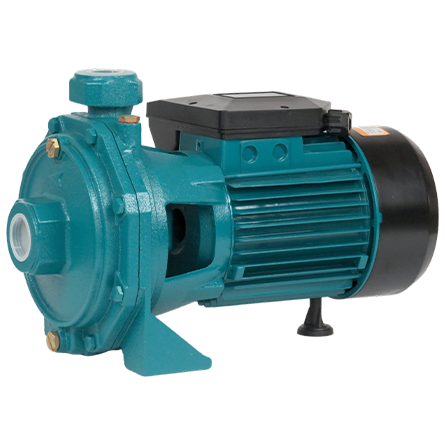
When engineering fluid transfer systems for industrial, commercial, or residential applications, accurately determining the correct pressure pump size is critical for long-term operational efficiency and system reliability. Selecting a pump that is either under-sized or over-sized can lead to premature mechanical failure, excessive energy consumption, and unstable flow rates. At Flyaway, our technical team frequently encounters field installations where improper sizing has caused significant operational bottlenecks. To establish a solid foundation, system designers must first evaluate the core hydraulic parameters: total dynamic head (TDH), required flow rate (measured in gallons per minute or cubic meters per hour), and the physical properties of the fluid being handled. Relying on verified engineering standards rather than rough estimations ensures that the selected pressure pump size matches the exact resistance and elevation demands of your piping network. Practical field experience demonstrates that minor calculation errors in pipe friction loss can compound into massive performance deficits. For instance, in multi-stage centrifugal and self-stage pump setups featured across our product portfolios atFlyaway
The calculation of flow rate and Total Dynamic Head (TDH) forms the backbone of identifying the appropriate pressure pump size for any given layout. Flow rate is dictated by the maximum operational demand of the system, whether it involves supplying clean water across multiple facility levels or feeding automated booster systems. TDH, on the other hand, represents the total equivalent height that the pump must lift the liquid, accounting for static elevation, pressure differences in closed vessels, and friction losses through valves, fittings, and straight pipe runs. Engineers must utilize Darcy-Weisbach or Hazen-Williams equations alongside standard friction loss charts to compute head loss accurately. Underestimating pipe friction is a common pitfall that leaves the final system starved of necessary operating pressure. At Flyaway, we emphasize a methodical approach to data collection. Technicians should verify pipe diameters, material roughness coefficients, and fitting counts before finalizing calculations for the target pressure pump size. By cross-referencing these calculations with manufacturer pump performance curves available viaFlyaway
Once the hydraulic flow rate and pressure requirements are established, the next critical step is determining the necessary motor power and electrical specifications for the chosen pressure pump size. Selecting an appropriately rated electric motor prevents thermal overloading while avoiding unnecessary capital expenditure on oversized drives. Power output is a direct function of flow rate, head, fluid specific gravity, and overall pump efficiency. Industrial and domestic applications often require robust motors equipped with proper thermal protection and insulation standards to handle fluctuating demand profiles smoothly. Incorporating advanced control technology allows operators to fine-tune operations, thereby matching the pressure pump size dynamically to real-time system requirements without wasting electrical energy. Industry standards and guidelines from organizations such as the Hydraulic Institute provide valuable benchmarks for verifying motor efficiency and operational safety factors. When reviewing specifications at Flyaway, we advise clients to factor in environmental operating conditions, such as ambient temperature and altitude, which can derate motor performance. Ensuring a comprehensive evaluation of motor parameters guarantees that your pressure pump size delivers consistent output while maintaining compliance with international electrical safety standards and energy-efficiency regulations.
System longevity is heavily influenced by the compatibility between the pump construction materials and the chemical or physical characteristics of the pumped fluid. When determining the right pressure pump size, engineers must never overlook factors such as fluid temperature, viscosity, pH levels, and suspended solid concentrations. Pumping clean water or non-aggressive liquids requires reliable metallurgy—such as cast iron hydraulic parts, brass impellers, and stainless steel grades—to prevent premature impeller wear and casing degradation. Selecting a powerful motor and correct hydraulic geometry means little if the wetted parts fail prematurely due to chemical attack or cavitation erosion. Field data from our engineering case studies at Flyaway indicate that matching material selection to fluid profiles reduces maintenance frequency by up to forty percent. Consultation with technical datasheets onFlyaway
The final phase of determining and deploying the correct pressure pump size involves meticulous installation planning and long-term maintenance scheduling. Proper alignment, robust foundation mounting, and correct suction piping design—such as maintaining adequate straight pipe lengths before the pump inlet—are essential to eliminate turbulence and air entrainment. Furthermore, establishing a routine maintenance checklist that monitors vibration levels, bearing temperatures, and seal integrity will extend equipment lifespan significantly. Regular performance testing against baseline commissioning data allows maintenance teams to detect efficiency degradation early, ensuring the pressure pump size continues to operate within its optimal performance window. Flyaway remains committed to supporting industrial and domestic operators through comprehensive technical documentation, installation guides, and responsive customer service. By adhering to disciplined sizing methodologies and proactive maintenance practices, facilities can achieve maximum reliability and energy efficiency. We invite you to explore our complete equipment selections and engineering resources atFlyaway

2026/10/17
Discover what a water pump is used for across homes, farms, and sites. Learn how Flyaway provides durable manufacturing and supply solutions.

2026/10/17
Discover why knowing the correct pump size protects budgets and ensures system efficiency. Learn sizing steps and Flyaway pump solutions.

2026/10/17
Discover how to choose the right farm water pump. Learn about head, flow, solar options, and reliable pump solutions by Flyaway.

2026/10/17
Discover how a small self priming water pump can simplify home water transfer, plus key installation and sizing checks.

2026/10/17
Learn how to choose a booster pump by evaluating flow, head, curves, and controls. Discover reliable pump solutions built by Flyaway.

2026/10/17
Learn the core benefits of a self priming well pump for shallow wells. Discover selection tips, operation limits, and how Flyaway delivers quality pumps.
