
 EN
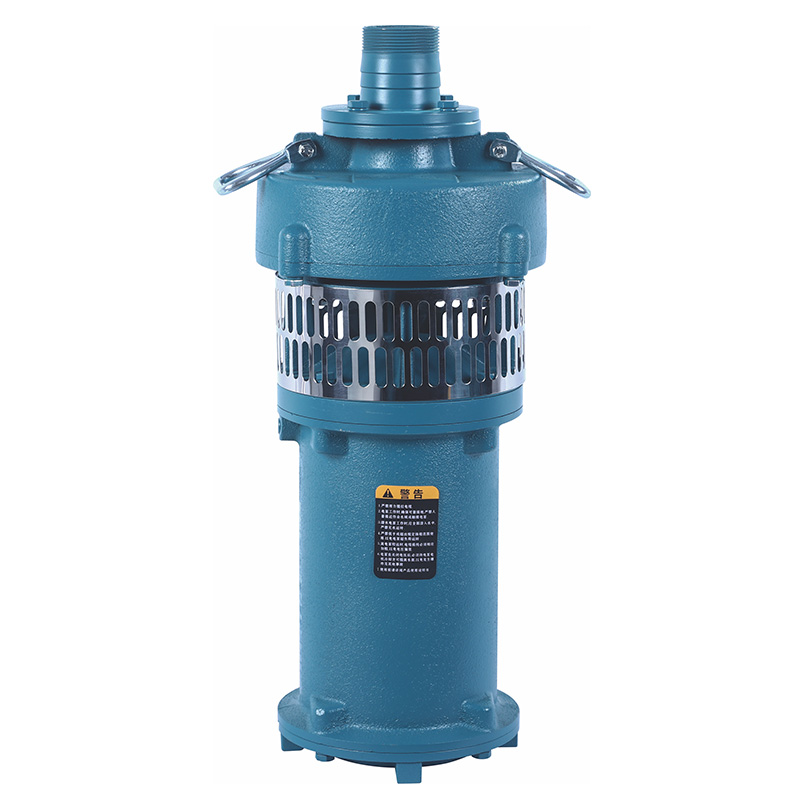
Irrigation Pump: Engineering Selection & Sizing Guide
Matching agricultural water supplies to crop demand takes a lot more than picking the biggest horsepower rating in a product catalog. An equipment package that looks great on paper can easily leave sprinklers dripping weakly at the far edge of a field. Even worse, running outside the optimal hydraulic curve burns excess electricity and shortens equipment life.
A successful installation starts by calculating the true operational duty point: the required flow rate matched against the total dynamic head the equipment must push against. Irrigation distributors, farm managers, and plumbing contractors prevent expensive field failures by analyzing water sources and friction loss before purchasing equipment.
Field Water Demand and Flow Rate Calculations
Determining proper volumetric flow requires calculating the total demand of every active emitter across a single watering zone rather than relying on rough acreage estimates.
Irrigation Delivery Method
Baseline Flow Demand
Working Pressure Range
Distribution Characteristic
Precision Drip Lines
1.0 to 4.0 Liters/hour per emitter
1.0 to 2.5 bar
Low volume, steady root zone moisture
Micro-Sprinkler Zone
30 to 120 Liters/hour per nozzle
1.5 to 3.0 bar
Targeted droplet spread for orchards
Overhead Impact Sprinkler
0.8 to 3.5 m³/hour per head
2.5 to 5.0 bar
Large throw radius suited for open fields
Center Pivot Machine
50 to 250 m³/hour per system
2.0 to 4.5 bar
High continuous delivery across broad plots
| Irrigation Delivery Method | Baseline Flow Demand | Working Pressure Range | Distribution Characteristic |
|---|---|---|---|
| Precision Drip Lines | 1.0 to 4.0 Liters/hour per emitter | 1.0 to 2.5 bar | Low volume, steady root zone moisture |
| Micro-Sprinkler Zone | 30 to 120 Liters/hour per nozzle | 1.5 to 3.0 bar | Targeted droplet spread for orchards |
| Overhead Impact Sprinkler | 0.8 to 3.5 m³/hour per head | 2.5 to 5.0 bar | Large throw radius suited for open fields |
| Center Pivot Machine | 50 to 250 m³/hour per system | 2.0 to 4.5 bar | High continuous delivery across broad plots |
Sizing an irrigation pump below peak zone demand causes water pressure to collapse as soon as secondary valves open. On the other hand, oversizing an agricultural water pump forces inline pressure regulators to burn off excess pressure as heat. That extra strain damages pipe fittings and drives up monthly utility bills. Installing a properly calibrated farm irrigation pump system ensures steady output across all soil zones without stressing the delivery lines.
Calculating Dynamic Head Loss and Friction Back-Pressure
Static lift is only one part of the resistance placed on an agricultural water pump. Dynamic friction created by water dragging along pipe walls, elbows, manifolds, and filtration units creates substantial back-pressure.
Friction Factor
Physical Cause in the Field
Engineering Fix
Static Suction Lift
Height difference between water surface and pump inlet
Keep suction runs short; place equipment near the water
Discharge Elevation Rise
Vertical climb from pump discharge to the highest nozzle
Survey elevation data to measure total vertical climb
Internal Pipe Friction
Water shear velocity rubbing against rough pipe walls
Upsize mainline pipes to keep fluid velocity under 1.5 m/s
Filtration Pressure Drop
Resistance through disc, mesh, or sand media filters
Allow for a 0.5 to 0.8 bar drop during backwash cycles
| Friction Factor | Physical Cause in the Field | Engineering Fix |
|---|---|---|
| Static Suction Lift | Height difference between water surface and pump inlet | Keep suction runs short; place equipment near the water |
| Discharge Elevation Rise | Vertical climb from pump discharge to the highest nozzle | Survey elevation data to measure total vertical climb |
| Internal Pipe Friction | Water shear velocity rubbing against rough pipe walls | Upsize mainline pipes to keep fluid velocity under 1.5 m/s |
| Filtration Pressure Drop | Resistance through disc, mesh, or sand media filters | Allow for a 0.5 to 0.8 bar drop during backwash cycles |
Contractors must cross-reference total dynamic head with flow demand on the pump performance curve. Operating an irrigation pump near the middle of its efficiency curve prevents motor overheating, destructive cavitation, and high utility bills throughout changing growing seasons.
Matching Water Sources to Pump Architecture
Water source layout and fluid cleanliness determine the best mechanical casing, impeller style, and suction setup.
Supply Source Profile
Operational Intake Condition
Recommended Mechanical Configuration
Surface Canal or Open River
High sediment content with shallow positive suction head
End-suction centrifugal irrigation pump with intake screening
Shallow Ground Well
Water table within 6 to 8 meters of surface grade
Self-priming jet pump with wear-resistant internal plates
Deep Borehole Aquifer
Water table down deeper than 10 meters requiring high lift
Multi-stage deep well submersible pump with check valves
Recycled Runoff Lagoon
High organic particulate, algae, and fluctuating water levels
Semi-open impeller agricultural water pump with suction strainer
| Supply Source Profile | Operational Intake Condition | Recommended Mechanical Configuration |
|---|---|---|
| Surface Canal or Open River | High sediment content with shallow positive suction head | End-suction centrifugal irrigation pump with intake screening |
| Shallow Ground Well | Water table within 6 to 8 meters of surface grade | Self-priming jet pump with wear-resistant internal plates |
| Deep Borehole Aquifer | Water table down deeper than 10 meters requiring high lift | Multi-stage deep well submersible pump with check valves |
| Recycled Runoff Lagoon | High organic particulate, algae, and fluctuating water levels | Semi-open impeller agricultural water pump with suction strainer |
Clean surface reservoirs work well with a standard horizontal centrifugal irrigation pump. Deep aquifers require multi-stage submersible designs to bypass atmospheric suction limits completely. When surface water contains silt or sand, pairing the irrigation pump with robust pre-filtration protects internal mechanical seal rings from abrasive wear and premature leaks.
Drive Configurations and Smart Field Controls
Power availability and site access determine whether an electric motor, diesel engine, or solar variable-frequency setup offers the lowest operating cost over time.
Power and Drive Layout
Operational Field Context
Automated Control and Protection Method
Three-Phase Electric Grid
Permanent agricultural installations with stable local line power
Variable Frequency Drive for continuous constant pressure
Stationary Diesel Engine
Remote agricultural land lacking access to electrical grids
Heavy-duty clutch with auto-shutdown for low oil pressure
Solar DC/AC Photovoltaic
Off-grid operations focusing on daytime watering cycles
Solar pumping inverter with maximum power point tracking
Single-Phase Rural Grid
Smallholder farms or edge-of-grid agricultural plots
Magnetic motor starter with thermal overload relay protection
| Power and Drive Layout | Operational Field Context | Automated Control and Protection Method |
|---|---|---|
| Three-Phase Electric Grid | Permanent agricultural installations with stable local line power | Variable Frequency Drive for continuous constant pressure |
| Stationary Diesel Engine | Remote agricultural land lacking access to electrical grids | Heavy-duty clutch with auto-shutdown for low oil pressure |
| Solar DC/AC Photovoltaic | Off-grid operations focusing on daytime watering cycles | Solar pumping inverter with maximum power point tracking |
| Single-Phase Rural Grid | Smallholder farms or edge-of-grid agricultural plots | Magnetic motor starter with thermal overload relay protection |
Adding smart control electronics into a farm irrigation pump system protects critical motor windings. Systems equipped with digital pressure transducers adjust motor speed to match active field zones in real time. This keeps line pressure balanced, avoids dangerous hydraulic water hammer, and lowers electricity bills. Using a smart centrifugal irrigation pump setup ensures no energy is wasted during partial-zone operation.
Pre-Commissioning Engineering Checklist
Following a step-by-step technical inspection before turning the power on prevents costly downtime and keeps equipment running smoothly season after season.
Verification Step
Field Assessment Checkpoint
Mandatory Engineering Criteria
Suction Margin Analysis
Net Positive Suction Head Available vs Required
Ensure available head exceeds required head by at least 0.5 to 1.0 meter
Pipework Manifold Layout
Suction line geometry and isolation valve sizing
Provide straight pipe run equal to 5 times pipe diameter before the inlet eye
Power Supply Stability
Line voltage, phase balance, and transformer loading
Full-load running current must stay within rated motor nameplate amps
Environmental Enclosure
Ambient temperature extremes, humidity, and direct UV
Minimum IP55 weather-resistant casing with shaded cooling airflow
| Verification Step | Field Assessment Checkpoint | Mandatory Engineering Criteria |
|---|---|---|
| Suction Margin Analysis | Net Positive Suction Head Available vs Required | Ensure available head exceeds required head by at least 0.5 to 1.0 meter |
| Pipework Manifold Layout | Suction line geometry and isolation valve sizing | Provide straight pipe run equal to 5 times pipe diameter before the inlet eye |
| Power Supply Stability | Line voltage, phase balance, and transformer loading | Full-load running current must stay within rated motor nameplate amps |
| Environmental Enclosure | Ambient temperature extremes, humidity, and direct UV | Minimum IP55 weather-resistant casing with shaded cooling airflow |
Taking baseline pressure and flow measurements across the distribution manifold during commissioning creates a reliable benchmark for routine maintenance checks on every agricultural water pump.
Precision Manufacturing and Global Agricultural Supply Chains
Delivering uninterrupted water flow under tough agricultural conditions demands high engineering standards, consistent metallurgy, and precision motor manufacturing. Sourcing pumping systems from an experienced equipment manufacturer guarantees that catalog performance curves match true field performance.
Specializing in high-performance fluid systems and agricultural pressure equipment, Flyaway provides comprehensive OEM and ODM manufacturing capabilities for farm machinery distributors, irrigation contractors, and commercial growers worldwide. Production infrastructure features automated robotic motor winding, computerized dynamic balancing for all rotor assemblies, precision CNC machining for brass and cast-iron impellers, and fully automated hydrostatic testing benches. Built with 100% pure copper motor stators, anti-corrosive electrophoretic surface treatments, and durable silicon carbide mechanical seals, every centrifugal irrigation pump and heavy-duty irrigation pump from Flyaway delivers dependable, energy-efficient performance across demanding agricultural landscapes worldwide.






