
 EN
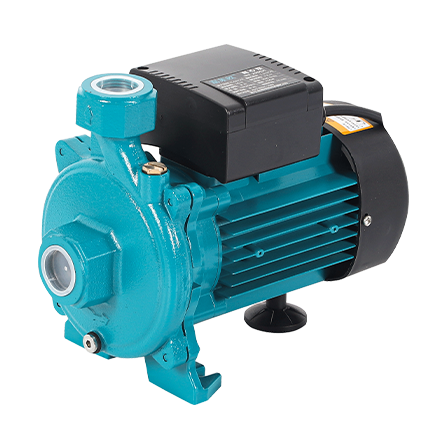
Water Pump for Cleaning: Sizing & Selection Guide
Matching a water pump for cleaning to industrial or commercial wash stations involves far more than simply selecting the highest motor wattage on a specification sheet. Oversized motors often overheat under mismatched discharge heads, while undersized units burn out when battling unexpected hose friction. Whether the application requires clearing greasy drainage pits, powering high-volume spray lances, or transferring recycled greywater, long-term operational efficiency depends on fluid mechanics, intake hydraulics, and mechanical seal integrity.
For purchasing managers, equipment distributors, and facility maintenance directors, identifying critical physical parameters prior to requesting vendor quotations prevents rapid pump failure and reduces warranty disputes. Sizing equipment around actual job requirements guarantees uninterrupted operation across demanding work shifts while maintaining strict energy management standards.
Fluid Dynamics and Cleaning Application Demands
Cleaning duties encompass vastly different hydraulic environments. Clarifying the physical and chemical state of the fluid before specifying hardware prevents rapid impeller erosion and seal failure.
Application Category
Typical Fluid Profile
Primary Hardware Demand
Clear Water Transfer
Potable rinse water, clear recovery fluid, pool drainage
Standard utility impeller, baseline thermoplastic or cast iron casing
Low-Pressure Wash-Down
Detergent mixtures, degreaser runoff, mild chemical washes
Chemical-resistant mechanical seals (Viton/EPDM), stable discharge volume
Runoff and Sump Clearance
Gritty wastewater, abrasive sand, stringy lint, wash debris
Non-clog vortex impeller, wide spherical solids passage, cast iron volute
High-Velocity Surface Blasting
Concentrated rinse streams, targeted machine scouring
Multistage centrifugal or booster hydraulics, reinforced motor shaft
| Application Category | Typical Fluid Profile | Primary Hardware Demand |
|---|---|---|
| Clear Water Transfer | Potable rinse water, clear recovery fluid, pool drainage | Standard utility impeller, baseline thermoplastic or cast iron casing |
| Low-Pressure Wash-Down | Detergent mixtures, degreaser runoff, mild chemical washes | Chemical-resistant mechanical seals (Viton/EPDM), stable discharge volume |
| Runoff and Sump Clearance | Gritty wastewater, abrasive sand, stringy lint, wash debris | Non-clog vortex impeller, wide spherical solids passage, cast iron volute |
| High-Velocity Surface Blasting | Concentrated rinse streams, targeted machine scouring | Multistage centrifugal or booster hydraulics, reinforced motor shaft |
Water is rarely chemically neutral in commercial sanitation. Caustic degreasers, acidic descalers, and elevated wash temperatures alter fluid viscosity and degrade standard nitrile rubber seals. Specifying mechanical seal materials, such as silicon carbide or fluoroelastomers, prevents premature motor ingress when handling aggressive chemical blends. Furthermore, high-temperature wash lines require thermal protection ratings that prevent fluid vaporization inside the casing.
Calculating Flow Rates for Dynamic Workloads
Determining target flow rates requires calculating true liquid volume over operational time rather than relying on maximum open-discharge catalog ratings. A water pump for cleaning rated for 150 liters per minute at zero head may only produce 40 liters per minute when connected to restrictive spray manifolds.
When calculating flow requirements for equipment cleaning, examine the discharge tooling rather than the pump inlet. Spray nozzles, wash wands, and flow restrictors dictate the operational throughput of the entire system.
Task Profile
Operational Flow Target
Calculation Method
Rapid Basin Evacuation
100 to 300 Liters / min
Divide total wash tank volume by required clearance duration in minutes
Manual Equipment Wash-Down
25 to 60 Liters / min
Match the rated flow capacity of connected spray gun orifices
Recirculating Parts Washer
15 to 40 Liters / min
Balance fluid contact time against filtration media replenishment speed
Continuous Facility Wash Stations
50 to 120 Liters / min
Aggregate total simultaneous demand across all active discharge stations
| Task Profile | Operational Flow Target | Calculation Method |
|---|---|---|
| Rapid Basin Evacuation | 100 to 300 Liters / min | Divide total wash tank volume by required clearance duration in minutes |
| Manual Equipment Wash-Down | 25 to 60 Liters / min | Match the rated flow capacity of connected spray gun orifices |
| Recirculating Parts Washer | 15 to 40 Liters / min | Balance fluid contact time against filtration media replenishment speed |
| Continuous Facility Wash Stations | 50 to 120 Liters / min | Aggregate total simultaneous demand across all active discharge stations |
Excessive discharge flow causes unnecessary turbulence, splashes hazardous cleaning chemicals, wastes metered water, and rapidly exhausts storage reservoirs. Matching pump output to nozzle requirements preserves pressure stability while containing operational expenses.
Total Dynamic Head and System Friction Losses
Static elevation lift represents only a portion of the workload placed on a water pump for cleaning. Total dynamic head accounts for static elevation rise, suction lift, atmospheric variances, and internal frictional resistance generated throughout hoses, elbows, valves, and nozzles. Long hose runs with narrow internal diameters create severe parasitic drag that collapses pump output.
Head Parameter
Engineering Significance
Practical Sizing Recommendation
Static Discharge Elevation
Vertical rise from pump outlet to final discharge nozzle
Measure exact vertical height rather than diagonal pipe length
Suction Lift Distance
Vertical drop between fluid surface and surface pump inlet
Restrict suction lift within 6 to 8 meters to eliminate cavitation risk
Hose Friction Loss
Internal fluid resistance along hose walls and couplings
Increase internal hose diameter to drop velocity and flow friction
Nozzle Back-Pressure
Pressure drop across spray tips, wands, and check valves
Convert rated nozzle operating pressure into equivalent meters of water head
| Head Parameter | Engineering Significance | Practical Sizing Recommendation |
|---|---|---|
| Static Discharge Elevation | Vertical rise from pump outlet to final discharge nozzle | Measure exact vertical height rather than diagonal pipe length |
| Suction Lift Distance | Vertical drop between fluid surface and surface pump inlet | Restrict suction lift within 6 to 8 meters to eliminate cavitation risk |
| Hose Friction Loss | Internal fluid resistance along hose walls and couplings | Increase internal hose diameter to drop velocity and flow friction |
| Nozzle Back-Pressure | Pressure drop across spray tips, wands, and check valves | Convert rated nozzle operating pressure into equivalent meters of water head |
Evaluating the manufacturer performance curve at the calculated total dynamic head reveals the true operating point. Selecting equipment operating near the center of the efficiency curve protects motor windings against overheating and mechanical vibration.
Contaminant Handling and Impeller Configuration
Suspended abrasive solids ruin clean-water pumps within hours. Fine grit grinds mechanical seals, while fibrous rags choke closed centrifugal impellers. Determining the nature of suspended solids directs the selection between open, semi-open, or vortex hydraulic designs.
Contaminant Profile
Mechanical Risk
Recommended Equipment Profile
Clean Fluid
Minimal wear, standard operation
High-efficiency closed impeller, standard carbon-ceramic mechanical seal
Fine Sand and Slag
Rapid abrasion of sealing faces and impeller vanes
Silicon carbide seal faces, hardened cast iron casing, semi-open impeller
Stringy Waste and Fibers
Impeller binding, motor overheating
Non-clog vortex impeller with spherical solids clearance exceeding 25 mm
Chemical Wash Solutions
Polymer swelling, elastomer degradation
Stainless steel wetted components, PTFE or Viton elastomer seals
| Contaminant Profile | Mechanical Risk | Recommended Equipment Profile |
|---|---|---|
| Clean Fluid | Minimal wear, standard operation | High-efficiency closed impeller, standard carbon-ceramic mechanical seal |
| Fine Sand and Slag | Rapid abrasion of sealing faces and impeller vanes | Silicon carbide seal faces, hardened cast iron casing, semi-open impeller |
| Stringy Waste and Fibers | Impeller binding, motor overheating | Non-clog vortex impeller with spherical solids clearance exceeding 25 mm |
| Chemical Wash Solutions | Polymer swelling, elastomer degradation | Stainless steel wetted components, PTFE or Viton elastomer seals |
Employing pre-filtration strainers prevents oversized debris from jamming pump intakes. However, suction strainers require regular clearing schedules to avoid suction starving and catastrophic seal dry-run failures. Selecting a durable water pump for cleaning requires matching internal materials directly against the physical properties of the suspended matter.
Submersible Architecture Versus Surface Pump Mounting
Site layout and operational environment determine whether an installation demands a submersible cleaning pump or a surface-mounted self-priming unit.
Engineering Factor
Submersible Pump Systems
Surface-Mounted Self-Priming Systems
Priming Reliability
Zero priming required; fluid provides instant intake
Requires airtight suction lines and initial casing priming
Thermal Management
Continuous motor cooling via surrounding fluid
Relies on ambient airflow; requires adequate ventilation space
Portability and Setup
Dropped directly into sumps, tanks, or wash pits
Mounted on mobile carts, wash skids, or fixed shop floors
Maintenance Access
Requires pulling pump from tank for servicing
Instant access for mechanical seal inspection and valve service
| Engineering Factor | Submersible Pump Systems | Surface-Mounted Self-Priming Systems |
|---|---|---|
| Priming Reliability | Zero priming required; fluid provides instant intake | Requires airtight suction lines and initial casing priming |
| Thermal Management | Continuous motor cooling via surrounding fluid | Relies on ambient airflow; requires adequate ventilation space |
| Portability and Setup | Dropped directly into sumps, tanks, or wash pits | Mounted on mobile carts, wash skids, or fixed shop floors |
| Maintenance Access | Requires pulling pump from tank for servicing | Instant access for mechanical seal inspection and valve service |
When choosing a wash-down pump for indoor facilities, self-priming surface pumps simplify regular mechanical inspections. Conversely, drainage pits and basin clearance tasks heavily favor a submersible cleaning pump because submerged operation eliminates suction line air leaks and lost-prime conditions.
Continuous Duty Ratings and Thermal Motor Protection
Intermittent rinsing demands differ fundamentally from continuous multi-shift production wash stations. A dedicated wash-down pump running against closed spray triggers requires integrated thermal protection and bypass plumbing.
Operating Factor
Technical Risk
Engineering Solution
Continuous S1 Duty
Heat accumulation in motor windings
Class F insulation, full copper windings, external cooling fins
Dead-Head Operation
Rapid fluid boiling when spray trigger closes
Unloader valve bypass line redirecting flow to supply reservoir
Voltage Instability
Winding burnout from phase loss or low voltage
Built-in thermal overload protectors and industrial magnetic starters
Wet Environmental Exposure
Moisture ingress into terminal boxes
Minimum IP55 or IP68 electrical enclosure sealing standards
| Operating Factor | Technical Risk | Engineering Solution |
|---|---|---|
| Continuous S1 Duty | Heat accumulation in motor windings | Class F insulation, full copper windings, external cooling fins |
| Dead-Head Operation | Rapid fluid boiling when spray trigger closes | Unloader valve bypass line redirecting flow to supply reservoir |
| Voltage Instability | Winding burnout from phase loss or low voltage | Built-in thermal overload protectors and industrial magnetic starters |
| Wet Environmental Exposure | Moisture ingress into terminal boxes | Minimum IP55 or IP68 electrical enclosure sealing standards |
When operating high pressure cleaning pump systems, dead-head conditions must be controlled with pressure unloader valves. Trapped water quickly turns to steam inside a closed casing, melting internal diffusers and warping mechanical seals. Incorporating heavy-duty motor windings ensures thermal longevity during peak cleaning cycles.
Systematic Engineering Selection Checklist
Engineering teams and facility operators avoid procurement errors by applying a systematic evaluation protocol before finalizing equipment purchase orders.
Evaluation Stage
Analytical Objective
Practical Deliverable
Fluid Audit
Identify particulate size, temperature, and chemical pH
Baseline material compatibility specification
Dynamic Calculation
Intersect required operating flow with total dynamic head
Verified duty point on manufacturer hydraulic curve
Infrastructure Verification
Confirm electrical phase, voltage, and circuit amperage
Safe power supply and breaker integration plan
Total Ownership Review
Plan routine wear-part replacement intervals
Scheduled maintenance cycle and spare parts list
| Evaluation Stage | Analytical Objective | Practical Deliverable |
|---|---|---|
| Fluid Audit | Identify particulate size, temperature, and chemical pH | Baseline material compatibility specification |
| Dynamic Calculation | Intersect required operating flow with total dynamic head | Verified duty point on manufacturer hydraulic curve |
| Infrastructure Verification | Confirm electrical phase, voltage, and circuit amperage | Safe power supply and breaker integration plan |
| Total Ownership Review | Plan routine wear-part replacement intervals | Scheduled maintenance cycle and spare parts list |
Before ordering a water pump for cleaning, facility managers should cross-reference site electrical parameters with motor nameplate ratings. Verifying duty cycles and liquid chemistry at the outset eliminates costly downtime and emergency replacements.
Precision Manufacturing and Supply Chain Capabilities
Sustained performance in demanding commercial wash environments requires precision manufacturing standards, tight machining tolerances, and dependable metallurgical integrity. Partnering with seasoned industrial manufacturers guarantees that equipment specifications reflect authentic laboratory performance curves rather than theoretical catalog estimates.
Specializing in robust fluid handling equipment, Flyaway provides distributors, equipment integrators, and industrial procurement teams with advanced OEM and ODM pump solutions. Manufacturing capabilities encompass ISO-certified production lines, automated motor winding, precision dynamic balancing, and rigorous hydraulic pressure testing across surface-mounted units and submersible configurations. Featuring rugged cast iron casings, heavy-duty 304 stainless steel shafts, wear-resistant brass impellers, and built-in thermal overload protection for continuous S1 duty cycles, Flyaway delivers engineered reliability for global wash stations, drainage networks, and specialized cleaning systems.






