
 EN
Sizing and Specifying a Water Circulation Pump for Water Heater Systems
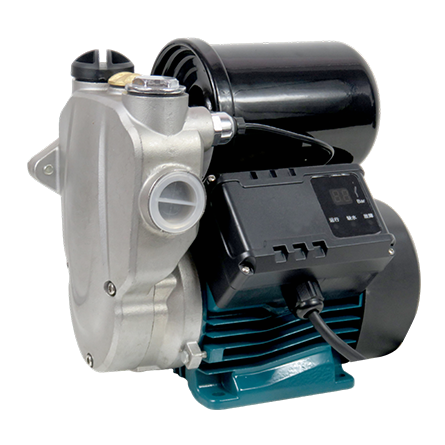
Waiting minutes for warm water at a distant shower or commercial kitchen faucet is rarely caused by an undersized heating appliance. In practical plumbing layouts, thermal lag represents a fluid distribution problem rather than an equipment capacity limit. Water sitting idle inside extended pipe runs rapidly loses thermal energy between demand cycles, forcing end users to flush gallons of potable water down the drain before comfortable temperatures arrive. Installing a dedicated water circulation pump for water heater infrastructure resolves this costly waste by keeping treated hot water moving close to distant fixtures.
Selecting the right pump configuration requires analyzing the complete piping circuit rather than simply purchasing the largest available motor. An oversized unit generates unnecessary pipe scouring, excessive power consumption, and persistent hydraulic hum. Conversely, an undersized unit leaves occupants waiting just as long for warm water. Achieving balanced comfort and long-term operating efficiency requires matching dynamic hydraulic resistance, loop geometry, operating controls, and daily usage patterns.
Plumbing Layouts and Hot Water Recirculation Loops
Before sizing equipment, engineering teams must verify whether the building architecture supports an active circulation loop. Two piping configurations dominate modern commercial and residential plumbing installations: dedicated return loops and cold-water crossover systems.
Piping Configuration
Operational Principle
Primary Engineering Advantage
Installation Limitation
Dedicated Return Loop
Installs a dedicated pipe returning tempered fluid from the farthest fixture back to the heater
Delivers balanced hydraulic stability and keeps cold supply lines completely cold
Requires open wall access, making it expensive for completed building retrofits
Crossover Bypass System
Uses a thermostatic bypass valve at distant sinks to push cooled water back through the cold line
Eliminates the need to tear into walls or add new long pipe runs
Temporarily warms the cold water line and requires routine thermal valve servicing
| Piping Configuration | Operational Principle | Primary Engineering Advantage | Installation Limitation |
|---|---|---|---|
| Dedicated Return Loop | Installs a dedicated pipe returning tempered fluid from the farthest fixture back to the heater | Delivers balanced hydraulic stability and keeps cold supply lines completely cold | Requires open wall access, making it expensive for completed building retrofits |
| Crossover Bypass System | Uses a thermostatic bypass valve at distant sinks to push cooled water back through the cold line | Eliminates the need to tear into walls or add new long pipe runs | Temporarily warms the cold water line and requires routine thermal valve servicing |
Evaluating piping layout determines the total dynamic head that the selected recirculation pump must overcome. Drawing an accurate piping schematic detailing nominal diameters, total equivalent lengths, and electrical drop points ensures a trouble-free installation without hydraulic surprises.
Operating Control Strategies and Energy Balance
A high-performance water circulation pump for water heater efficiency relies heavily on the control strategy managing motor run cycles. Operating any circulator continuously around the clock squanders electrical power and radiates thermal energy through distribution pipe walls. Smart control logic ensures the motor runs only when hot water is genuinely required.
Control Strategy
Actuation Trigger
Optimal Application Setting
Efficiency and Thermal Impact
Demand Activation
Triggered by push buttons, motion sensors, or flow switches
Intermittent commercial breakrooms or irregular residential use
Delivers maximum energy savings with zero unnecessary thermal distribution loss
Programmable Timer
Operates during scheduled morning and evening peak demand windows
Predictable commercial facilities, schools, and standard office spaces
Eliminates overnight standby losses while maintaining full daytime readiness
Thermostatic Aquastat
Cycles the motor when return-line fluid drops below a target temperature
Commercial laundries, hotels, and loops requiring constant minimum heat
Halts unnecessary pumping as soon as the distribution circuit reaches operating warmth
Continuous Circulation
Motor runs uninterrupted without automated sensor interruption
Critical manufacturing process loops requiring constant water movement
Increases annual utility costs and accelerates premature bearing wear
| Control Strategy | Actuation Trigger | Optimal Application Setting | Efficiency and Thermal Impact |
|---|---|---|---|
| Demand Activation | Triggered by push buttons, motion sensors, or flow switches | Intermittent commercial breakrooms or irregular residential use | Delivers maximum energy savings with zero unnecessary thermal distribution loss |
| Programmable Timer | Operates during scheduled morning and evening peak demand windows | Predictable commercial facilities, schools, and standard office spaces | Eliminates overnight standby losses while maintaining full daytime readiness |
| Thermostatic Aquastat | Cycles the motor when return-line fluid drops below a target temperature | Commercial laundries, hotels, and loops requiring constant minimum heat | Halts unnecessary pumping as soon as the distribution circuit reaches operating warmth |
| Continuous Circulation | Motor runs uninterrupted without automated sensor interruption | Critical manufacturing process loops requiring constant water movement | Increases annual utility costs and accelerates premature bearing wear |
Selecting the right control method paired with an energy-efficient water heater pump keeps operational overhead minimal while satisfying immediate hot water demands across every plumbing fixture.
Dynamic Friction Loss and Hydraulic Head Calculations
Many field technicians make the costly mistake of selecting equipment based purely on physical pipe length. While linear distance matters, dynamic resistance across elbows, tees, check valves, and heater internal heat exchangers generates substantial backpressure. Domestic recirculation loops do not require high volumetric delivery; their sole function is replacing cooled water inside the loop at a controlled velocity.
Hydraulic Parameter
Engineering Target
Field Risk Mitigated
Loop Volumetric Flow
Maintain 0.5 to 2.0 gallons per minute based on total thermal dissipation
Prevents excessive flow velocity that erodes interior copper pipe walls
Total Dynamic Head
Calculate friction losses across pipes, elbows, tees, and check valves
Avoids motor overload and keeps the pump running near its best efficiency point
Velocity Limits
Maintain fluid velocity inside copper lines strictly below 1.2 meters per second
Eliminates cavitation erosion, premature pipe thinning, and loud whistling noise
Interior Pipe Friction
Assess internal surface roughness across copper, PEX, and stainless lines
Compensates for dynamic pressure drops across barbed mechanical fittings
| Hydraulic Parameter | Engineering Target | Field Risk Mitigated |
|---|---|---|
| Loop Volumetric Flow | Maintain 0.5 to 2.0 gallons per minute based on total thermal dissipation | Prevents excessive flow velocity that erodes interior copper pipe walls |
| Total Dynamic Head | Calculate friction losses across pipes, elbows, tees, and check valves | Avoids motor overload and keeps the pump running near its best efficiency point |
| Velocity Limits | Maintain fluid velocity inside copper lines strictly below 1.2 meters per second | Eliminates cavitation erosion, premature pipe thinning, and loud whistling noise |
| Interior Pipe Friction | Assess internal surface roughness across copper, PEX, and stainless lines | Compensates for dynamic pressure drops across barbed mechanical fittings |
Plotting calculated flow and head against the manufacturer pump curve guarantees that the selected circulation pump operates smoothly within its intended hydraulic comfort zone.
Potable Water Hygiene and Metallurgy Selection
Because a water circulation pump for water heater installations circulates potable water consumed by occupants, material safety is paramount. Standard cast iron pump casings are common in closed-loop hydronic heating, but they oxidize rapidly in oxygenated domestic water systems. Potable hot water demands corrosion-resistant, lead-free metallurgies that endure aggressive water chemistry.
Wetted Component Material
Maximum Temperature Rating
Potable Sanitation Suitability
Performance Characteristics
Lead-Free Cast Bronze
Rated up to 110 degrees Celsius
Fully certified for potable domestic distribution
Outstanding corrosion resistance with stable long-term structural integrity
AISI 304/316 Stainless Steel
Rated up to 120 degrees Celsius
Universally approved for drinking water systems
Superior resistance to chemical pitting, aggressive chloride salts, and scaling
Engineered Polymers
Rated up to 95 degrees Celsius
Safe for residential domestic hot water lines
Cost-effective and scale-resistant, though limited in high-pressure loops
Ceramic Shaft and Bearings
Continuous thermal immersion
Non-reactive and inert across varied mineral profiles
Delivers near-silent wet-rotor operation with exceptional mechanical lifespan
| Wetted Component Material | Maximum Temperature Rating | Potable Sanitation Suitability | Performance Characteristics |
|---|---|---|---|
| Lead-Free Cast Bronze | Rated up to 110 degrees Celsius | Fully certified for potable domestic distribution | Outstanding corrosion resistance with stable long-term structural integrity |
| AISI 304/316 Stainless Steel | Rated up to 120 degrees Celsius | Universally approved for drinking water systems | Superior resistance to chemical pitting, aggressive chloride salts, and scaling |
| Engineered Polymers | Rated up to 95 degrees Celsius | Safe for residential domestic hot water lines | Cost-effective and scale-resistant, though limited in high-pressure loops |
| Ceramic Shaft and Bearings | Continuous thermal immersion | Non-reactive and inert across varied mineral profiles | Delivers near-silent wet-rotor operation with exceptional mechanical lifespan |
Matching site water chemistry to proper wet-end metallurgy guarantees that your recirculation pump resists scale buildup, pitting corrosion, and premature mechanical seal failure across years of continuous operation.
Water Heater Integration and Field Commissioning
Integrating a water heater pump into existing plumbing lines requires verifying compatibility with the primary heating appliance. Tankless water heaters have specific minimum activation flow thresholds; if a circulator produces insufficient flow, the burner will fail to ignite. Similarly, storage tank installations require proper check valve orientation to avoid thermal siphon backflow.
Commissioning Procedure
Verification Inspection Standard
Operational Failure Prevented
Air Purging Routine
Vent trapped air from the highest loop points and pump housing
Prevents cavitation erosion and dry-running ceramic bearing burnout
Non-Return Valve Check
Verify positive horizontal seating of spring or swing check valves
Stops cold water from back-siphoning into hot fixtures during heavy draw
Thermal Pipe Insulation
Install closed-cell foam insulation along supply and return lines
Drastically reduces radiant heat loss, shortening motor cycle runtimes
Dynamic Noise Audit
Check isolation mounts and pipe clamps for structural vibration
Eliminates motor hum resonance through building studs and partition cavities
| Commissioning Procedure | Verification Inspection Standard | Operational Failure Prevented |
|---|---|---|
| Air Purging Routine | Vent trapped air from the highest loop points and pump housing | Prevents cavitation erosion and dry-running ceramic bearing burnout |
| Non-Return Valve Check | Verify positive horizontal seating of spring or swing check valves | Stops cold water from back-siphoning into hot fixtures during heavy draw |
| Thermal Pipe Insulation | Install closed-cell foam insulation along supply and return lines | Drastically reduces radiant heat loss, shortening motor cycle runtimes |
| Dynamic Noise Audit | Check isolation mounts and pipe clamps for structural vibration | Eliminates motor hum resonance through building studs and partition cavities |
Taking time to purge air, verify valve orientation, and balance loop flows ensures that the installed circulation pump operates reliably without nuisance service callbacks.
Manufacturing Standards and Global Supply Support
Achieving consistent field reliability in potable water distribution demands precision component casting, dynamic impeller balancing, and strict hydraulic quality validation. Plumbing contractors, system engineers, and commercial equipment distributors require pump assemblies that withstand thermal expansion cycles and continuous hydraulic pressure without unexpected breakdowns.
Flyaway engineers, manufactures, and supplies a wide portfolio of high-efficiency fluid handling machinery, commercial booster systems, and specialized water circulation pump for water heater configurations tailored for international markets. Operating automated stator winding lines, high-precision CNC machining bays, and multi-stage computerized hydraulic test pits, Flyaway subjects every pumping unit to pressure containment, motor insulation, and hydraulic curve validation before export delivery.
For global wholesale distributors, plumbing brand owners, and OEM partners, Flyaway delivers versatile private-label manufacturing and responsive technical support. With scalable production capacities, certified CE and ISO 9001 compliance, and dependable containerized export logistics, Flyaway provides durable circulation pump and water heater pump solutions that optimize domestic comfort and streamline installation workflows across global distribution networks.






