
 EN
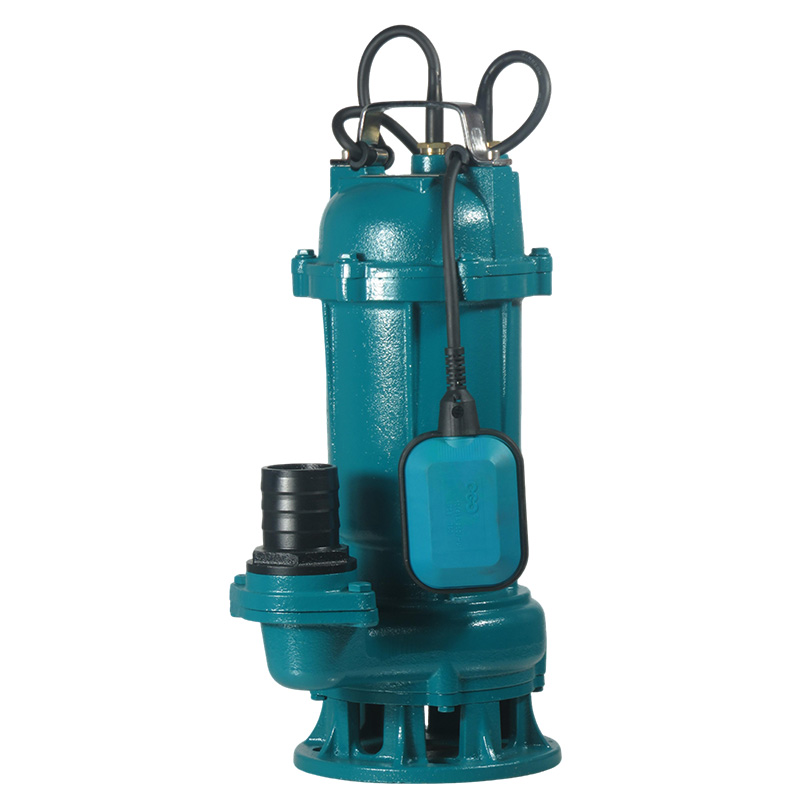
💧 How to Choose a Submersible Pump for Demanding Applications
Selecting the correct submersible pump is an engineering decision driven by specific system hydraulics and operating conditions rather than nominal horsepower ratings on a nameplate. A pump engineered for clear reservoir transfer will fail prematurely if deployed in an abrasive municipal excavation pit or a deep groundwater borehole. For equipment distributors, procurement managers, and mechanical contractors, establishing an accurate application baseline prevents catastrophic downtime, motor burnouts, and costly warranty disputes.
Because a submersible pump functions while completely immersed in the pumped medium, its motor housing, hydraulic volute, sealing interfaces, and electrical connections must withstand harsh chemical, thermal, and mechanical stresses. Navigating the selection process requires evaluating fluid properties, calculating dynamic hydraulic losses, inspecting internal mechanical construction, and verifying the supply chain credentials of the equipment provider.
🌊 Pinpoint the Medium and Operational Environment
Before reviewing performance curves, define the physical and chemical nature of the fluid. The internal architecture of a submersible water pump varies dramatically depending on whether it handles clean potable water, fibrous runoff, heavy sludge, or hot processing washdown.
Fluid Classification
Operating Condition
Recommended Hydraulic Configuration
Critical Component Focus
Clean Ground / Potable Water
Boreholes, deep wells, domestic water boosting
Multi-stage centrifugal submersible pump
Stainless steel diffusers, closed radial impellers
Light Drainage & Stormwater
Construction dewatering, basement collection
Single-stage industrial drainage pump
Open polyurethane impeller, built-in suction strainer
Municipal Sewage & Blackwater
Commercial lift stations, wastewater sumps
Heavy-duty non-clog submersible pump
Vortex or single-channel impeller, tungsten carbide seals
Slurry, Sand & Mining Tailings
River dredging, aggregate washing, wash sumps
Agitator-equipped industrial drainage pump
High-chrome alloy wet ends, hardened wear plates
| Fluid Classification | Operating Condition | Recommended Hydraulic Configuration | Critical Component Focus |
|---|---|---|---|
| Clean Ground / Potable Water | Boreholes, deep wells, domestic water boosting | Multi-stage centrifugal submersible pump | Stainless steel diffusers, closed radial impellers |
| Light Drainage & Stormwater | Construction dewatering, basement collection | Single-stage industrial drainage pump | Open polyurethane impeller, built-in suction strainer |
| Municipal Sewage & Blackwater | Commercial lift stations, wastewater sumps | Heavy-duty non-clog submersible pump | Vortex or single-channel impeller, tungsten carbide seals |
| Slurry, Sand & Mining Tailings | River dredging, aggregate washing, wash sumps | Agitator-equipped industrial drainage pump | High-chrome alloy wet ends, hardened wear plates |
A standard submersible water pump installed in sandy drainage will experience severe impeller erosion and mechanical seal failure within weeks. Specifying the maximum expected particle diameter, ambient liquid temperature, and chemical pH at the inquiry phase ensures that the final equipment matches field realities.
📈 Calculate Flow Rate and Total Dynamic Head
Sizing a submersible pump requires finding the precise operating duty point on the manufacturer head-flow (H-Q) curve. Relying strictly on nominal flow at open discharge leads to chronic motor overloading or insufficient pressure at destination terminals.
System sizing relies on two fundamental hydraulic calculations:
Calculating Flow Requirements
Determine the design volume required per hour or minute. In drainage and emergency flood control, this equals the pit inflow volume plus an evacuation safety factor. For agricultural irrigation or commercial water transfer, flow matches peak consumption demand across simultaneous downstream zones.
Determining Total Dynamic Head (TDH)
Total dynamic head represents the total equivalent height of liquid the submersible pump must overcome. It consists of static elevation lift plus dynamic friction losses caused by pipe walls, check valves, elbows, and terminal discharge pressure.
Hydraulic Head Component
Measurement Parameter
Common Sizing Oversight
Static Head
True vertical distance from lowest drawdown level to discharge point
Using well collar height instead of dynamic pumping water level
Friction Head
Hydraulic drag through pipes, valves, fittings, and manifolds
Undersizing discharge pipe diameter, causing massive velocity head loss
Residual Pressure Head
Required delivery pressure at final point of use (sprinklers, tanks)
Forgetting that 1 bar of operating pressure requires 10.2 meters of head
| Hydraulic Head Component | Measurement Parameter | Common Sizing Oversight |
|---|---|---|
| Static Head | True vertical distance from lowest drawdown level to discharge point | Using well collar height instead of dynamic pumping water level |
| Friction Head | Hydraulic drag through pipes, valves, fittings, and manifolds | Undersizing discharge pipe diameter, causing massive velocity head loss |
| Residual Pressure Head | Required delivery pressure at final point of use (sprinklers, tanks) | Forgetting that 1 bar of operating pressure requires 10.2 meters of head |
Selecting a submersible pump with its duty point positioned near the Best Efficiency Point (BEP) minimizes internal turbulence, radial shaft deflection, and excessive electrical consumption.
⚙️ Evaluate Solids Handling and Internal Material Construction
Solids handling capability determines whether an industrial drainage pump operates reliably or clogs under heavy debris loads. Standard clean water pumps feature tightly toleranced closed impellers that jam immediately when encountering stringy fabrics or gravel.
Solid-laden wastewater demands vortex or semi-open channel impellers with large spherical clearances. For installations dealing with long fibers, wet wipes, and plastic wrappers, macerating or cutter pumps with hardened stainless-steel cutting rings slice through solids before entering the casing.
Beyond the impeller, inspect the sealing system. A high-quality submersible pump incorporates dual mechanical seals arranged in an independent oil chamber. Silicon carbide or tungsten carbide seal faces withstand gritty particulates far better than entry-level carbon-ceramic alternatives, protecting the motor windings against moisture ingress.
⚡ Verify Electrical Specs and Motor Protection Systems
Motor burnouts frequently stem from poor electrical matching rather than mechanical defects. Verifying grid compatibility across export markets is essential for distributors sourcing from a global submersible pump manufacturer.
Electrical & Control Element
Technical Requirement
Functional Benefit
Voltage & Phase Supply
Single-phase (110V/220V) or Three-phase (380V/440V/480V) at 50Hz/60Hz
Prevents winding overheat from phase imbalance or low voltage
Thermal Overload Protection
Integrated bimetallic thermal switches or PTC thermistors
Shuts down motor before stator winding insulation breaks down
Liquid Level Automation
Heavy-duty float switches or electronic conductivity probes
Prevents dry running and cavitation damage in fluctuating sumps
Ingress Protection & Insulation
Minimum IP68 enclosure rating with Class F or Class H insulation
Guarantees continuous submersion under high hydrostatic pressure
| Electrical & Control Element | Technical Requirement | Functional Benefit |
|---|---|---|
| Voltage & Phase Supply | Single-phase (110V/220V) or Three-phase (380V/440V/480V) at 50Hz/60Hz | Prevents winding overheat from phase imbalance or low voltage |
| Thermal Overload Protection | Integrated bimetallic thermal switches or PTC thermistors | Shuts down motor before stator winding insulation breaks down |
| Liquid Level Automation | Heavy-duty float switches or electronic conductivity probes | Prevents dry running and cavitation damage in fluctuating sumps |
| Ingress Protection & Insulation | Minimum IP68 enclosure rating with Class F or Class H insulation | Guarantees continuous submersion under high hydrostatic pressure |
For remote or unattended lift stations, integrating a dedicated control panel equipped with dry-run protection, phase reversal monitoring, and alternating dual-pump controls extends equipment longevity significantly.






