
 EN
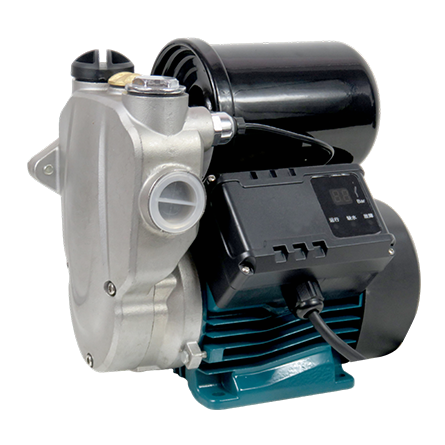
Complete Guide to Choosing a Submersible Circulation Pump for Pools
Choosing a submersible circulation pump for a swimming pool or water feature can easily look like a simple replacement parts task, but selecting the right equipment is actually a critical system decision. A professional pool circulation pump must move enough water through your filtration and water treatment equipment without exceeding their strict operating limits, while also fitting your physical installation, electrical safety, and ongoing maintenance conditions. A standard drainage pump that empties water quickly is never an automatically suitable unit for continuous pool filtration.
From a professional equipment selection perspective, always start by analyzing the pool’s actual operating conditions rather than focusing on motor power or headline flow numbers. A well-matched submersible circulation pump supports predictable water circulation; an oversized or mismatched unit creates annoying noise, high energy use, poor filtration performance, and difficult maintenance.
Confirm Whether a Submersible Design Suits Your Pool System
A submersible circulation pump operates directly submerged in water, whereas many conventional pool systems rely on external self-priming equipment. That distinction matters immensely. Before comparing candidate models, confirm that your pool basin, balance tank, water feature reservoir, or equipment layout is actually intended to accommodate a submerged motor and that the manufacturer explicitly permits continuous-duty circulation in treated pool water.
For example, a submersible circulation pump is extremely practical in a decorative water feature, an overflow surge tank, a small plunge pool, or an installation where a traditional external dry pump room is completely unavailable. However, it may prove to be a poor fit when your hydraulic setup requires a standard external connection, a high serviceable head, or a specialized pool-pump electrical interface. Do not select a unit solely because it looks compact or easy to place.
Calculate the Flow Rate Your Pool Actually Needs
Flow rate serves as the starting point for choosing any submersible circulation pump. First, estimate your total pool volume accurately, then set a turnover target: the required time needed to circulate a volume equal to the pool’s entire water volume through the system. An eight-hour turnover is commonly used as a residential planning baseline, but local building codes, heavy bather loads, sanitation methods, and specific pool types can alter this requirement.
Use this reliable working formula: Required flow in gallons per minute equals pool volume divided by turnover time in hours multiplied by sixty. For a 15,000-gallon pool with an eight-hour target, the required average flow sits at roughly 31 gallons per minute. That result represents a design target, not a reason to buy the first model labeled 31 gallons per minute. Published open flow figures usually apply only at very low resistance; your actual pool system will always impose hydraulic resistance.
Estimate Total Dynamic Head Before Reading the Curve
Total dynamic head represents the total resistance that the submersible circulation pump must overcome during operation. It includes vertical lift where relevant, total pipe length and inner diameter, elbows, isolation valves, the sand or cartridge filter, any heater or heat exchanger, the chlorinator, and other inline fittings. A long run of undersized pipe or a dirty filter can materially alter your operating point.
Ask your equipment supplier or installer for a realistic head estimate, then examine the performance curve. Find the estimated head on the curve and verify that the selected submersible circulation pump still delivers your required flow at that precise point. Comparing only maximum head or zero-head open flow is a very common selection mistake.
Match the Pump to Filter and Plumbing Limits
The submersible circulation pump, filter, piping network, and treatment equipment must work together as one cohesive loop. Check your filter’s rated flow capacity and maximum working pressure, the pipe sizes, union connections, and the allowable flow range for heaters, UV sanitizers, salt chlorine generators, or other installed accessories. A pump forcing more water than a component is designed to handle reduces filtration quality and creates unnecessary mechanical stress.
Compare the pump performance curve directly with the filter manufacturer's recommended flow range. Confirm inlet and discharge port sizes rather than relying on awkward adapters as a primary sizing strategy. Consider whether your pool system requires adjustable flow for daily filtration, decorative water features, or quiet nighttime operation, and always allow for easy physical service access.
Check Duty Ratings and Water Chemistry Compatibility
A pool application demands a submersible circulation pump specifically rated for continuous or heavy-duty run schedules. Continuous or long daily operation creates thermal and mechanical demands entirely different from occasional dewatering tasks. Review the manufacturer’s duty cycle rating, allowable liquid temperature limits, depth submergence limits, and chemical compatibility guidance for chlorinated or salt-treated water.
Material choice matters greatly, but it is never a shortcut to guaranteed suitability. Stainless steel components, engineered plastics, mechanical seals, and cable insulation systems each possess distinct physical limits. Always choose documented chemical compatibility rather than assuming any waterproof pump will tolerate aggressive pool chemistry. When your projects require dependable fluid handling equipment and robust manufacturing excellence, Flyaway delivers reliable pre-sales support and precision-engineered pumping systems tailored to your exact operational requirements.






