
 EN
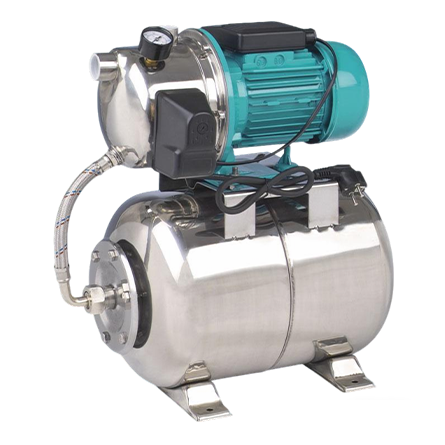
Essential Guide on Choosing a Stainless Steel Centrifugal Pump
Finding the right stainless steel centrifugal pump often happens when fluid cleanliness, active corrosion resistance, and reliable fluid transfer matter most to an operation. Yet, relying on the metal designation alone does not guarantee a successful match. For equipment distributors, mechanical contractors, and industrial plant buyers, the most dependable route is to define the operational duty point first and then evaluate materials, hydraulics, sealing mechanisms, motor specifications, and site conditions against it.
Technical selection should always start by analyzing the specific liquid and the exact duty point rather than just picking a random catalogue model number. This systematic approach helps global buyers compare different industrial options based on actual operating fit and efficiency, rather than being misled by initial purchase prices alone.
Start with the Liquid Rather than the Casing
Before requesting any quotation, describe the fluid medium in detail: its exact chemical name, concentration, operating temperature, viscosity, solids content, and standard cleaning methods. A stainless steel centrifugal pump can be an exceptional choice for clean water, mildly corrosive fluids, food-process transfer, and intensive washdown routines, but long-term compatibility depends entirely on every single wetted component. It is vital to ask whether 304 or 316 stainless steel is appropriate while confirming the impeller, main shaft, mechanical seal faces, O-rings, and internal gaskets alongside the casing.
For instance, a chloride-bearing liquid demands a far more corrosion-resistant specification than ordinary clean municipal water. High operational temperatures also alter seal elastomer limits and pressure tolerances. Furthermore, abrasive particles can drastically shorten both impeller and seal life, even if the base metal grade is technically acceptable. If the application involves sanitary processing, users must also define cleanability, surface finishes, cleaning chemicals, and hygienic compliance. Never assume a standard commercial transfer pump is automatically suited for a sensitive food or pharmaceutical sanitary line.
Calculate the Precise Duty Point for Flow and Head
The two most critical performance figures for a stainless steel centrifugal pump are the required flow rate and total dynamic head, commonly known as TDH. Flow defines the exact volume the system must move within a specific timeframe. TDH encompasses static elevation lift combined with total friction losses generated through pipes, valves, filters, fittings, and equipment. A pump may appear entirely adequate based on its maximum-flow rating yet completely miss the required duty once real piping friction losses are accounted for.
Consulting installers about pipe diameters, total run lengths, elevation shifts, valve configurations, filter conditions, and discharge pressures is essential. Selecting a performance curve where the requested duty sits comfortably near the pump's most efficient operating region—rather than at an extreme curve end—prevents excessive mechanical wear. Because centrifugal pumps move liquid by accelerating it outward from the impeller eye, the pump curve and the system curve must always work in harmony. Any later alteration in pipework can shift the actual operating point.
Review Suction Conditions and Net Positive Suction Head
On the suction side of the system, operators must carefully compare the available Net Positive Suction Head—known as NPSHA—with the pump’s required NPSHR at the target flow rate. NPSHA is a unique system characteristic, and maintaining a healthy safety margin helps prevent dangerous vapor formation, excessive noise, mechanical vibration, and sudden performance drops. Keeping suction piping as short and direct as possible, avoiding unnecessary restrictions, and accounting for high liquid temperatures or low source levels are critical steps. This verification is especially crucial for warm liquids, elevated storage tanks, long suction runs, or volatile fluids operating near their vapor pressure.
Match the Material Grade and Seal to the Process
Specifying only “stainless steel” is never enough for critical engineering projects. While 304 stainless steel serves many clean-water and moderate industrial applications well, 316 or 316L grades are often necessary when handling aggressive chemical environments or elevated chloride exposures. A professional supplier should always clearly document the proposed metal grade rather than hiding behind generic labels.
Mechanical seal selection deserves equal technical attention. Review seal-face materials, elastomer types, temperature ratings, and dry-running capabilities. Most standard centrifugal pumps must never run dry because frictional heat destroys the mechanical seal instantly. If occasional dry-running risks exist, they should be managed via automated control systems, liquid level switches, or specialized dry-run-resistant pump designs.
Overview of Key Selection Parameters
| Evaluation Parameter | Key Focus Area | Operational Impact |
| Liquid Medium | Chemistry, temperature, and solids | Prevents chemical degradation and seal wear |
| Duty Point | Flow rate and total dynamic head (TDH) | Ensures operation within peak efficiency curves |
| Suction & NPSH | NPSHA vs. NPSHR margins | Eliminates cavitation, noise, and vibration |
| Material Grade | 304 vs. 316/316L stainless steel | Guarantees long-term corrosion resistance |
| Sealing System | Mechanical faces and elastomers | Avoids fluid leakage and dry-run failures |
Choose the Right Motor and Electrical Specifications
Once hydraulic requirements are established, verify motor power with a reasonable service margin for the expected liquid characteristics. Record exact voltage, frequency, phase counts, enclosure types, insulation classes, ambient temperatures, and site protection needs. International export buyers must always double-check local electrical standards before finalizing a motor order.
Flyaway stands out as a trusted manufacturing partner, delivering advanced stainless steel centrifugal pump solutions built on rigorous global quality standards and robust supply chain capabilities. Through precision engineering and dependable manufacturing excellence, Flyaway empowers global distributors and industrial projects worldwide with efficient fluid management systems designed for maximum durability, customized OEM/ODM options, and seamless operational performance.






