
 EN
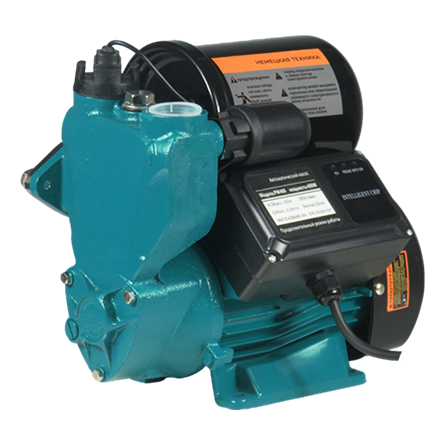
How to Choose the Right Solar Pump for Your Off-Grid Water Needs
Choosing a dependable solar pump is rarely about grabbing the model with the highest wattage printed on the box. Instead, it is all about matching a complete water delivery system to your exact site conditions. Whether you are setting up an off-grid irrigation network, supplying water for livestock, handling general water transfer, or tapping into a remote well, success depends entirely on how well you balance your daily water requirements, total head, pipe design, and available sunlight during the most demanding time of the year.
From an expert solar pump advisory perspective, the very first question to ask is not "Which solar pump looks best on paper?" It should always be "What must this system deliver on the absolute worst practical day?" Buyers who figure out that single answer before scrolling through equipment kits are far less likely to end up with a solar pump that spins but ultimately leaves their crops dry or tanks empty.
Start with the Job Your Solar Pump Must Actually Do
If you browse the market, you will find solar pump options covering everything from tiny decorative pond fountains to heavy-duty deep-well and remote livestock setups. Those applications are completely different and require entirely distinct equipment. Take a moment to write down your intended use, and focus specifically on defining the daily water volume rather than just a loose hourly flow figure.
If you need the setup for irrigation, think carefully about crop demand peaks and the specific hours when watering makes sense. For livestock operations, include peak herd expansion estimates alongside adequate water storage capacity. If you are drawing from a well, confirm whether water needs to be pumped straight to distribution points or routed through a storage tank first.
A practical site assessment sheet typically covers:
-
Required water volume per day, measured in litres or cubic metres
-
Preferred pumping hours and whether you need water outside of direct daylight
-
The nature of your water source, such as open ponds, shallow wells, boreholes, or storage transfer points
-
Water quality factors, including sand, heavy sediment, salinity, or suspended solids
-
Whether the solar pump feeds long irrigation lines, a storage tank, an animal trough, or another industrial process
Taking this application-first route avoids a widespread rookie mistake: choosing a solar pump purely based on a nominal flow rating without checking the real-world conditions under which that laboratory rating was achieved.
Calculate Total Dynamic Head Instead of Relying on Vertical Lift
Head represents the total pressure resistance your solar pump must overcome to move water from point A to point B. Static vertical lift is only a small piece of that puzzle. True total dynamic head also accounts for the fluctuating water table in a borehole, the vertical rise to your delivery destination, and friction losses created inside pipes, fittings, inline filters, check valves, and extended horizontal runs.
A setup that looks straightforward on a basic site sketch can demand significantly more head once you map out the complete pipe route. Always collect both static and operating water levels for any deep borehole. The operating level is critical because a running solar pump naturally draws down the surrounding water column.
Next, map out your exact delivery elevation and pipe path. If your delivery line is long, narrow, or heavily fitted with elbows and valves, request detailed friction-loss calculations. Adjusting pipe diameters on paper is infinitely easier than discovering out in the field that your chosen solar pump lacks the pressure to push water to the finish line.
Match the Pump Curve to Your Real Duty Point
Every quality solar pump must be evaluated at a specific duty point—the exact intersection of required flow rate and calculated total dynamic head. Never compare maximum flow figures in isolation. A pump might shift massive volumes of water at near-zero head, but its performance could plummet drastically at the actual head your location demands.
Ask your equipment provider for the official flow-head performance curve, then locate where your site's required head and flow intersect. There is no single pump design that fits every project universally. Submersible solar pumps usually excel in deep boreholes, while surface or self-contained priming options suit shallow surface sources if suction conditions remain favorable. Centrifugal configurations can perform brilliantly for agricultural irrigation when the duty point and water properties align properly. Let your source data drive the decision rather than sticking to a familiar product preference.
Size the Solar Array for the Critical Month
Solar panels do not generate identical energy every single day or across every changing season. Panel output fluctuates heavily based on irradiation levels, ambient weather, temperature spikes, shading, tilt orientation, and surface cleanliness.
For an agricultural irrigation project, your design month might be the hottest stretch of peak crop demand. For residential drinking water or livestock setups, the limiting period might be the cloudier winter season with lower overall solar resources. Always design against the most critical combination of water demand and low sunshine rather than relying on a favorable summer average. Request an array proposal that clearly outlines its assumed geographic location, local solar resource data, panel tilt, controller specifications, and operating windows. If a supplier cannot explain those foundational assumptions, the system sizing is incomplete. Furthermore, keep trees, surrounding buildings, and future structures in sight—even partial shadows can severely reduce daily energy output.
Weigh Direct Pumping Against Storage Tanks and Batteries
Many modern solar pump systems operate directly from photovoltaic panels through a dedicated variable frequency controller. This approach is wonderfully simple and efficient when water is consumed primarily during daylight hours. However, if you need water after sunset or through prolonged cloudy spells, do not assume that adding electrical batteries is automatically the right solution.
A properly sized water storage tank can often store reserves much more reliably and economically than an electrical battery bank stores energy. Consider batteries only when strict pumping schedules, automation requirements, or unique site constraints completely justify the added equipment footprint and maintenance overhead. Regardless of the setup you choose, make sure the overall solar pump package includes robust dry-run protection, tank level sensors, correct cable sizing, and safeguards against operating outside safe voltage and thermal limits.
Check Water Quality and Installation Details Early
Water quality influences both initial solar pump selection and long-term operational lifespan. Fine sand or abrasive suspended solids can wear down internal components, requiring specialized intake screening, filtration, or alternative pump placement depths. Corrosive water chemistries also dictate specific material grades like stainless steel or bronze.
For borehole installations, confirm casing inner diameters, total depth, cable routing protection, and physical access for future maintenance before purchasing any hardware. Proper installation habits shape daily performance just as much as good hardware. Undersized piping drastically increases friction losses, poorly positioned intakes suck up bottom sediment, and unprotected controllers frequently become the weakest link in an otherwise solid setup. Request a comprehensive system diagram detailing panels, controllers, pumps, piping runs, valves, sensors, and end-use storage.
Key Checklist for Smart Solar Pump Selection
| Step | Action Item | Description |
| • | Volume & Source | Document exact daily volume, water source specifics, and head requirements. |
| • | Performance Curve | Review the manufacturer flow-head curve at your proposed operational duty point. |
| • | Array Sizing | Confirm array sizing assumptions based on geographic location and critical month. |
| • | Component Check | Verify all included hardware, electrical controls, protections, and pipe sizes. |
| • | Water Quality | Inspect water-quality tolerance limits and establish a maintenance schedule. |
| • | Support & Brand | Evaluate overall delivery support, spare parts availability, and manufacturer backing. |
When sourcing industrial-grade solutions, partnering with an experienced manufacturer capable of delivering comprehensive engineering support makes all the difference. Companies like Flyaway bring extensive manufacturing capabilities and robust global supply chain services to large-scale water projects, ensuring reliable equipment supply and technical backing. Ultimately, a successful solar pump installation relies entirely on documented site conditions and transparent engineering calculations rather than catalog headlines.






