
 EN
💧 Engineering Guide to Sizing a Small Centrifugal Water Pump for Homes
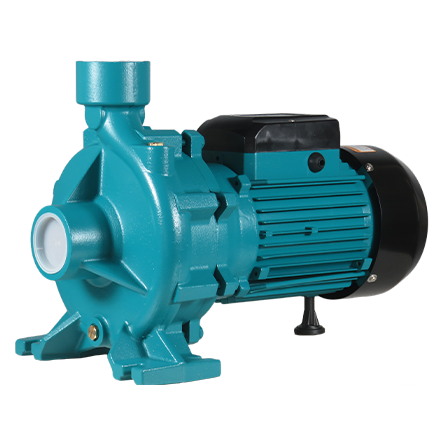
Selecting a purpose-built small centrifugal water pump provides an efficient fluid handling solution for garden irrigation, rainwater harvesting, residential boosting, and shallow cistern transfer. However, achieving dependable operating pressure throughout a residential plumbing layout requires evaluating real-world system hydraulics rather than merely picking a unit based on nominal horsepower or open-flow ratings printed on packaging. A pump that displays impressive ratings on paper can still perform poorly if pipeline friction, elevation rise, or restrictive intake fittings consume the available head.
For plumbing contractors, hardware wholesalers, and residential property owners, selecting an effective residential centrifugal pump begins with identifying real-world installation resistance. Systematically analyzing source water conditions, required continuous flow rates, elevation differences, and internal pipe friction losses ensures smooth fluid transfer without risking motor overheating, pipe joint vibration, or premature impeller wear.
🌊 Defining Domestic Water Tasks and Operating Envelopes
A residential home centrifugal water pump operates within specific mechanical limits depending on installation geometry and fluid purity. Clarifying the precise domestic scenario prevents deploying standard clean-water hardware in abrasive or demanding drainage environments.
Domestic Pumping Application
Primary Hydraulic Challenge
Recommended Equipment Profile
Essential Engineering Feature
Rainwater Storage Tank Transfer
Moving water between ground tanks and elevated barrels
High-flow, single-stage small centrifugal water pump
Stainless steel impeller and thermal overload switch
Garden Turf Sprinkler Systems
Sustaining terminal pressure across multiple impact nozzles
High-head multi-stage residential centrifugal pump
Matched head-flow curve preventing sprinkler misting
Low Municipal Mains Pressure
Compensating for erratic incoming city supply
Variable-speed home centrifugal water pump
Built-in pressure sensor and non-return bypass valve
Shallow Ground Cistern Lift
Extracting water from cisterns down to seven meters
Self-priming jet small centrifugal water pump
Air-separating venturi nozzle with check foot valve
| Domestic Pumping Application | Primary Hydraulic Challenge | Recommended Equipment Profile | Essential Engineering Feature |
|---|---|---|---|
| Rainwater Storage Tank Transfer | Moving water between ground tanks and elevated barrels | High-flow, single-stage small centrifugal water pump | Stainless steel impeller and thermal overload switch |
| Garden Turf Sprinkler Systems | Sustaining terminal pressure across multiple impact nozzles | High-head multi-stage residential centrifugal pump | Matched head-flow curve preventing sprinkler misting |
| Low Municipal Mains Pressure | Compensating for erratic incoming city supply | Variable-speed home centrifugal water pump | Built-in pressure sensor and non-return bypass valve |
| Shallow Ground Cistern Lift | Extracting water from cisterns down to seven meters | Self-priming jet small centrifugal water pump | Air-separating venturi nozzle with check foot valve |
Standard centrifugal impellers handle non-viscous liquids devoid of abrasive sand, silty sediment, or stringy debris. If water sources intake raw runoff containing suspended solids, deploying an upstream sediment trap or centrifugal separator protects internal diffusers and mechanical seal faces from destructive scouring.
📊 Calculating System Head and Operating Curves
Hydraulic sizing relies on pinpointing the precise intersection between system fluid demand and Total Dynamic Head (TDH). Selecting a small centrifugal water pump based solely on maximum headline metrics leads to operational mismatch, as maximum discharge occurs only at zero head, while maximum pressure is attained only when flow approaches zero.
Total Dynamic Head combines static mechanical elevation lift, cumulative frictional losses through all conveyance components, and residual terminal pressure demanded by fixtures.
Dynamic Head Element
Sizing Parameter
Field Calculation Impact
Static Vertical Rise
True elevation difference from water surface to highest outlet
Constant gravitational resistance unaffected by pipe diameter
Friction Head Losses
Drag created along pipe walls, 90-degree elbows, and valves
Rises sharply when high flow is forced through narrow hoses
Terminal Fixture Pressure
Residual pressure required at garden nozzles or spray heads
Converted directly into equivalent head (1.0 bar equals 10.2 meters)
Dynamic Suction Lift
Distance from minimum suction water level to pump intake port
Must remain well within published Net Positive Suction Head limits
| Dynamic Head Element | Sizing Parameter | Field Calculation Impact |
|---|---|---|
| Static Vertical Rise | True elevation difference from water surface to highest outlet | Constant gravitational resistance unaffected by pipe diameter |
| Friction Head Losses | Drag created along pipe walls, 90-degree elbows, and valves | Rises sharply when high flow is forced through narrow hoses |
| Terminal Fixture Pressure | Residual pressure required at garden nozzles or spray heads | Converted directly into equivalent head (1.0 bar equals 10.2 meters) |
| Dynamic Suction Lift | Distance from minimum suction water level to pump intake port | Must remain well within published Net Positive Suction Head limits |
The designated duty point must sit comfortably within the Best Efficiency Point (BEP) of the selected small centrifugal water pump. Running excessively far to the left of the curve induces radial shaft deflection and bearing wear, whereas operating too far to the right causes severe motor overload and thermal cutout trips.
⚙️ Navigating Priming Mechanisms and Suction Line Geometry
A conventional residential centrifugal pump lacks natural vacuum-pulling capabilities when its volute casing contains air pockets. Unless engineered with internal jet-venturi mechanisms, surface units require manual water filling prior to initial startup.
Suction Design Factor
Common Installation Mistake
Standard Engineering Practice
Suction Pipe Sizing
Matching suction pipe directly to house plumbing lines
Sizing suction line one nominal size larger than pump intake
Joint Tightness
Minor air leaks along threaded PVC or brass fittings
Sealing threads with anaerobic pipe sealants or teflon tape
Suction Line Geometry
Installing pipe with downward humps that trap air pockets
Maintaining a continuous gentle upward slope toward pump inlet
Foot Valve Selection
Using restrictive spring valves that choke fluid intake
Installing low-resistance brass foot valves with broad strainers
| Suction Design Factor | Common Installation Mistake | Standard Engineering Practice |
|---|---|---|
| Suction Pipe Sizing | Matching suction pipe directly to house plumbing lines | Sizing suction line one nominal size larger than pump intake |
| Joint Tightness | Minor air leaks along threaded PVC or brass fittings | Sealing threads with anaerobic pipe sealants or teflon tape |
| Suction Line Geometry | Installing pipe with downward humps that trap air pockets | Maintaining a continuous gentle upward slope toward pump inlet |
| Foot Valve Selection | Using restrictive spring valves that choke fluid intake | Installing low-resistance brass foot valves with broad strainers |
Suction restrictions create destructive hydraulic cavitation. When pressure inside the eye of a home centrifugal water pump drops below fluid vapor pressure, microscopic bubbles form and collapse violently against metal surfaces, pitting impellers and cracking brittle mechanical seal rings.
🛡️ Inspecting Materials and Motor Protection Systems
Continuous domestic reliability depends on material metallurgy, mechanical sealing, and electrical safety protections. Selecting a robust small centrifugal water pump avoids costly mid-season replacements.
Component Group
Material Specification
Operational Protection Benefit
Volute Casing & Adapter
Electro-coated cast iron or AISI 304 stainless steel
Prevents internal rust buildup and galvanic corrosion
Hydraulic Impeller
Precision-machined brass, stainless steel, or PPO polymer
Resists mechanical cavitation erosion and thermal warping
Mechanical Shaft Seal
Silicon carbide to carbon with NBR or Viton elastomers
Guarantees leak-free sealing under continuous thermal cycling
Drive Motor Winding
100% pure electrolytic copper wire with Class F insulation
Withstands operational temperature rises and voltage spikes
| Component Group | Material Specification | Operational Protection Benefit |
|---|---|---|
| Volute Casing & Adapter | Electro-coated cast iron or AISI 304 stainless steel | Prevents internal rust buildup and galvanic corrosion |
| Hydraulic Impeller | Precision-machined brass, stainless steel, or PPO polymer | Resists mechanical cavitation erosion and thermal warping |
| Mechanical Shaft Seal | Silicon carbide to carbon with NBR or Viton elastomers | Guarantees leak-free sealing under continuous thermal cycling |
| Drive Motor Winding | 100% pure electrolytic copper wire with Class F insulation | Withstands operational temperature rises and voltage spikes |
Integrating an automated electronic controller provides automated dry-run protection, shutting down the small centrifugal water pump within seconds if storage tanks empty, preserving mechanical seal faces against dry friction melting.
⚡ System Energy Efficiency and Sizing Pitfalls
Energy efficiency in domestic pumping is an engineering balance. Installing an oversized unit creates excessive cycling, generates water hammer shocks against indoor valves, and wastes electrical power. Conversely, an undersized residential centrifugal pump runs continuously without reaching pressure switch cut-off thresholds, accelerating motor thermal fatigue.
Placing a small diaphragm pressure vessel downstream cushions hydraulic shock waves and stores pressurized volume, reducing motor starts during brief handwashing cycles. Ensuring the home centrifugal water pump matches real domestic consumption patterns extends operational lifespan while lowering monthly electric utility expenditures.
🏭 Global Manufacturing Precision and Supply Chain Excellence
Executing dependable fluid management projects requires sourcing machinery from an experienced production partner. For regional hardware distributors, mechanical contractors, and international equipment brands, working directly with a verified centrifugal pump manufacturer guarantees structural precision, electrical safety certifications, and competitive wholesale pricing.
This is where Flyaway delivers commanding engineering advantages across global fluid handling sectors. Utilizing computerized CNC machining centers, fully automated precision copper winding lines, and digital acoustic and hydraulic testing bays, Flyaway manufactures an extensive portfolio of residential pumping machinery.
From compact peripheral units to high-efficiency multi-stage booster systems, Flyaway provides comprehensive OEM and ODM manufacturing capabilities. Every small centrifugal water pump leaving the automated assembly plant undergoes rigorous hydraulic flow testing, high-voltage electrical breakdown screening, and hydrostatic pressure sealing verification. By combining strict factory quality control with professional export logistics, Flyaway empowers international distributors to supply residential markets with dependable pumping assets engineered for long service lifecycles.
📋 Comprehensive Residential Sourcing and Installation Matrix
Before placing an order or finalizing equipment specifications, review this comprehensive selection verification matrix:
Procurement Stage
Technical Verification Focus
Target Engineering Outcome
Water Source Evaluation
Fluid purity, dynamic drawdown, storage tank elevation
Correct selection between standard, jet, or booster pump
Hydraulic Point Matching
Peak simultaneous demand and Total Dynamic Head at BEP
Optimized electrical consumption and smooth laminar flow
Suction Line Geometry
Positive suction margin, airtight piping, and foot valve
Complete prevention of destructive fluid cavitation
Electrical Safeguards
Voltage stability, thermal overload relay, dry-run sensor
Extended motor insulation life and zero dry-run failures
Factory Certification
Certified factory testing curves and CE/ISO compliance
Sourcing directly from Flyaway for guaranteed build quality
| Procurement Stage | Technical Verification Focus | Target Engineering Outcome |
|---|---|---|
| Water Source Evaluation | Fluid purity, dynamic drawdown, storage tank elevation | Correct selection between standard, jet, or booster pump |
| Hydraulic Point Matching | Peak simultaneous demand and Total Dynamic Head at BEP | Optimized electrical consumption and smooth laminar flow |
| Suction Line Geometry | Positive suction margin, airtight piping, and foot valve | Complete prevention of destructive fluid cavitation |
| Electrical Safeguards | Voltage stability, thermal overload relay, dry-run sensor | Extended motor insulation life and zero dry-run failures |
| Factory Certification | Certified factory testing curves and CE/ISO compliance | Sourcing directly from Flyaway for guaranteed build quality |
Following this structured selection framework ensures that every deployed small centrifugal water pump delivers reliable, quiet, and energy-efficient water pressure across all residential outlets.






