
 EN
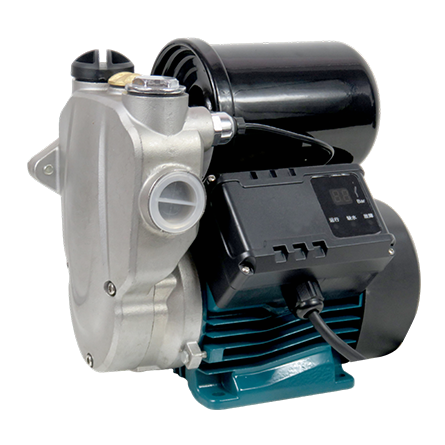
How to Choose the Right Shower Water Pump
Dealing with a weak, dribbling shower is deeply frustrating, but simply rushing out to buy the biggest motor on the shelf is rarely the correct fix. Choosing the right shower water pump requires careful evaluation of your incoming water supply, the total number of shower outlets running at the same time, your existing plumbing pipework, and the physical installation space available. When dealing with weak water pressure, a standard pump selection process must be followed to ensure stable flow performance across your entire plumbing layout. This comprehensive guide specifically focuses on domestic shower booster applications, as portable camping setups or heavy industrial deep-well pumps require entirely different purchasing criteria.
Before jumping into equipment shopping, always start by confirming why your shower flow is weak in the first place. Separate a low-pressure supply problem from a simple local plumbing restriction. A blocked shower head, a clogged inline filter, a partly closed isolation valve, an undersized pipe run, or a failing mixing valve can all restrict water flow dramatically. Simply replacing a shower water pump will not correct those underlying mechanical faults, especially if the root cause is poor water pressure or a restricted plumbing layout.
Identify the Water Source and Plumbing Layout
The very first question to ask is not how many bar of pressure you need, but rather what is feeding the pump. Common domestic arrangements include an overhead gravity-fed cold storage tank, a municipal mains supply with inadequate residual pressure, or an off-grid rainwater tank. Some configurations require a positive-head pump because natural gravity reliably feeds the inlet; others require a negative-head or universal model capable of detecting demand where the natural inlet pressure is extremely low. Proper pump selection is critical here, as making the wrong choice will heavily degrade your daily flow performance and overall water pressure. Never assume these specific pump types are interchangeable within your home plumbing layout.
You must also confirm your hot-water cylinder and heater arrangement. A reliable shower water pump must be fully compatible with your water heater, storage cylinder, your home plumbing layout, and local building regulations. If your hot and cold supplies are stored separately at different pressures, a twin-impeller model is usually appropriate so that the shower mixer receives balanced boosted supplies, instantly improving your daily flow performance and resolving low water pressure issues.
Size Flow Performance Before Chasing Pressure Numbers
While pressure helps water overcome resistance, actual flow determines how much water reaches your shower head per minute. During your pump selection phase, list every single plumbing outlet that could potentially run at the same time. For a single bathroom shower, size your equipment around that specific required flow. For two simultaneous showers or a shower running alongside a bathroom tap, combine the expected simultaneous demand and leave a sensible engineering allowance rather than relying on a single headline pressure figure. Good flow performance depends heavily on how well your shower water pump integrates with your existing plumbing layout.
Always study the manufacturer pump curve if one is provided by the supplier. It illustrates precisely how much flow the pump can deliver at different working heads. The rated maximum flow and rated maximum pressure are rarely achieved simultaneously. A useful pump selection discussion should always account for your desired shower flow, vertical lift height, pipe length and inner diameter, bends, filters, and valves to maintain optimum water pressure and stable flow performance.
Account for Pipe Losses, Height, and Restrictions
A shower located on an upper floor requires significantly more operational pressure than one situated near the ground floor because the pump must lift water vertically as well as push it through long horizontal pipes. Long pipe runs, narrow copper or plastic diameters, flexible connecting hoses, multiple elbows, inline filters, and restrictive check valves all add heavy friction losses. In real-world installations, many perceived pump problems are actually poor plumbing layout problems that restrict overall flow performance and drop local water pressure.
Measure the vertical distance from your supply water level up to the highest shower outlet. Keep suction pipework as short and appropriately sized as the manufacturer mandates. Air leaks or restricted inlet conditions can easily cause annoying humming noise, unreliable starting, cavitation, and shortened mechanical life. Making a smart pump selection requires accounting for these losses so your shower water pump operates smoothly within your specific building structure.
Choose a Suitable Pump Configuration and Setup
Single-impeller pumps suit systems where only one specific supply needs boosting, whereas a twin-impeller shower water pump is commonly chosen when both hot and cold supplies require balanced boosting. Furthermore, automatic demand-sensing features make a pump convenient to operate, but they should never be treated as a substitute for a reliable water source. If your water source runs dry, ensure you have proper dry-running protection installed to prevent severe damage to seals and internal components.
Treat operational noise and vibration as vital selection factors. A quiet product on a marketing brochure can still sound intrusive if installed on a resonant wooden floor, against a lightweight wall, or connected to rigid pipework. Always choose an accessible service location protected from moisture and placed away from bedrooms where practical. Use approved anti-vibration mounting feet and flexible connectors to keep operations smooth and quiet.
Verify Electrical Safety and Environmental Conditions
Water and electricity demand extreme caution and strict separation. Confirm your local supply voltage, frequency, plug or hard-wire requirements, circuit capacity, grounding, and residual-current protection standards. Bathroom electrical zones and local regulations frequently dictate where equipment can be installed safely. Always hire a qualified electrician and plumber when local regulations require professional certification.
Review the pump ingress protection ratings, ambient temperature limits, and water temperature ranges. For distributors, installers, and project buyers, requesting a precise specification sheet detailing duty conditions is far more reliable than relying on model names alone. Flyaway provides comprehensive technical pre-sales guidance based on the exact flow, head, power supply, and installation conditions you provide, ensuring full compliance before purchase and helping you optimize your overall pump selection, water pressure, and flow performance.






