
 EN
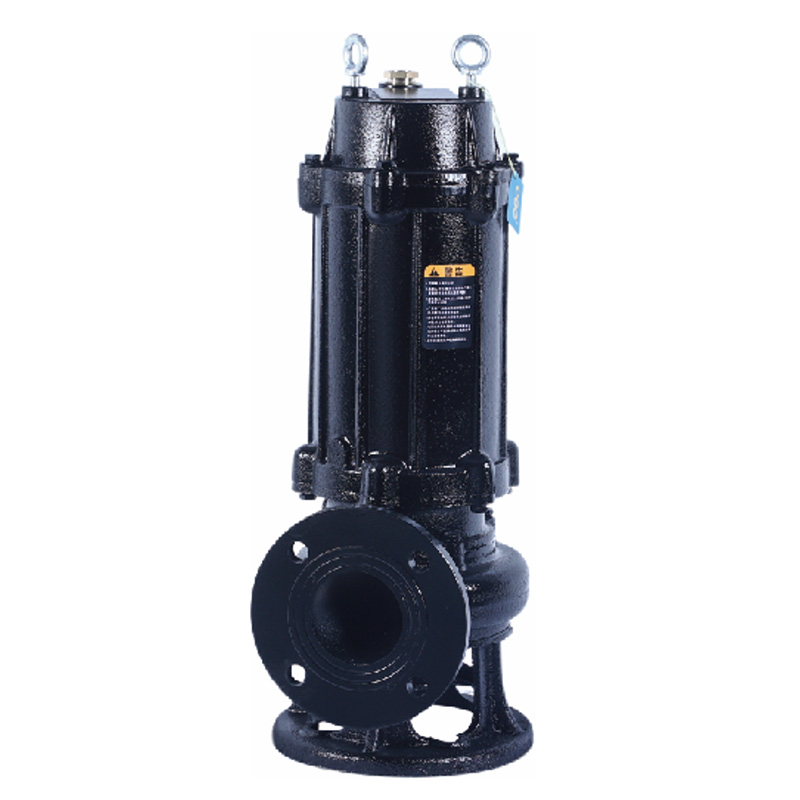
Understanding Your Wastewater Needs Before Buying a Sewage Pump
Choosing the right equipment for wastewater management is never about grabbing the biggest motor off the shelf. Whether you are a homeowner finishing a basement bathroom, an experienced plumbing installer, or a distributor stocking commercial inventory, a sound selection starts with what enters the basin and ends with the exact flow and pressure required at the discharge point. Selecting the wrong class can lead to frequent clogs, short cycling, or premature mechanical wear.
A proper evaluation begins by listing every plumbing fixture draining into the basin. A basement bathroom group below the main sewer line faces entirely different hydraulic demands than a light-commercial washroom, a remote outbuilding, or an industrial wastewater pit carrying unusual materials. If everyday usage involves rags, sanitary wipes, fibrous materials, or difficult debris, always consult an engineer or qualified supplier to determine whether a specialized grinder pump or a robust solids-handling design is required. No standard sewage pump should ever be treated as a catch-all solution for every non-flushable item people manage to drop down a drain.
Evaluating Solids-Handling Capacities and Discharge Requirements
Before looking at horsepower ratings, look closely at the manufacturer's stated solids-passage rating and match it directly to the application and discharge pipe size. A solids-handling pump is specifically engineered to pass a specified spherical solid size, but that rating is never an excuse to ignore the waste stream or rely on undersized piping. Always evaluate the pump curve, impeller design, discharge diameter, and local plumbing codes as a single, cohesive system.
For a straightforward residential setup, a submersible sewage pump featuring proper solids passage is typically the most practical option. This category of sewage pump is usually installed below the floor line and must align seamlessly with the basin and discharge layout. However, applications featuring high static lift, exceptionally long pipe runs, or heavy debris require a completely different approach. Record the expected duty point first, then compare the documented performance curves at that exact operating point rather than relying on peak flow figures found on promotional brochures. Furthermore, any proper sewage basin requires adequate physical room for the pump housing, internal controls, and easy service access.
Calculating Required Flow and Total Dynamic Head
When dealing with any sewage pump, the two numbers that truly matter are the required flow rate and the total dynamic head (TDH) at that specific flow. TDH combines vertical static lift with all friction losses generated by pipe length, fittings, check valves, elbows, and discharge components. A unit can look remarkably powerful on a nameplate yet deliver pitiful amounts of water if the actual system head is much higher than initially assumed.
Determining this operating point requires a step-by-step calculation:
-
Measure static lift, which is the exact vertical distance from the active pumping level in the basin up to the final discharge point.
-
Map out the entire discharge line by noting its diameter, total length, number of elbows, valves, and elevation changes.
-
Estimate friction loss using specific pipe and fitting data rather than making rough guesses based purely on distance.
-
Set the required flow rate based on fixture demand, basin cycling intervals, and the velocity needed to keep waste moving adequately.
-
Read the pump curve carefully to choose a sewage pump delivering the necessary flow at the calculated TDH while maintaining a healthy operating margin.
As a helpful engineering reference point, standard wastewater-sizing guides associate a minimum self-cleaning velocity of two feet per second with approximately twenty-one gallons per minute in two-inch pipe, forty-six gallons per minute in three-inch pipe, and seventy-eight gallons per minute in four-inch pipe. Always treat these values as starting references rather than a substitute for local plumbing codes, pipe material specifications, or manufacturer instructions.
Inspecting Basin Dimensions, Float Switches, and Controls
The basin itself is an integral part of the overall sewage pump system, meaning basin dimensions must be verified right alongside the pump specs. Verify the basin diameter, total depth, inlet height, cover sealing, venting arrangements, and the usable volume existing between the float-on and float-off levels. A unit that fits physically can still prove to be a poor match if the float mechanism lacks room to operate freely or causes the system to cycle far too frequently.
Choosing the right switch arrangement depends heavily on basin geometry. A tethered float requires ample room to swing safely; industry references recommend allowing roughly eighteen inches of clearance as a reliable margin, whereas vertical switches often suit tighter basins better. Always confirm these arrangements against the physical basin and manufacturer installation guides. For critical applications, incorporating a high-water alarm is essential, and wherever unexpected downtime is simply unacceptable, deploying a duplex arrangement featuring alternating pumps provides vital redundancy.
Matching Electrical Power, Motor Specs, and Site Protection
Before placing an order for a sewage pump, always confirm the incoming voltage, phase, frequency, circuit capacity, and proper motor protection methods. The pump motor and its corresponding control panel must match the available electrical service on-site. An incorrect electrical match frequently causes nuisance breaker trips, severe overheating, or permanent motor damage. For outdoor or damp installations, ensure that wiring methods, grounding procedures, and control components strictly comply with applicable electrical codes.
Avoid using horsepower as the primary filtering criterion. Horsepower supports the hydraulic duty, but it never replaces a thorough pump-curve check. A well-matched smaller motor is almost always preferable to an oversized unit that operates far away from its optimal efficiency region or triggers excessive electrical cycling.
Reviewing Materials, Service Access, and Maintenance
Wastewater chemistry, operating temperatures, abrasive particles, and total running hours heavily influence the overall service life of a sewage pump. Review the specified casing materials, impeller design, mechanical seals, fasteners, power cables, and bearing assemblies against the intended working environment. A durable cast-iron sewage pump suits many standard installations, but material selection should always reflect the actual waste stream rather than a generic rule of thumb.
Practical service questions also deserve attention: Can the unit be removed easily without disturbing the entire basin? Are check valves and isolation valves installed where needed? Are replacement switches and seals readily available? Establishing a clean maintenance plan involving periodic inspections, alarm testing, and the removal of non-flushable debris prevents far more failures than simply upgrading to a larger motor.
Key Considerations Before Finalizing Your Selection
Bringing all these elements together ensures a reliable installation. To summarize the decision-making process, buyers should review a clear checklist:
-
What exact wastewater and solids will the pump handle daily?
-
What flow rate is required, and what is the calculated total dynamic head?
-
What solids-passage rating and discharge pipe size are appropriate?
-
Do the basin dimensions allow the selected float switch to operate correctly?
-
Does the electrical supply match the motor and controls?
-
Are check valves, high-water alarms, and backup provisions necessary?
-
What material construction and maintenance access suit the physical site?
-
Has the final selection been verified against the manufacturer curve and local codes?
Sourcing Reliable Wastewater Solutions
Making the final selection requires anchoring decisions in verified site data, including the waste stream, required flow, total dynamic head, pipework layouts, basin geometry, control systems, and power supplies. Collecting these details thoroughly before requesting a formal quotation ensures smooth project execution. Flyaway provides robust manufacturing capabilities, strict quality control standards, and reliable supply chain services to support technical pre-sales discussions, helping global distributors and contractors compare available sewage pump options with confidence. Collaborating with qualified pump professionals guarantees that every installation meets high performance and safety standards.






