
 EN
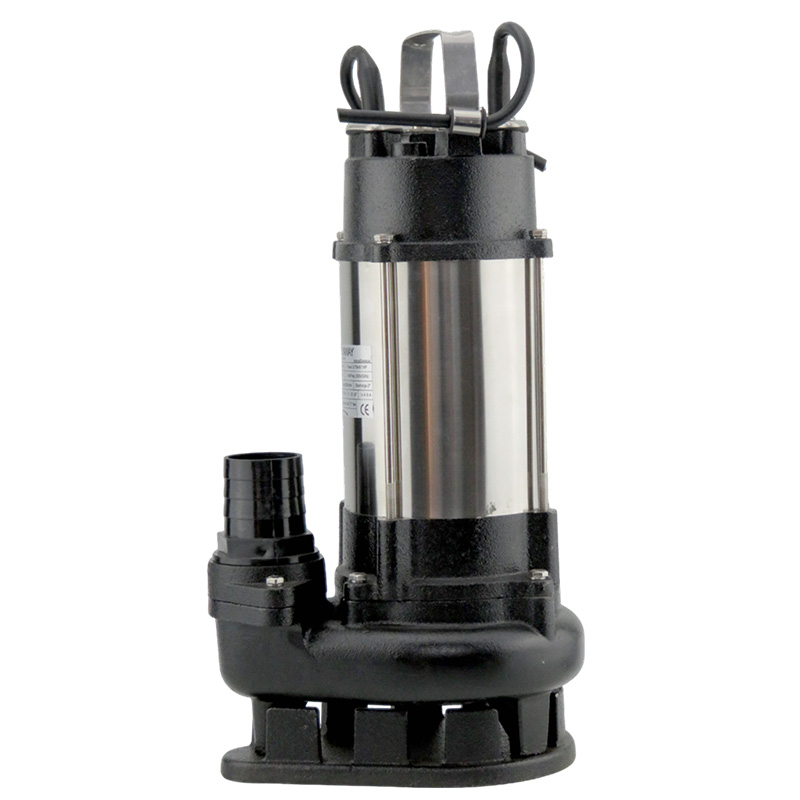
Understanding Deep Well Submersible Pump Requirements
Choosing a deep well pump is far less about buying the highest-horsepower model available on the market and much more about matching a specific pump to the actual water level, daily demand, pipework layout, and electrical power accessible at one site. As an experienced pump selection adviser, successful projects always start with working conditions. A properly selected unit that performs brilliantly on paper can still disappoint end users when the pumping water level drops or a long irrigation line adds unexpected friction resistance.
For global distributors, commercial farm projects, and municipal water-supply buyers, a disciplined selection process helps prevent under-delivery during peak seasonal demand and avoids an expensive deep well pump replacement caused by a poor technical match rather than a manufacturing defect. Turning rough site data into a clear request for the appropriate pump curve and configuration safeguards long-term performance.
Confirming the Right Submersible Pump Type for Your Borehole
A deep well pump is normally selected when the water source is a deep borehole or water well and the required vertical lift is completely beyond the practical working range of a standard surface pump. In many such applications, a submersible pump unit is installed safely below the pumping water level and pushes water upward efficiently. This physical arrangement avoids relying on long, troublesome suction lifts, but it does not remove the absolute necessity to calculate the full system duty correctly.
Never choose a deep well pump based solely on the total drilled depth of the well. A well that is physically very deep may actually feature a relatively shallow pumping water level, whereas another well can draw down significantly while water is being extracted. The active pumping water level—not merely the initial drilling depth—serves as the most reliable starting point for any proper deep well pump selection.
Collecting Comprehensive Site Data Before Comparing Pump Curves
Always ask the site installer, property owner, or drilling contractor for a short, accurate data sheet before requesting a quotation. It should record the exact bore diameter, static water level, expected pumping water level, desired flow rate, total discharge height, pipe length and diameter, electrical supply characteristics, raw water quality, and the overall well recovery rate. Missing numbers should always be treated as open selection risks rather than guessed blindly.
-
Well dimensions must confirm casing inside diameters and the exact clearance available for the pump, motor, power cable, and safety rope.
-
Water levels require recording both static levels and active pumping levels, recognizing that seasonal demand shifts can alter well yields.
-
Required flow rates should state exact metrics at the final delivery point rather than relying on aspirational maximum capacities.
-
Delivery conditions must factor in elevation changes, storage tank heights, pipe routes, valves, filtration units, and necessary operating pressure.
-
Water conditions must note sand content, mineral concentrations, salinity, or chemical properties that influence wetted materials and wear resistance.
Calculating Total Dynamic Head Beyond Simple Vertical Depth
The central calculation for selecting any reliable deep well pump is total dynamic head. In plain engineering terms, total dynamic head combines the vertical lift from the pumping water level, the pressure needed at the discharge point, and all friction losses occurring across pipes, fittings, filters, and control valves. A long, undersized delivery pipe can add massive resistance to the system. Selecting a pump using only the basic depth figure will place the unit far away from its optimal operating efficiency point.
Reviewing the manufacturer performance curve helps identify the exact flow that a selected model produces at the calculated total dynamic head. The ideal choice is never automatically the model featuring the highest head or maximum flow; instead, it is the specific model that delivers the required duty point smoothly with a safe operating margin.
Matching Flow Demand to Well Recovery and Irrigation Systems
A pump should never withdraw groundwater faster than the aquifer can sustainably recover. If recovery data remains uncertain, field testing or conservative operating controls must be implemented. Persistent drawdown exposes a submersible pump to poor motor cooling conditions, draws in abrasive sediment, and creates premature failure symptoms that look like a pump defect but stem from source-capacity issues.
For agricultural irrigation, working backward from the field system is essential. Drip zones require known flow and pressure at their emitters, while sprinkler layouts demand specific operating parameters. Adding line losses together reveals what the deep well pump must achieve at the wellhead. When water demand varies widely across different zones, incorporating storage tanks, pressure tanks, controllers, or staged schedules makes a smaller, well-matched deep well pump far more practical than an oversized unit.
Verifying Bore Diameter, Motor Power, and Electrical Compatibility
The physical and electrical configuration matters just as much as the hydraulic curve. Verifying the outside diameter of both the pump and motor against the well casing ensures smooth installation clearance. Confirming operating voltage, phase, frequency, cable length, starting methods, and protection devices prevents operational failures. Long cable runs demand careful attention regarding voltage drop, as an otherwise correct deep well pump package can suffer from sluggish starts or motor overheating if electrical design is incomplete.
Power capacity must support the required duty, but more horsepower does not automatically create more usable head. The pump and motor must be integrated as a fully compatible assembly. For remote operations or fluctuating power grids, discussing overload protection, dry-run sensors, and control box suitability before finalizing orders guarantees reliable long-term service.
Specifying Durable Materials for Specific Water Conditions
Clean groundwater and abrasive or mineral-rich water place vastly different demands on a submersible pump assembly. Fine sand accelerates impeller and diffuser wear, while aggressive minerals or high salinity require specialized wetted materials and mechanical seal choices. Obtaining a water sample or local quality history is invaluable for installations expected to run long, demanding irrigation cycles. Clear documentation regarding models, motors, cables, and installation depths simplifies future maintenance for farm managers and project distributors.
Planning a Replacement with a New System Duty Check
A failed unit does not automatically mean the exact same model is the correct replacement. Rechecking current pumping levels, pipework expansions, irrigation layouts, electrical supplies, and daily operating hours is crucial. Systems often add longer lines, extra emitters, or new filtration stages over time. Comparing old operational symptoms with current site data helps prevent repeating original specification mismatches.
For bulk buyers, agricultural developers, and regional distributors seeking reliable manufacturing partnerships and robust supply chain solutions, collaborating with Flyaway ensures access to expertly reviewed pump duty points, professional technical support, and durable water-supply configurations tailored to demanding global project requirements.






