
 EN
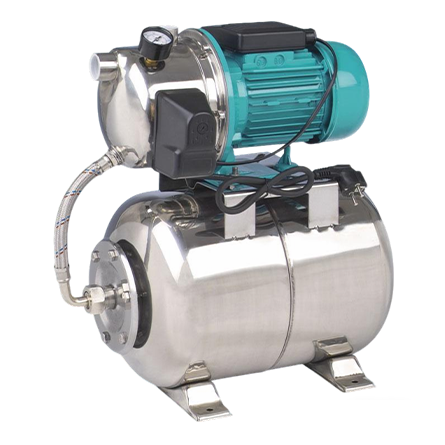
Choosing a Constant Pressure Water Pump: A Complete Guide for Distributors and Buyers
Selecting a high-performance constant pressure water pump is rarely about purchasing the largest motor available on the market today. Instead, successful engineering requires matching a complete, integrated water booster system to actual site demands. For distributors, contractors, and project buyers, understanding how a constant pressure water pump reacts when multiple outlets open simultaneously, when demand drops to a trickle, or when source water levels fluctuate is critical for long-term reliability. Without a proper system-level approach, buyers often end up with a water booster system that looks powerful on specification sheets but suffers from rapid cycling, excessive energy consumption, or failure to maintain usable pressure at the furthest outlet.
A modern constant pressure water pump package typically combines a centrifugal pump with an advanced pressure controller or variable speed pump drive, a high-precision pressure sensor, and a compact pressure tank. The integrated pressure controller dynamically adjusts the variable speed pump motor speed as consumer demand shifts. This innovative technology proves invaluable for commercial buildings, agricultural irrigation zones, and industrial wash stations where water requirements constantly fluctuate. However, electronic control cannot substitute for correct pipe sizing, a reliable water source, or realistic duty-point calculations within any water booster system.
Defining Required Flow Rates Before Comparing Models
Successful pump selection always begins with maximum simultaneous demand rather than the flow rate of a single tap or emitter. Project planners should list every outlet that might operate at the same time and estimate the combined flow in litres per minute or cubic metres per hour. When utilizing a constant pressure water pump, focusing on the design flow of the largest active zone rather than the entire network prevents oversizing the water booster system.
Equally important is identifying the minimum flow threshold where stable control remains necessary. Systems operating across a wide demand range require a variable speed pump and pressure controller combination that remains stable even at low motor speeds. If minimum demand is extremely low, incorporating a small diaphragm pressure tank or utilizing zoning helps prevent rapid motor cycling and premature equipment wear across the entire water booster system.
Calculating Total Dynamic Head Beyond Simple Elevation
Total dynamic head represents the total pressure a constant pressure water pump must overcome at a specific flow rate. This metric accounts for vertical elevation, required delivery pressure, and friction losses across pipes, fittings, valves, and filters. Static elevation remains constant, whereas friction losses escalate exponentially with higher flow velocities. Long pipe runs with undersized diameters frequently consume far more head pressure than buyers anticipate.
When making preliminary selections for any water booster system, converting desired delivery pressure into equivalent head units ensures accurate sizing. Consulting hydraulic specialists during pipe layout reviews ensures optimal performance for your variable speed pump setup, particularly when dealing with intricate filtration networks. The ideal operating point sits precisely where the constant pressure water pump performance curve intersects the actual system resistance curve.
Evaluating Pump Curves Across the Entire Operating Range
Accepting a constant pressure water pump model solely because its maximum shut-off head exceeds basic calculations is a common pitfall. Technicians must review performance curves across maximum, normal, and reduced flow conditions. The preferred operating region should cover the expected daily duty cycle comfortably.
Oversizing forces the pressure controller and variable speed pump to run at excessively low frequencies, introducing hydraulic instability and rapid cycling risks. Conversely, undersizing leaves no safety margin for pipe aging, clogged filters, or future facility expansions. Requesting complete manufacturer datasheets containing motor ratings, allowed speed ranges, and pressure controller limits ensures seamless integration within your water booster system.
Matching Pressure Setpoints to Specific Applications
Pressure setpoints must be determined by the most demanding outlet in the system, working backward to account for cumulative friction losses. Garden hoses, upper-floor showers, and industrial pressure washers demand vastly different operating pressures when running off a constant pressure water pump. Excessive setpoints unnecessarily increase energy consumption, operational noise, pipe stress, and leakage risks.
Operators should also evaluate whether the network requires a single fixed setpoint or divided pressure zones. Facilities spanning significant elevation changes benefit greatly from pressure-reducing valves rather than maintaining an unsustainably high global setpoint for the entire water booster system. Proper tuning of the variable speed pump ensures stable delivery across all connected endpoints.
Assessing Water Source Quality and Suction Conditions
Even advanced electronic pressure controller units cannot compensate for poor inlet conditions. Technicians must verify static water levels, inlet pressure, pipe diameters, strainer cleanliness, and potential air entrapment risks. For surface water intakes or storage tanks, confirming allowable suction lift and net positive suction head prevents cavitation, vibration, and premature impeller erosion on any variable speed pump.
Water quality parameters such as suspended sand, mineral scale, temperature extremes, and chemical treatments dictate the necessary seal materials and casing metallurgy. Gathering comprehensive inlet data ensures uninterrupted, unattended operation over the equipment lifecycle for every deployed constant pressure water pump.
Specifying Peripheral Components and Protection Features
A reliable constant pressure water pump installation relies on thoughtful peripheral integration. A small pressure tank does not supply primary volume; instead, it dampens pressure transients and prevents nuisance motor starts managed by the pressure controller. Pre-charge pressures and tank volumes must align strictly with the programmed control logic of the water booster system.
Essential electrical and mechanical protections include dry-run safeguards, thermal overload protection, overpressure limits, phase-loss detection, and automated restart protocols. Facilities situated on weak rural electrical grids often require extended voltage tolerances and supplementary surge protection to safeguard sensitive variable speed pump electronics.
Planning Installation, Commissioning, and Ongoing Maintenance
Proper physical placement leaves adequate space for isolation valves, pressure gauges, sediment filters, and safe pressure controller access. Correct pipe alignment and vibration isolation prevent resonant noise from traveling through building structures. Comprehensive commissioning verifies correct motor rotation, inlet pressure stability, flow rates, and electrical current draw.
To maintain operational excellence, procurement teams partner with established manufacturers capable of delivering robust supply chain support, detailed documentation, and prompt replacement parts. Flyaway delivers dependable engineering expertise, comprehensive technical support, and precision-manufactured water supply components designed to meet rigorous global standards. Whether you need a robust constant pressure water pump, a state-of-the-art variable speed pump, an efficient water booster system, or a reliable pressure controller, Flyaway ensures seamless manufacturing and supply chain excellence for all your project requirements.
Practical Specification Checklist
-
Maximum, normal, and minimum flow demand metrics
-
Accurate total dynamic head calculations at design flow
-
Required pressure specifications at critical endpoints
-
Water source characteristics, inlet dimensions, and fluid quality
-
Electrical power supply parameters, phase configuration, and voltage tolerance
-
Desired control logic, tank configuration, and safety protection features
-
Physical installation constraints, ambient temperatures, and spare parts availability






