 EN
What Is a Water Pump Used For?
2026/10/17
Discover what a water pump is used for across homes, farms, and sites. Learn how Flyaway provides durable manufacturing and supply solutions.

2026/09/20
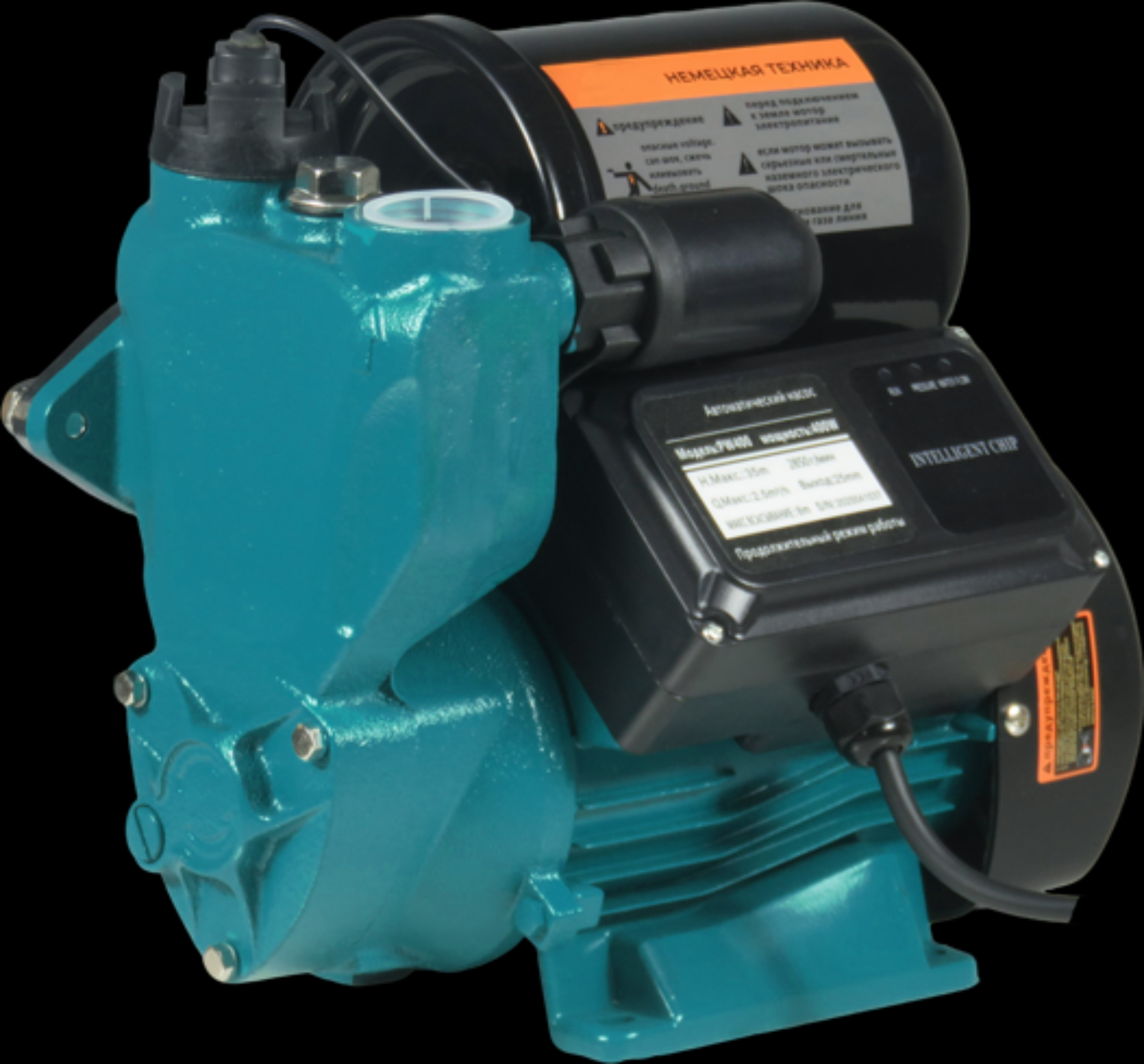
Based on our extensive technical field deployments at Flyaway, selecting the correct hardware for high-pressure washing requires a careful, methodical balance between hydraulic specifications and actual job-site conditions. When technicians configure a cleaning water pressure pump for residential sanitization or light industrial facility maintenance, we frequently encounter issues like insufficient impact force and erratic flow rates caused by mismatched motor ratings or poor pressure pump selection. Drawing from our hands-on installation experience, choosing a dependable water pump ensures that your pressure washers and sanitization units maintain stable output without facing unexpected pressure drops during peak working hours. Furthermore, understanding the nuances of proper pressure pump selection allows system operators to integrate any standard water pump seamlessly into complex cleaning environments. Every cleaning water pressure pump installed under professional engineering guidelines delivers superior performance and long-term durability across daily maintenance tasks. Reviewing past field projects confirms that selecting an optimal water pump makes all the difference in overall cleaning efficiency while supporting every water pump installation.
To ensure long-term operational stability and structural integrity, evaluating the exact mechanical build and specifications of your cleaning water pressure pump is critical. Standard surface units feature robust gray cast iron pump bodies and reinforced supports that provide rigid mounting bases and guard against oxidation and wear. Within these mechanical assemblies, motor housings constructed from lightweight aluminum alloy enclose precision-engineered components paired with high-quality brass impellers designed to maintain optimal hydraulic efficiency under continuous loads. Technical datasheets for compact domestic and semi-professional models indicate power outputs ranging from 0.1 kW (0.13 HP) up to 0.75 kW, delivering maximum heads between 21 meters and 50 meters, and maximum flow rates from 1.5 cubic meters per hour to 3.0 cubic meters per hour. Evaluating these technical metrics during the pressure pump selection phase ensures that every installed water pump performs efficiently. Proper evaluation of any cleaning water pressure pump guarantees that operators avoid costly configuration errors and achieve optimal results. Selecting the right water pump requires careful attention to detail across every water pump unit.
When executing a precise pressure pump selection, determining exact hydraulic performance parameters is the critical first step in comprehensive plumbing and system design. Underestimating total dynamic head often leads to insufficient cleaning power at the discharge nozzle, fluid cavitation, and severe operational bottlenecks across the entire cleaning network. Every selected water pump must match your system's specific flow rate and vertical lift, while operating safely under an IP44 protection rating and Class B insulation standards. Furthermore, incorporating a built-in thermal overload protector ensures continuous S1 duty safety by automatically interrupting power if dangerous temperature thresholds are breached. Examining various cleaning water pressure pump applications highlights why accurate head and flow matching remains vital. Integrating a properly sized water pump into these networks prevents cavitation, and mastering pressure pump selection secures long-term stability for every deployed water pump.
The choice of construction materials directly impacts how well a cleaning water pressure pump resists wear, corrosion, and mechanical stress throughout its extended service life. According to strict manufacturing quality guidelines, utilizing corrosion-resistant cast iron and high-grade mechanical seals prevents internal degradation and fluid leakage. Our field maintenance evaluations show that units equipped with robust housing materials and high-grade impellers experience considerably fewer operational failures over years of continuous service. Prioritizing correct pressure pump selection safeguards your equipment investment against mineral buildup, cavitation, and external weathering. Ensuring that every deployed water pump operates smoothly relies heavily on choosing a high-quality water pump built to withstand harsh operating environments and rigorous daily utilization.
Even the most robust and technologically advanced cleaning water pressure pump requires routine inspection, proactive care, and scheduled maintenance to sustain peak performance levels over its complete operational lifecycle. Simple preventive measures—such as checking electrical sensor connections, inspecting non-return check valves, monitoring inverter error codes, and testing pressure expansion tanks—can preemptively avert costly system downtime and premature component failure. Reviewing professional pressure pump selection criteria across different sectors further emphasizes the importance of structured maintenance routines. By following these professional engineering guidelines, operators can achieve stable hydraulic performance and extend the working lifespan of every deployed water pump. Maintaining your cleaning water pressure pump correctly ensures ongoing reliability, proving why careful pressure pump selection is the cornerstone of successful fluid management and long-term facility maintenance.
In conclusion, mastering the fundamentals of proper pressure pump selection is essential for anyone looking to invest in reliable fluid transfer equipment. Whether you are managing residential sanitation or industrial maintenance, a well-chosen cleaning water pressure pump guarantees sustained operational excellence. Flyaway remains committed to providing top-tier solutions, ensuring that every water pump meets rigorous global standards. By thoroughly evaluating technical specifications and committing to routine upkeep, your water pump will deliver exceptional performance for years to come.

2026/10/17
Discover what a water pump is used for across homes, farms, and sites. Learn how Flyaway provides durable manufacturing and supply solutions.

2026/10/17
Discover why knowing the correct pump size protects budgets and ensures system efficiency. Learn sizing steps and Flyaway pump solutions.

2026/10/17
Discover how to choose the right farm water pump. Learn about head, flow, solar options, and reliable pump solutions by Flyaway.

2026/10/17
Discover how a small self priming water pump can simplify home water transfer, plus key installation and sizing checks.

2026/10/17
Learn how to choose a booster pump by evaluating flow, head, curves, and controls. Discover reliable pump solutions built by Flyaway.

2026/10/17
Learn the core benefits of a self priming well pump for shallow wells. Discover selection tips, operation limits, and how Flyaway delivers quality pumps.
