
 EN
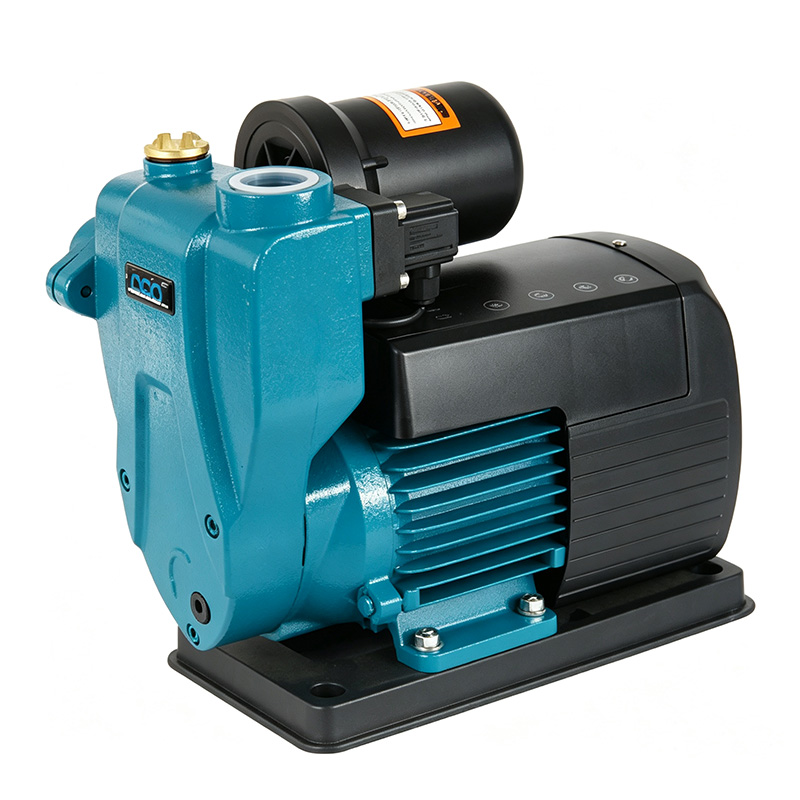
Ultimate Guide to Hot Water Circulation Pump Systems: Installation and Maintenance
When you turn on the shower in the morning, waiting several minutes for warm water to arrive is more than just a minor inconvenience. It wastes gallons of water down the drain every single week. A hot water circulation pump solves this problem by keeping heated water moving close to your taps and fixtures. However, dropping a pump into your plumbing without proper planning can lead to noisy pipes, wasted electricity, and unnecessary heat loss. Successful installation requires careful attention to the return path, proper flow direction, pipe insulation, and smart control strategies.
Understanding How Recirculation Systems Work
In a traditional plumbing setup, water inside the hot-water supply line cools down between uses. Whenever you turn on a faucet, that cooled water must be pushed out before the heated water finally reaches the fixture. A recirculation loop eliminates this delay entirely.
There are two primary installation designs:
-
Dedicated Return Lines: A separate dedicated pipe runs from the furthest fixture back to the water heater, completing a closed loop.
-
Retrofit Systems: Homes without a dedicated return line often use a specialized crossover valve installed near the most distant fixture. This valve pushes cooled water back through the cold-water line during a controlled recirculation cycle.
The main goal is convenience paired with energy efficiency. Running a water heater pump continuously all day can cause massive standby heat loss through the pipes and drive up your electricity bill. Modern systems utilize demand controls, timers, or sensors so the equipment operates only when needed.
Checking Plumbing Compatibility Before Buying
Before purchasing any pumping hardware, you must trace your home's hot water route from the water heater to the furthest bathroom or kitchen sink. Confirm whether your layout features a dedicated return line, locate available electrical outlets nearby, and check if existing isolation valves are present.
You also need to measure or estimate system requirements based on pipe specifications:
| Parameter | Description & Consideration |
| Total Pipe Length & Diameter | Determines friction loss and overall flow requirements across the loop. |
| Pipe Branches & Elbows | Increases total dynamic head; complex layouts require careful pump selection. |
| Static Head Pressure | Must match the pump performance curve to ensure proper water circulation. |
Choosing an oversized unit often creates annoying pipe noise and excessive energy consumption. Conversely, an undersized hot water circulation pump fails to clear the loop effectively, leaving you waiting just as long for hot water. Furthermore, review your water heater type. Tankless units, traditional tank heaters, heat-pump systems, and solar-supported setups often have specific recirculation limits. Consulting a licensed plumber helps ensure complete system compatibility and adherence to local plumbing codes.
Selecting the Right Control Strategy
Running a pump continuously is rarely a smart idea. Selecting the appropriate control mechanism helps balance instant hot water availability with sensible energy conservation.
Timer Control
Timers establish predictable operating windows, such as early mornings and evenings when family activity peaks. This approach suits households with highly consistent daily routines. Start with relatively short operational windows and expand them only if delivery times prove inadequate. Avoid leaving timers running overnight or during extended vacations.
Demand and Sensor Control
Demand-controlled setups activate only when someone triggers a remote switch, pushes a button, or when a sensor detects impending water usage. This method drastically reduces pump runtime and standby pipe heat loss, making it ideal for households with irregular schedules.
Thermostatic Control
Thermostatic controls manage operation based on exact water temperatures within the loop. While effective, they must be calibrated carefully to maintain user comfort without keeping the entire piping network continuously overheated.
Proper Installation and Commissioning Steps
Correct mechanical and electrical installation protects your investment and prevents costly leaks during operation.
-
Check Flow Direction: The directional arrow stamped onto the body of any water heater pump must point toward the intended water flow path.
-
Install Isolation Valves: Always place shutoff valves on both sides of the pump so maintenance workers can service the unit without draining the entire household plumbing network.
-
Position Check Valves: Use appropriate check valves to prevent unwanted backward flow or thermal bypassing.
-
Insulate Piping: Insulating both hot-water supply lines and return lines significantly reduces standby heat loss while the recirculation loop remains active.
-
Protect Electrical Connections: Ensure all wiring meets local electrical codes, features proper grounding, and remains safe from moisture.
Once everything is assembled, open the isolation valves and ensure the system is completely full of water before powering on the hardware. Inspect all unions and threaded connections for leaks, and listen closely for rattling noises or trapped air pockets.
Avoiding Common Recirculation Mistakes
Many DIYers and inexperienced installers run into avoidable pitfalls when setting up circulation networks. Watch out for these frequent errors:
-
Operating the pump continuously without evaluating standby thermal losses.
-
Installing the hot water circulation pump backward or failing to include service shutoff valves.
-
Using inflexible timer schedules that fail to match actual occupancy patterns.
-
Ignoring unusual noises, warm cold-water taps, or minor post-installation leaks.
Industry Supply and Wholesale Sourcing
For contractors, wholesale buyers, and commercial installers sourcing reliable plumbing hardware, pre-planning is essential. Verifying electrical voltage, frequency, connection sizes, and duty cycles prevents installation delays. Manufacturers like Flyaway provide comprehensive technical support and engineering consultations to help match specific flow rates, head pressure curves, and site operating conditions with the right pump equipment, ensuring long-term reliability for residential and commercial projects.






