
 EN
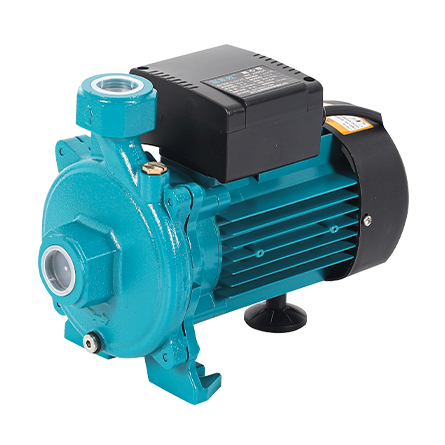
Understanding Stainless Steel Centrifugal Pumps and Their Core Industrial Applications
In my extensive years of hands-on engineering experience working directly with industrial fluid transfer systems at Flyaway, selecting the optimal pump material is paramount to achieving long-term operational longevity and structural integrity. Stainless steel centrifugal pumps are meticulously engineered and manufactured to handle highly corrosive chemicals, purified process water, and diverse industrial fluids with remarkable mechanical efficiency. Unlike traditional cast iron alternatives that degrade rapidly when exposed to aggressive chemical agents, high-grade austenitic and martensitic stainless steel naturally resists rust, pitting, and chemical breakdown, making it an indispensable asset for facilities that demand strict sanitary conditions and superior corrosion resistance. When process engineers evaluate these heavy-duty systems, they closely analyze how a centrifugal pump mechanism utilizes a rotating impeller to impart high velocity to the incoming liquid, effectively converting kinetic energy into stable discharge pressure. At Flyaway, we consistently emphasize precise practical application matching, guaranteeing that every stainless steel centrifugal pump specified for a client aligns perfectly with the exact chemical compatibility parameters, temperature limits, and viscosity requirements of the project. Furthermore, every Flyaway installation undergoes rigorous quality assurance testing to verify that the stainless steel centrifugal pump performs reliably under harsh, continuous-duty operating conditions, thereby preventing unexpected mechanical failures, minimizing fluid contamination, and eliminating costly structural wear across your entire facility.
Calculating Total Dynamic Head and Optimizing System Performance
One of the most frequent technical challenges that installation technicians and plant operators face in the field is accurately determining complex system requirements, particularly regarding total dynamic head. Total dynamic head represents the true equivalent height that a given liquid must be pumped, meticulously taking into account static elevation differences, friction losses across straight piping runs, and pressure drops through various valves, elbows, and system fittings. To ensure optimal hydraulic efficiency and prevent operational strain, operators must cross-reference these critical calculations directly with the official pump performance curve provided by the manufacturer. This detailed graphical representation accurately illustrates how the pump flow rate varies relative to head pressure, allowing our specialist team at Flyaway to guide plant managers away from operating pumps at the extreme left or right boundaries of their curves, which can trigger severe internal cavitation, excessive vibration, and premature mechanical seal failure. By carefully analyzing the comprehensive pump performance curve alongside the accurately calculated total dynamic head, engineers can select a balanced motor horsepower and impeller diameter combination that operates precisely at its Best Efficiency Point, drastically reducing long-term energy consumption, lowering electrical utility costs, and minimizing mechanical wear on internal components across all Flyaway fluid handling systems.
Mastering Suction Lift Mechanics and Net Positive Suction Head
Properly managing suction lift parameters is fundamentally critical for maintaining consistent fluid delivery, preventing destructive dry running, and protecting system assets. Suction lift refers to the precise vertical distance measured from the source liquid level up to the centerline of the pump suction inlet when the liquid source is positioned below the pump elevation. If your industrial application involves a below-ground liquid source where priming is inherently difficult, integrating a specialized self priming centrifugal water pump can dramatically simplify daily operations by automatically evacuating trapped air from the suction line and establishing a reliable prime without requiring manual foot valves. According to authoritative hydraulic engineering standards published by the Hydraulic Institute, maintaining an adequate Net Positive Suction Head Available above the Net Positive Suction Head Required is essential to avoid vapor bubble formation and subsequent cavitation damage. At Flyaway, our certified field technicians always perform thorough suction parameter evaluations during initial site assessments to eliminate potential vapor locks and ensure smooth, uninterrupted fluid movement. When a high-efficiency self priming centrifugal water pump is properly deployed, understanding its exact suction lift limitations prevents frustrating priming failures and guarantees that the system handles fluctuating fluid levels efficiently, maintaining stable pressure and consistent flow rates across the entire Flyaway operational layout.
Practical Engineering Insights Derived From Real-World Field Installations
Real-world operational data gathered from numerous industrial deployments highlights a vital truth: even the highest quality stainless steel centrifugal pump can severely underperform if it is improperly installed, misaligned, or poorly maintained. In practical field cases managed directly by Flyaway engineers, common operational issues frequently stem from misaligned external piping loads being placed directly onto the pump suction and discharge flanges, which physically distorts the outer casing and damages internal running clearances. Additionally, implementing continuous digital monitoring of motor current draw, vibration frequencies, and bearing housing temperature provides invaluable early warning signs of mechanical wear long before any catastrophic equipment failure occurs. By seamlessly combining empirical data compiled from our extensive installation logs with established industry best practices, we actively assist plant managers in implementing robust, proactive preventive maintenance schedules that extend overall equipment lifecycles and significantly reduce unexpected downtime in demanding processing plants. Every Flyaway deployment undergoes a thorough post-installation engineering review to ensure that the measured total dynamic head matches theoretical field readings and that suction lift variables remain comfortably within safe operational margins, safeguarding the durability of the stainless steel centrifugal pump.
Selecting, Maintaining, and Maximizing Your Flyaway Pumping Solution
Choosing the ideal industrial pumping system requires a comprehensive, balanced evaluation of daily flow requirements, required head pressures, material grade specifications, and surrounding environmental conditions. At Flyaway, we pride ourselves on delivering transparent, highly accurate technical guidance and robust equipment tailored precisely to your unique industrial requirements. Whether you are currently upgrading an existing fluid transfer pipeline or designing a brand-new processing facility from the ground up, investing time in precise engineering calculations—such as accurately evaluating your operating point on the pump performance curve and meticulously verifying suction lift constraints—pays substantial dividends in long-term energy savings and operational safety. We warmly invite you to reach out to our dedicated engineering team at Flyaway today to discuss your specific project requirements in detail and discover how our advanced stainless steel centrifugal pump solutions, including our specialized self priming centrifugal water pump models, can successfully optimize your industrial fluid management processes and deliver unmatched reliability for years to come.






