
 EN
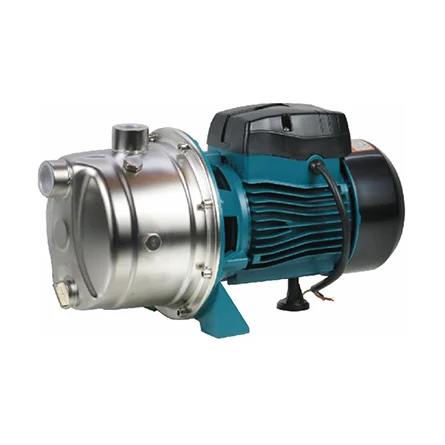
Starting Your Search by Defining Application and Water Source
Choosing the right equipment for fluid movement is far simpler when decisions begin with the actual job rather than flipping through a thick product catalogue. Whether you act as a regional distributor or a project procurement buyer, answering quick customer inquiries demands a structured approach. The most accurate recommendation always stems from core operating details: where the water starts, its final destination, required volumes, and fluid composition.
A reliable water pump must match the system’s genuine duty point rather than simply offering the highest flow figure or the biggest motor on the shelf. A model that looks generous on paper will frequently underperform if pipe friction losses, suction challenges, or water quality are overlooked. Defining the exact application sets the proper direction. Is the equipment filling a storage tank, transferring clean fluid, feeding agricultural irrigation lines, boosting residential pressure, draining a flooded pit, or lifting water from a deep well? Each scenario demands a completely different pump category. Centrifugal designs excel in standard transfer and irrigation, submersibles handle wells and drainage smoothly, and self-serving options suit surface-water setups.
Liquid quality matters just as much as mechanical type. Clean water, sandy canal water, mineral-dense groundwater, and chemical-laden liquids place vastly different demands on a water pump. Solid debris erodes impellers rapidly, corrosive environments degrade internal seals and wetted materials, and extreme temperatures impact motor longevity. Specifying worst-case seasonal conditions prevents premature failure.
Calculating Required Flow Rate for Precise Performance
Flow rate measures the exact volume a water pump must deliver within a specified timeframe. For agricultural irrigation, calculations start with individual zone demands and the number of zones operating simultaneously. For a tank-fill operation, dividing total storage volume by the desired fill time yields the baseline. In booster system designs, peak demand governs the calculation rather than an average figure that masks short, high-demand intervals.
Professional inquiries should always specify preferred volumetric units, such as liters per minute, cubic meters per hour, or gallons per minute, while clarifying whether operation remains continuous or intermittent. Selecting a water pump for a flow far exceeding actual demand unnecessarily drives up energy consumption and complicates system control. Conversely, sizing below real demand leaves downstream outlets, sprinklers, or industrial processes starved of liquid.
Analyzing Total Dynamic Head and Friction Losses
Head calculations represent the stage where poor equipment selections often derail. Static lift represents only the vertical distance between the source level and the final delivery point. True system performance relies on total dynamic head, which incorporates friction losses generated by pipe lengths, bends, check valves, filters, and fittings, alongside any required delivery pressure.
Friction losses increase exponentially as flow rises, meaning pipe sizing significantly shifts performance. A narrow pipe, an extended run, or a restrictive filter can drag the operating point far below expectations. Gathering exact pipe diameters, material types, approximate lengths, elevation shifts, and required outlet pressure is essential before finalizing any water pump order.
Matching Pump Curves to Real System Curves
A manufacturer performance curve illustrates the head a specific water pump can generate across varying flow rates. Meanwhile, the system curve highlights installation resistance as flow changes. The intersection of these two curves defines the actual operating point. Buyers should target models whose expected duty point sits comfortably within the stable, efficient region of the curve rather than pushing extremes. Technical suppliers can evaluate these curves effectively when comprehensive duty details are provided.
Surface-mounted installations demand careful attention to suction conditions. Excessive suction lift, undersized suction lines, air leaks, blocked strainers, or faulty foot valves can prevent a water pump from priming properly or trigger destructive cavitation. Cavitation generates severe noise, vibration, output loss, and premature component degradation. Keeping suction runs short, well-sealed, and accounting for lowest seasonal water levels guarantees steady operation.
Aligning Power Supplies and Control Systems
Hydraulic performance means little if the motor and electrical supply do not match on-site conditions. Confirming single-phase versus three-phase power, exact operating voltages, frequencies, and grid stability prevents startup failures. In remote agricultural or rural regions, voltage fluctuations and long cable runs require careful engineering attention.
Control strategies also dictate operational longevity. Whether utilizing float switches, pressure controllers, timers, or variable-frequency drives, the control method must suit the duty cycle. Excessive cycling places heavy thermal stress on a water pump motor, whereas pressure tanks or smart controllers optimize booster station performance.
Selecting Durable Materials and Long-Term Support
Body materials should never be treated as cosmetic choices. Selecting a water pump requires evaluating fluid chemistry, outdoor exposure, and maintenance accessibility. Impellers, casings, and mechanical seals must withstand abrasives or minerals present in the fluid. For B2B procurement, lifecycle efficiency, spare-parts availability, and solid packaging matter just as much as upfront pricing.
Key Checklist Items Before Requesting a Quotation
Bringing all operational parameters together streamlines procurement:
-
Application type: transfer, irrigation, boosting, drainage, or well supply.
-
Required flow rate and operational cycle nature.
-
Total dynamic head, including elevation, pipe runs, and fittings.
-
Water source quality, suspended solids, and temperature.
-
Suction arrangements and lowest anticipated water levels.
-
Electrical supply: voltage, phase, frequency, and grid stability.
-
Control methods, environmental conditions, and spare-parts planning.
Sourcing Reliable Fluid Management Solutions
Making a final purchase decision requires anchoring choices in verified operational data rather than relying solely on horsepower ratings or port sizes. Comparing curves, construction materials, motor power supplies, and maintenance plans as an integrated system guarantees success. Flyaway delivers advanced manufacturing capabilities, rigorous quality control protocols, and comprehensive supply chain services to support B2B pre-sales discussions, helping international distributors and contractors configure the ideal water pump for their regional markets.






